

Quick answer
Improve membership platform email deliverability by tracing the first failed stage, from account event to usable message. Keep the current service if it supports owned-domain authentication, explicit transactional and broadcast routing, visible failures and synchronized suppressions. Repair application and DNS faults first; commission integration or replacement when a required capability remains unavailable. Release on completed member journeys, not a sent label.
Membership platform email deliverability starts before the inbox
A fan cannot verify an account, yet the platform says the email was sent. That label leaves the useful question unanswered: did the application submit the message, did the receiving server accept it, and could the fan finish verification? Fix the first demonstrated failure before buying a different sending service.
Submission, receiver acceptance, inbox arrival and task completion differ. Accepted mail can enter spam; an inbox message can carry an expired link. Test delivery evidence and the member journey together.
Retain the service when it supports domain authentication, explicit critical/broadcast routing, visible failures and synchronized exclusions, and repaired journeys pass. Commission integration or replacement if a required capability remains unavailable after application and DNS repairs. Name an email owner to coordinate development, DNS and support.
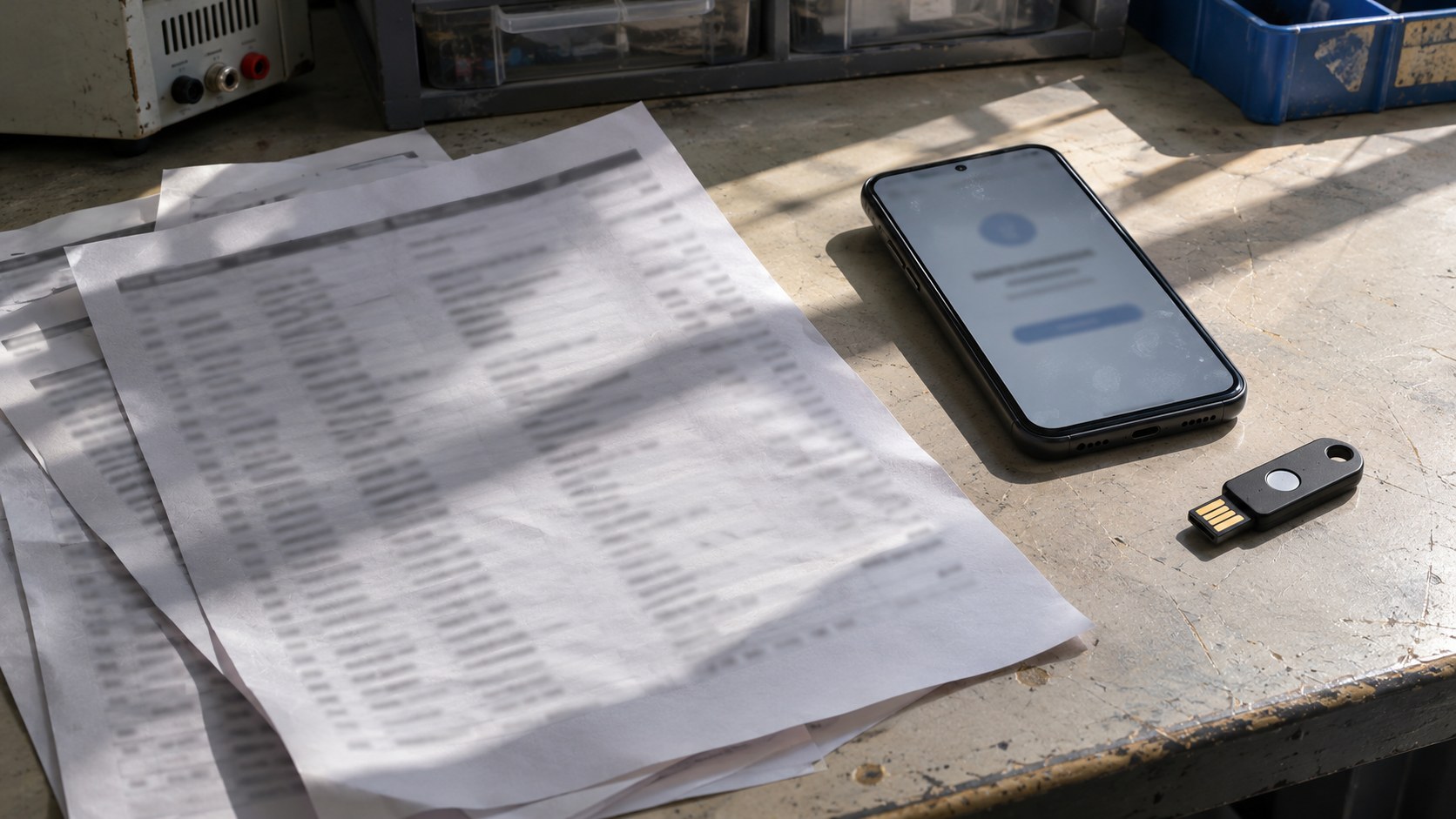
Trace the failure, then repair identity and routing
Follow the delivery path in order. The sequence below assigns each observation a repair and a proof of recovery. It prevents a queue fault from becoming a DNS project, or a broken verification link from becoming an expensive provider migration.
| Observed condition and evidence | Likely failing stage | Responsible owner | Repair or containment | Proof of recovery |
|---|---|---|---|---|
| No event or queued job after controlled signup | Application event creation | Developer | Repair the signup trigger | Repeat signup creates the intended job |
| Job waits; no provider acceptance or submission error is visible | Queue or provider submission | Developer | Inspect errors and routing; reserve critical capacity | Provider accepts critical mail during broadcast load |
| Received authentication results fail | Sending identity | DNS administrator and service owner | Repair supplied domain records; hold affected route | Received messages pass expected authentication |
| Receiver response shows deferral or rejection | Receiver acceptance | Email operations owner | Inspect response; reduce affected traffic and repair its cause | Responses recover at reduced traffic |
| Provider accepted mail; controlled recipient finds it in spam | Placement or reputation | Email operations owner | Inspect consent, identity, reputation and recent changes | Controlled placement and member reports improve; continue monitoring |
| Provider has a bounce or unsubscribe; application still permits sending | Suppression synchronization | Developer | Pause broadcasts and reconcile exclusions | Next ineligible job stops before submission |
| Received verification or billing link fails | Member journey | Developer with support | Repair destination, access or expiry behavior | Creator and fan complete the intended task |
On a hosted site, request controlled creator and fan traces from the vendor: event creation, queue and submission times, provider acceptance, receiver response and recipient outcome. Keep message references and failure reasons together. Collect volumes by route and recipient provider, consent records, recent changes and the DNS owner. Support must complete verification and open the billing destination.
Illustrative example: assume 200 verification or billing messages and 800 subscribed updates daily, using Postmark after confirming service eligibility. These are platform totals, not personal-Gmail volumes. An owner considering replacement finds the fan verification queued behind a campaign and alerts using the transactional default. Both observations point to application repairs.
Use SPF, DKIM and DMARC on an owned domain. SPF authorizes sending infrastructure; DKIM supplies a verifiable domain signature. DMARC checks alignment of the visible From domain with passing SPF or DKIM and publishes a failure policy. Google requires SPF or DKIM for personal-Gmail senders; above 5,000 messages daily to personal Gmail, it requires both, DMARC and alignment. Have the service demonstrate TLS encryption and valid forward/reverse DNS.
In Postmark's Sender Signatures, open the domain's DNS Settings and give the DNS administrator the displayed DKIM TXT and custom Return-Path CNAME records. The Return-Path handles bounce feedback and supports SPF alignment. Copy the exact names and values for the actual domain without replacing unrelated records. Postmark allows up to 48 hours for verification and provides a Verify check. Start DMARC with a p=none monitoring policy and arrange reports to an owned destination. Inventory legitimate senders before stricter enforcement.
Route verification and account-service billing through transactional delivery; route subscribed alerts and promotional lifecycle campaigns through broadcast. Classify other lifecycle messages by purpose and trigger. Separate reporting and preferably sending subdomains. In Postmark, select MessageStream explicitly for nondefault routes: omission uses the original transactional default. Reject broadcast jobs missing their route. Other services need equivalent behavior.
The developer makes routing explicit and reserves critical processing capacity. Assume the operator controls tx.example.com and updates.example.com and publishes their provider-supplied records. Inspect received SPF, DKIM and DMARC results and From identity on both routes; hold failures. Subdomains cannot guarantee reputation isolation, and provider separation cannot fix a congested application queue.
Test one-click unsubscribe and a visible body link on subscribed mail: Google requires both for personal-Gmail bulk marketing and subscribed messages. Stream labels do not establish legal exemptions. The creator onboarding workflow helps when verification works but the creator cannot complete the wider account-opening process.

Make recipient failures change the next send
A bounce event is useful only when it changes eligibility for the next message. Keep an application suppression ledger alongside provider exclusions, recording recipient, reason, source, stream and time. Check it before every submission so a queued job cannot outlive the recipient's permission or a known address failure.
Use this proposed operational policy: a hard bounce blocks the address across routes until support verifies a correction; a spam complaint stops further campaigns, with no automatic rerouting around the block. An unsubscribe stops the relevant subscribed mail while a separately justified account-service message can remain eligible. These are deliberately different scopes. Postmark suppressions are stream-specific, so an address-wide hard-bounce rule requires application coordination. A paying member is still capable of having an invalid address; payment must never clear the block.
Preserve subscription intent separately: Postmark can label an unsubscribe ManualSuppression, which does not describe the alerts declined. Capture preferences at their source and synchronize suppression events from each route. Provider reactivation does not establish renewed permission. Duplicate or delayed events must not undo a newer recipient choice.
During the example's next controlled update, the same fan unsubscribes from creator alerts. Use a confirmation such as: You have unsubscribed from creator alerts. Account-service messages remain separate. The application records that preference and blocks the next alert job before submission; a separately justified billing message remains eligible. Test both outcomes. If that address instead hard-bounces, the proposed address-wide rule stops both routes, even if the provider has suppressed only the stream that encountered the failure.
As a hypothetical local policy, allow three retries after 1, 5 and 15 minutes for temporary failures, stopping on expiry or permanent failure. Adapt to receiver responses and avoid duplicating provider retries. Preserve the message purpose: an expired verification link has no delivery value, and recovery should not generate competing links.
Keep billing information in the authenticated platform and show an address notice where possible. Support verifies corrections before a fresh verification attempt; changing streams is no substitute. The creator platform customer support guide helps assign correction and escalation ownership without restoring declined subscriptions.

Release on member outcomes and monitor the recovery
Diagnose first, repair identity and routing, synchronize exclusions, then run controlled journeys and failure tests. The developer supplies the evidence; the platform owner authorizes release. A missing suppression control or failed critical journey blocks release even when the provider accepts messages.
Review critical queue age, submission errors, authentication, receiver responses, hard bounces and suppression health daily by stream and recipient provider. Hypothetical local targets: alert above two minutes of verification queue age, require verification within five minutes during broadcast load, and pause broadcasts if suppression processing stops. Choose targets before testing; they are not vendor guarantees.
Google recommends keeping the personal-Gmail spam rate reported in Postmaster Tools below 0.10% and avoiding 0.30% or higher. Under the example's proposed policy, investigate at 0.10% and pause affected broadcasts at 0.30%. Read that metric from Postmaster Tools; dividing complaints by all platform sends produces a different measure. On a small list, inspect individual complaints and support reports too. Missing data means unknown, not a clean bill of health.
Yahoo complaint reporting requires DKIM signing and domain enrollment in its Complaint Feedback Loop. Confirm who collects reports; absent data is unknown. Shared-IP activity affects reputation, and sudden volume increases can trigger limits. Reduce affected traffic when deferrals or bounces rise, inspect responses and increase gradually after recovery. Never rotate domains to bypass exclusions.
- Run controlled creator and fan verification, then open the intended billing destination. Check sender identity, usable links, received authentication and correct route in provider activity.
- During the expected broadcast workload, complete the fan's verification within the hypothetical five-minute target. Confirm that unsubscribing blocks the next alert while an eligible billing message can still proceed.
- For Postmark, use HardBounce@bounce-testing.postmarkapp.com and SoftBounce@bounce-testing.postmarkapp.com. Inspect activity, event receipt and subsequent eligibility. The hard-bounce test must block another application submission; temporary-failure handling must stop at the local limit or expiry.
- Test complaint handling with a clearly labeled synthetic application event. Postmark's bounce addresses do not simulate complaints or prove live complaint collection. Confirm the provider's complaint-event configuration separately.
- Check verification results for every required webhook event and inspect stored application state. A successful HTTP response alone does not prove all events passed or that the application applied them. Duplicate events must preserve a consistent suppression.
After an event outage, pause broadcasts, repair and reverify required events, then reconcile provider suppressions with the application. Postmark can pause persistently failing event delivery; silence merits investigation. Expected illustrative outcome: verification completes during broadcasts and a hard bounce blocks the next submission. Those passing checks justify retaining the service.
If a required control remains unavailable, specify it in the integration brief and compare identical consented test journeys. Carry suppressions and preferences into migration before sending. Start broadcasts with an engaged segment and ramp gradually, watching receiver responses. The creator platform migration checklist covers the wider move; preserve a reversible email traffic ramp.

Bring the acceptance checks to a hosted-platform demonstration
For a hosted creator platform, turn this runbook into a demonstration request. Ask for the verification and billing journeys plus evidence of owned-domain authentication, explicit routing and recipient suppression. The useful result is a documented fit or an integration gap, not a promise that email is included.
Use your actual content category, recipient mix, domain ownership and workload in the request. Assign application, DNS, event-recovery and address-correction owners. Accept equivalent demonstrated controls, and document missing evidence before committing live traffic.
Bring the runbook to Scrile Connect
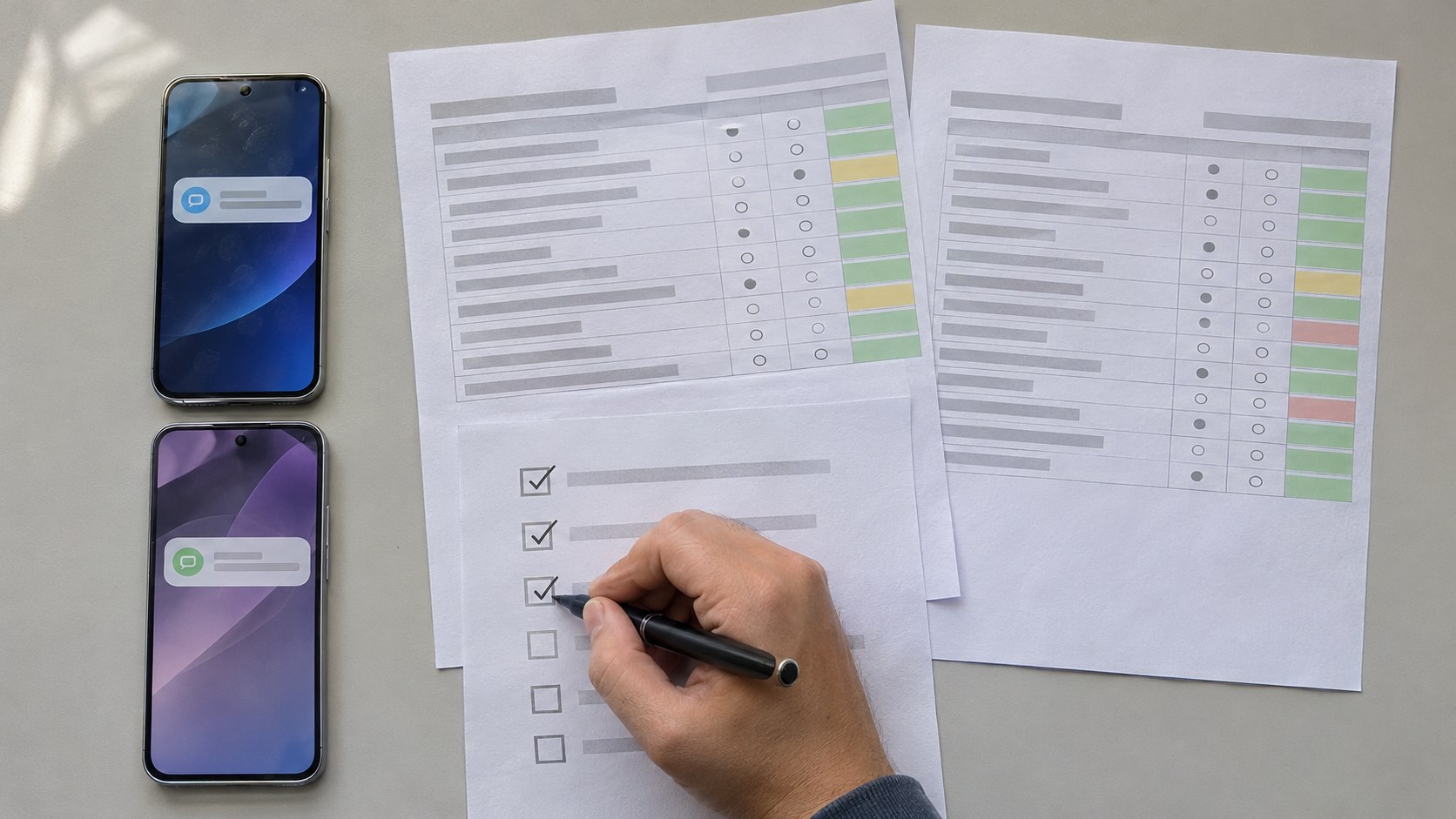
Scrile Connect is hosted, white-label software for branded creator and paid-content platforms, with subscriptions, messaging and creator payout management. Open Scrile Connect and use its contact route to request a demonstration of verification and billing journeys, domain authentication, transactional/broadcast routing and suppression handling. Ask for a documented fit or integration gap against these acceptance checks; confirm email controls and provider compatibility during that demonstration.
Frequently asked questions
Does a delivered status mean the fan saw the email?
No. It can establish receiver acceptance, not inbox arrival or task completion. Confirm receipt and complete the intended verification or billing journey on controlled accounts.
Should a small hosted site change providers first?
Request a creator and fan trace first. Change or integrate when a required control is unavailable after application and DNS faults are addressed.
Does publishing DMARC finish authentication testing?
No. Inspect authentication on received mail from each route and inventory legitimate senders before tightening enforcement.
Are all lifecycle emails transactional?
No. Classify by purpose and trigger. Promotional lifecycle campaigns belong on broadcast; account-service messages need their appropriate critical route.
Can an unsubscribed fan still receive a billing message?
Under the proposed operational policy, a separately justified account-service message can remain eligible. A hard-bounced address is blocked across routes until a correction is verified.
Does a blank complaint dashboard mean there are no complaints?
No. Data may be unavailable or collection may be broken. Check reporting configuration, event health and member reports before treating silence as success.
Do bounce-test addresses prove inbox placement?
No. They test bounce handling and application consequences. They do not establish production placement or live spam-complaint collection.
Does Scrile Connect include the email controls described here?
Request a demonstration of those controls and member journeys. Its creator-platform offering alone does not establish native email routing, suppression handling or a Postmark integration.

Builds SaaS platforms for content creators, agencies, and entrepreneurs. Writes about the business mechanics behind creator-economy products and how custom software actually ships.