
Quick answer
Use this custom software handover checklist to approve operational control, not just delivered code. Require assets and permissions, a receiver-led build and deployment, a working customer journey and recovery path, and named support ownership. Accept fully when those gates pass; accept a bounded nonblocking defect conditionally; phase defined duties with an available supplier or defer takeover while critical dependencies remain unresolved.
Accept the handover when the receiver can run the service
The developer can demonstrate a working portal while remaining the only person who can release a change or restore its bookings. When moving to an internal team or replacement partner, approve operational handover only after the receiver demonstrates those abilities with its own access.
Scope the live customer workflow, environments, retained data, supported devices, service hours and recovery requirements. Name the outgoing delivery owner, receiving technical lead and business approver: the supplier delivers and corrects; the receiver demonstrates control; the owner approves customer outcomes.
Use four gates: assets and permissions received; receiver-led build and deployment passed; customer journey and recovery demonstrated; operating responsibilities and defects accepted. This proposed approach separates file delivery, account administration and operational acceptance. None establishes intellectual-property ownership or changes payment obligations.
Grant full acceptance when the gates pass and service coverage is available. Accept a nonblocking defect conditionally with an approved workaround and dated correction obligation. Phase takeover only with an available supplier retaining specified duties. Defer when critical access, recovery or response is missing.

Custom software handover checklist: the acceptance register
Use a register that pairs each delivered item with a receiving-team test and a decision. Receipt is evidence of delivery; a passing exercise is evidence that responsibility can move. Keep unresolved actions and accepted exceptions in the same register so they survive sign-off.
Copy the table into a spreadsheet; duplicate rows for separate assets and replace roles with names. The supplier enters delivery evidence; the receiver records observed results. Use open, passed, blocked or accepted exception with evidence location and test date. Explain nonapplicability explicitly.
| Item or service | Required evidence | Receiver test and observed result | Outgoing / receiving / approver | Decision and evidence | Unresolved action or accepted exception |
|---|---|---|---|---|---|
| Source and release | Repositories, history, branches, tags and running release reference. | Clone under buyer control; match production artifact to delivered source. | Supplier lead / receiver lead / business owner | Open until matched; record evidence location and test date. | Unmatched production blocks; supplier identifies release before takeover. |
| Build and deployment | Runtime versions, lockfiles, package access, pipeline and instructions. | Build fresh and deploy with receiver identity; record result. | Supplier engineer / receiving engineer / business owner | Open until reproduced; attach pipeline run and date. | Missing package or permission blocks; name correction owner and deadline. |
| Architecture and infrastructure | Request-path diagram, environments, DNS, certificates, jobs, configuration and secure state access. | Explain request path; provision an isolated environment using documented method. | Supplier lead / receiver lead / business owner | Open until demonstrated; retain configuration reference and date. | Unrecoverable infrastructure blocks; retain explicit supplier duty if phased. |
| Rights and dependencies | Usage-rights documents, versions, licenses, notices, subscriptions and renewal owners. | Reconcile build and live services with rights evidence; refer unclear terms for qualified review. | Supplier lead / business rights owner / business owner | Open until reconciled; cite documents and review date. | Necessary component without established permission blocks its acceptance. |
| Accounts and integrations | Hosting, domain, identity, messaging and other used accounts; administration, recovery and billing authority. | Demonstrate administration and recovery access; run a representative transaction. | Supplier account owner / buyer account owner / business owner | Open until tested; record account reference, result and date. | Supplier-only critical account blocks; test replacement before retiring it. |
| Credentials and access | Purpose, consumers, owner and secure location of keys, tokens and emergency access. | Create replacement, update consumers, test dependent work, revoke obsolete access. | Supplier engineer / receiver access owner / business owner | Open until dependent tests pass; retain references and date, never values. | Failed job or callback blocks closure; name repair owner and retest date. |
| Data and recovery | Schema, migrations, exports, attachments, backups, retention and deletion duties. | Restore in isolation; check records, attachments, recovery elapsed time and data age. | Supplier data lead / receiving data owner / business owner | Open until targets pass; attach restore evidence and date. | Failed restore or unassigned retention duty blocks; record remediation. |
| Customer behavior and defects | Journeys, roles, supported devices, tests, defect reproductions and workarounds. | Run critical journey and role boundaries; record actual customer result. | Supplier tester / receiver tester / business approver | Open until tested; link results, defect evidence and date. | For exception: impact, workaround, owner, deadline, supplier obligation and approval. |
| Operations and support | Alerts, logs, runbook, rollback, recurring tasks, service hours and escalation contacts. | Handle harmless alert; locate cause and demonstrate recovery escalation. | Supplier support lead / receiver operations lead / business owner | Open until demonstrated; record exercise result and date. | Absent service-hours responder blocks; document available overlap coverage. |
| Transition closure | Training notes, exercises, overlap duties, exceptions and access-removal record. | Complete normal release and scheduled work without undocumented supplier help. | Supplier delivery owner / receiver lead / business owner | Open until reviewed; record decision, evidence and sign-off date. | Retain outstanding obligations and accepted exceptions with approver and deadline. |
Missing evidence stays open; failed critical tests block the affected responsibility. Every accepted exception needs customer impact, workaround, remediation owner, deadline, continuing supplier obligation and business approval. This is not a completion score: an inaccessible booking database outweighs immaculate training notes.
Source control holds code and history, not every service the code calls. GitHub transfers preserve commit information and project material, but collaborators, secrets, webhooks and deploy keys can remain. Check destination permissions, name availability and plan-dependent protections. Review retained access and test receiver-controlled deployment: the source row can pass while deployment remains blocked.
Infrastructure configuration describes how hosting resources are created. If Terraform is already used, receive versioned configuration and controlled access to its state backend, which tracks managed resources. Keep state and credentials outside source control. Prove documented provisioning or recovery; introducing a new tool adds no acceptance evidence.
Test integration administration, recovery access, billing responsibility and a transaction separately. A working API key does not prove account control. Twilio’s within-organization ownership change does not establish cross-company transfer. An unmovable critical account stays blocked until a buyer-controlled replacement passes journey, callback and scheduled-work tests.
A software bill of materials is a dependency inventory, not a permission certificate. GitHub exports its dependency graph in SPDX format with versions and license information. Reconcile it with build manifests and live services; add uncovered commercial components, subscriptions and assets. Assign unclear rights for qualified document review. Necessary components with unresolved permission remain blocked.
Record service credentials’ purpose, consumers, owner and secure location, never values. Create replacements, update consumers, test application requests, jobs, callbacks and emergency access, then revoke obsolete credentials and unnecessary supplier access. Suspected exposure requires containment and prompt revocation of exposed keys. Routine handover does not require blanket customer-password resets.

Prove control with a receiver-led deployment and recovery exercise
Let the receiving team execute the rehearsal while the supplier observes. Every undocumented command, missing permission or manual rescue is a gap to correct and retest. A supplier demonstration tests the supplier’s memory; the handover needs to test the receiver’s independence.
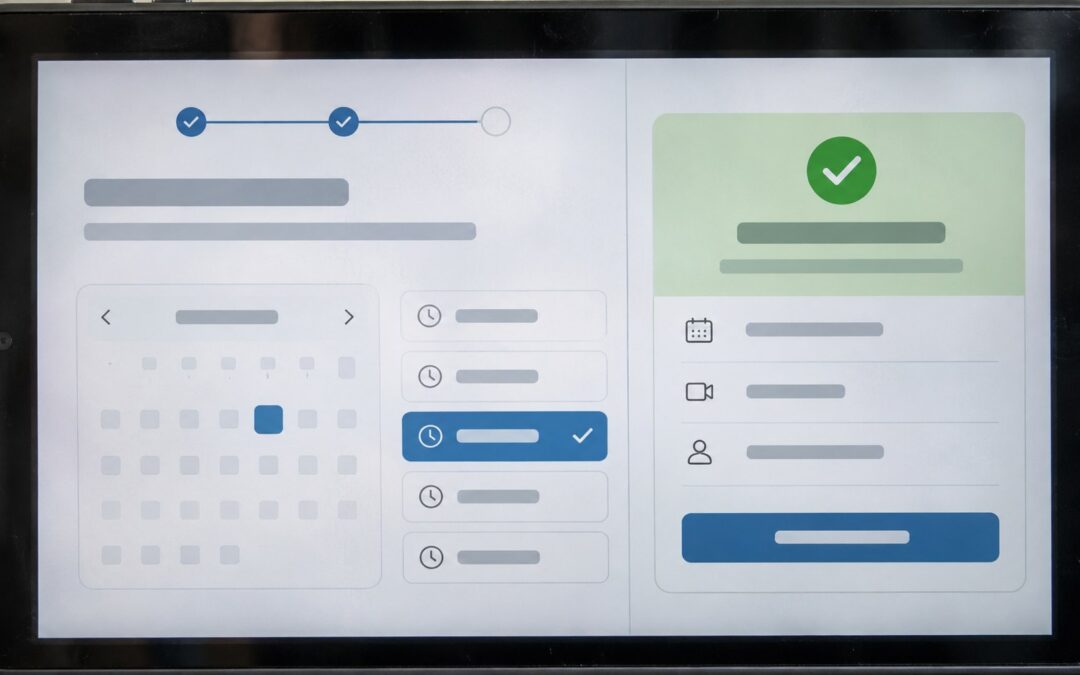
Consider an illustrative tutoring portal moving to a replacement partner. Customers log in, book a slot and receive confirmation; staff retrieve the booking. Assume a receiving engineer, backup engineer and operations approver. Hypothetical business requirements are recovery within two hours and a maximum 24-hour data-loss window, not industry benchmarks. Agree actual service hours and supplier overlap.
The source builds, and the owner is ready to sign. But confirmation messages depend on an account controlled only by the outgoing developer; the receiver cannot administer or recover it. Operational takeover is deferred while the supplier retains agreed production responsibility. “It sends from my account” is diagnosis, not acceptance.
In isolation with synthetic or appropriately protected data, the receiver identifies the live release, obtains source with its own account, builds fresh using recorded versions and lockfiles, and deploys through the intended pipeline. Operations tests the journey on supported phones and computers; the engineer checks callbacks and reminders. The workflow automation testing checklist extends role and failure-case coverage.
Deploy a reversible wording change and return to the previous release. Rollback differs from backup restoration: old code does not undo database changes. Demonstrate the specific compatible rollback or forward-recovery procedure before production work. Record pipeline evidence and supplier interventions, correct the gaps and repeat affected steps.
After buyer-controlled confirmation access and replacement credentials are established, the receiver repeats the journey successfully. In this illustrative rehearsal, restoring a backup takes 90 minutes and recovers data from six hours earlier, meeting the hypothetical two-hour recovery and 24-hour loss limits. Check representative bookings and lesson attachments, not just whether the database starts. Trigger a harmless notification-failure alert; the receiver locates the cause in logs and follows the escalation route without supplier intervention.
Retain release references, pipeline runs, journey results, restore timings and alert evidence. The owner can ask whether the receiver performed each task independently without inspecting commands. Missing attachments, confirmations or supplier-only restarts keep the corresponding row unresolved. Correct and retest the failed exercise.

Sequence takeover and resolve incomplete handovers
Move production responsibility only after the rehearsal passes, then observe representative work before closure. Tie the overlap to a named end date and actual duties. A normal release and the next scheduled task reveal dependencies that a short demonstration can miss.
- Agree scope and named owners, then inventory assets and reconcile the supplier’s evidence against the live service.
- Establish buyer-controlled access, run receiver exercises and resolve blockers before authorizing a production change.
- Before that change, name the authorizer, rollback trigger, recovery executor, customer communication route and available supplier escalation contact.
- Operate through a dated observation period covering the first normal release and representative scheduled work; record each supplier intervention.
- Review acceptance evidence, retain dated exception obligations and remove unnecessary access when the corresponding supplier duties end.
The replacement partner then performs the first routine release, and the next reminder batch completes independently. A display-only calendar defect remains. The owner accepts its impact and workaround: use the booking detail view. The receiving lead tracks correction; the outgoing supplier retains the fix obligation. Assume a correction deadline of 8 December 2026 and recorded business approval: conditional acceptance is justified. If reminders instead need an undocumented supplier restart, pause closure until the receiver repeats that task independently.
Send a notice only for a customer-facing interruption: “We are updating the booking portal during the announced maintenance window. Existing bookings remain valid. If a confirmation is missing, contact our support team.” Agree the actual window and contact route first. Payments and contract closure follow the agreement, not this checklist.
Replacement partners and internal developers face the same gates. Allocate release and incident time plus backup coverage. A nontechnical founder validates customer behavior while a receiving engineer certifies exercises and accepts operating duties. Without service-hours coverage, phase with an available supplier or defer. Documentation cannot manufacture a responder.
If the developer is unavailable, preserve the working service and inventory accessible source, accounts, artifacts, backups and contractual evidence. Classify missing assets, authority, builds, behavior, recovery or staffing. A local build with inaccessible hosting and no current database export stays blocked. Assign remediation and retest; unrecoverable critical dependencies need a scoped recovery, migration or replacement project.
AI-assisted software faces the same tests. Useful generation notes do not replace project files or exercises. Include any live AI service’s account, configuration, credentials and failure behavior. Defer optional features, redesign and comprehensive documentation rewriting unless independent operation requires them.
Use workflow automation monitoring when diagnosis or alert routing needs refinement. The custom software change request process separates new functionality from outstanding handover obligations. For the next approval meeting, request a demonstration of the highest-impact blocked row and record the decision.

Include the video component when it belongs to your workflow
If customers join website video sessions, include that path in the service being accepted. A booking can pass while the lesson itself remains inaccessible; the boundary of the handover must follow what the customer actually came to do.
Identify the existing embed, API/SDK integration or custom implementation. An embed places a provider’s call experience inside the website; APIs and SDKs connect video functions or interface components to the application. This locates the account, access, scheduling and supported-device checks the receiver must demonstrate; it does not establish account transferability.

Carry the video journey into the same register
If video sessions belong to the transferred workflow, use Video Call Integration to compare embeds, API/SDK integrations and custom approaches, then describe the existing component in the same acceptance register. Add its account authority, access rules, scheduling connection and supported-device journey so the receiver can demonstrate a customer joining the intended session. The guide explains approaches; it does not transfer accounts or certify a handover.
Frequently asked questions
Who should sign off a custom software handover?
The business approver accepts customer outcomes and exceptions; the receiving technical lead certifies exercises. The outgoing delivery owner supplies evidence and remains responsible for agreed corrections.
Is a source-code archive enough to accept delivery?
It may satisfy a specific contractual deliverable, but it does not demonstrate operational control. Hosting authority, integration access, recoverable data and receiving-team exercises require separate evidence.
Should handover credentials go in the shared register?
Record their purpose, owner, consumers and secure location. Keep secret values out of the register and test dependent work before revoking obsolete service credentials.
Does a dependency inventory establish software ownership?
No. It supports the review of versions and licenses. Ownership and usage permission need the actual contract and component-specific rights evidence, including commercial assets outside the inventory.
How long should supplier overlap last?
Agree an end date around representative operating work, including a normal release and scheduled tasks. Specify retained supplier duties and availability instead of choosing an arbitrary duration.
Can a cosmetic defect remain after acceptance?
Yes, if it does not block the critical journey, safe operation or recovery. Conditional acceptance needs its impact, workaround, correction owner, deadline, continuing supplier obligation and business approval.
Can a nontechnical owner approve the handover?
Yes, with a receiving technical lead who performs and certifies technical checks and accepts operating duties. The owner validates the customer journey and decides whether documented exceptions are acceptable.
What should happen when the recovery exercise fails?
Defer the affected takeover, preserve the working service and assign correction of the specific gap. Repeat restoration and data checks before relying on the receiver to recover production.

Head of HR at Scrile. Sets up the working relationship between company and employees so both sides come out ahead. Writes about team building, hiring patterns in SaaS, and the operating model behind sustainable engineering teams.