

Quick answer
Choose a membership platform for musicians when you have a recognizable core audience and can offer recurring access to the creative process, not merely more posts. Build the offer from four constraints: release cadence, fan intensity, rights, and production capacity. Use recurring membership for dependable access such as demos, archives, and community; reserve scarce interactions and special releases for limited paid drops. Validate the smallest sustainable rhythm before commissioning custom software.
When a membership platform for musicians is the right move
A membership makes sense when a musician can sustain a repeatable fan relationship between public releases. The offer should sell proximity, participation, or privileged timing—not a monthly obligation to manufacture filler.
The awkward part is not finding something to put behind a paywall. It is deciding what fans should reliably expect when the album cycle goes quiet. Early tracks, studio notes, livestreams, and archive recordings can form a coherent membership, but only if they express one relationship: fans get closer to the work without becoming the artist's production manager. A busy feed can disguise a weak promise for a while; it cannot repair one.
Use three signals before building. There is a core audience that already returns, there is material or access worth returning for, and someone can operate the service after launch. A large but casual audience may buy concert tickets or a special edition more readily than a subscription. Conversely, a modest group that follows works in progress may value membership precisely because the public release schedule leaves long gaps.
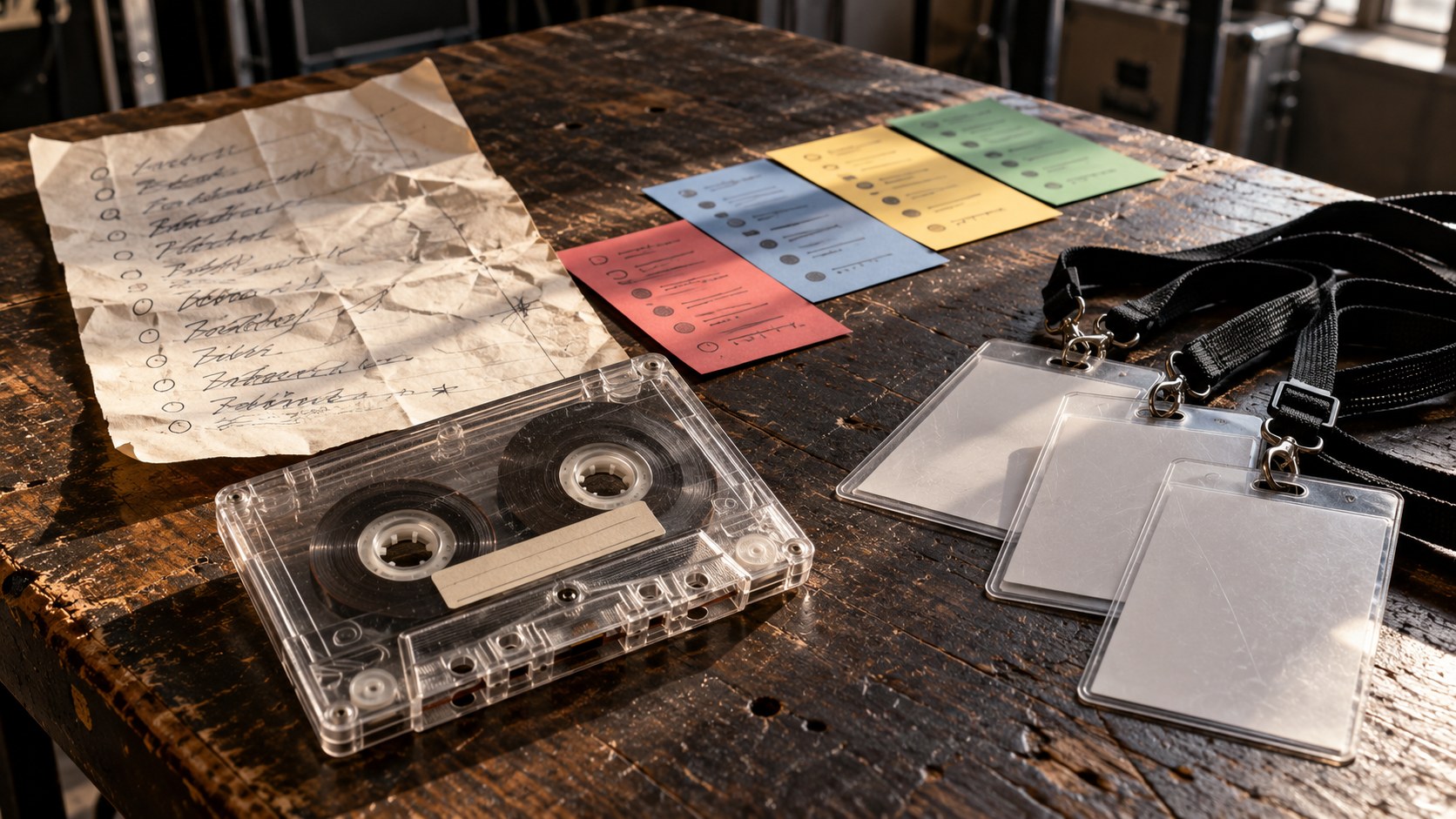
A branded platform matters when control of the domain, presentation, access rules, and fan journey justifies operating them. Public social and streaming services can still drive discovery; membership serves the smaller group seeking continuity. If discovery is the unresolved problem, a fan acquisition strategy for creator platforms belongs ahead of a software build.
Use the fan-offer canvas before choosing features
Map each proposed benefit against cadence, fan intensity, rights clearance, and production load. The resulting pattern tells you whether it belongs in recurring access, a higher-touch tier, a limited drop, or the public channel.
Start with assets the musical practice already produces: rough mixes, rehearsals, commentary, livestreams, archive recordings, and fan conversation. For each, ask how often it exists, who wants it, whether every contributor permits its use, and what work remains after capture. The canvas exposes that hidden second job.
| Offer | Best model | Capacity test | Rights or access test |
|---|---|---|---|
| Early releases and demos | Recurring access when cadence is steady; paid drop when episodic | Can material be prepared without delaying the public release? | Are collaborators, samples, and distribution windows cleared? |
| Backstage and studio access | Recurring lightweight posts or a limited event | Can capture happen without disrupting rehearsal or crew? | Do everyone shown and the venue permit sharing? |
| Livestream performance | Included event, premium tier, or ticketed drop | Can moderation, rehearsal, and technical support be staffed? | Are performance and composition permissions suitable for this use? |
| Archive recordings | Membership library or themed paid collection | Is the catalog organized and technically presentable? | Who owns each recording, image, and guest performance? |
| Community participation | Core membership benefit | Can prompts and moderation continue between releases? | Are conduct, privacy, and removal rules explicit? |
| Direct critique or calls | Capped premium access | How many sessions can the artist actually honor? | What may be recorded, shared, or refunded? |
| Limited physical or digital drop | Separate purchase with member priority | Can fulfillment and support absorb a launch spike? | Are edition terms and territories clear? |

Turn the surviving offers into the fewest understandable rules. A base membership might combine archive access, work-in-progress notes, and community. A capped level may add group interaction. Paid drops can handle a concert film or special session that is valuable but not repeatable. The creator membership tier design should state what renews, what sells separately, and what can run out.
A hypothetical band tests the promise before the platform
Consider a hypothetical independent trio with an irregular public release schedule, a useful live archive, and fans who engage with rehearsal material. Its safest first offer is a lightweight recurring base plus separately scheduled events—not unlimited access.
Assume, purely for this example, that the trio can publish one edited rehearsal excerpt and one written studio note each month, host one members-only group livestream each quarter, and clear twelve archive recordings at launch. Also assume the three musicians can collectively spend eight hours per month on selection, editing, posting, moderation, and support. These are planning inputs, not performance benchmarks.
Their initial idea is a premium club promising weekly video, monthly individual calls, early access to every new track, and a permanent chat. The canvas reveals the mismatch. Weekly video exceeds the stated monthly editing rhythm. Individual calls have no capacity limit. “Every track” ignores collaborator approval and release-window restrictions. Permanent chat sounds effortless only until the first moderation dispute arrives at midnight.
They revise the offer around the eight-hour hypothetical monthly capacity: three hours for the rehearsal excerpt, one for the studio note, two for community and support, and two held as operational reserve. The quarterly stream receives a separate production plan rather than quietly consuming the reserve. The arithmetic is intentionally plain: three plus one plus two plus two equals eight. If actual delivery exceeds the allowance, cadence changes before another benefit is added.
- Base membership: the cleared launch archive, one monthly rehearsal excerpt, one monthly studio note, and moderated community access.
- Scheduled member event: one hypothetical quarterly group livestream, announced only after rights, staffing, and technical checks pass.
- Limited drops: occasional concert recordings or special digital releases, priced and fulfilled outside the recurring promise.
- Public channels: finished singles, selected clips, and invitations that let interested listeners understand the membership before joining.
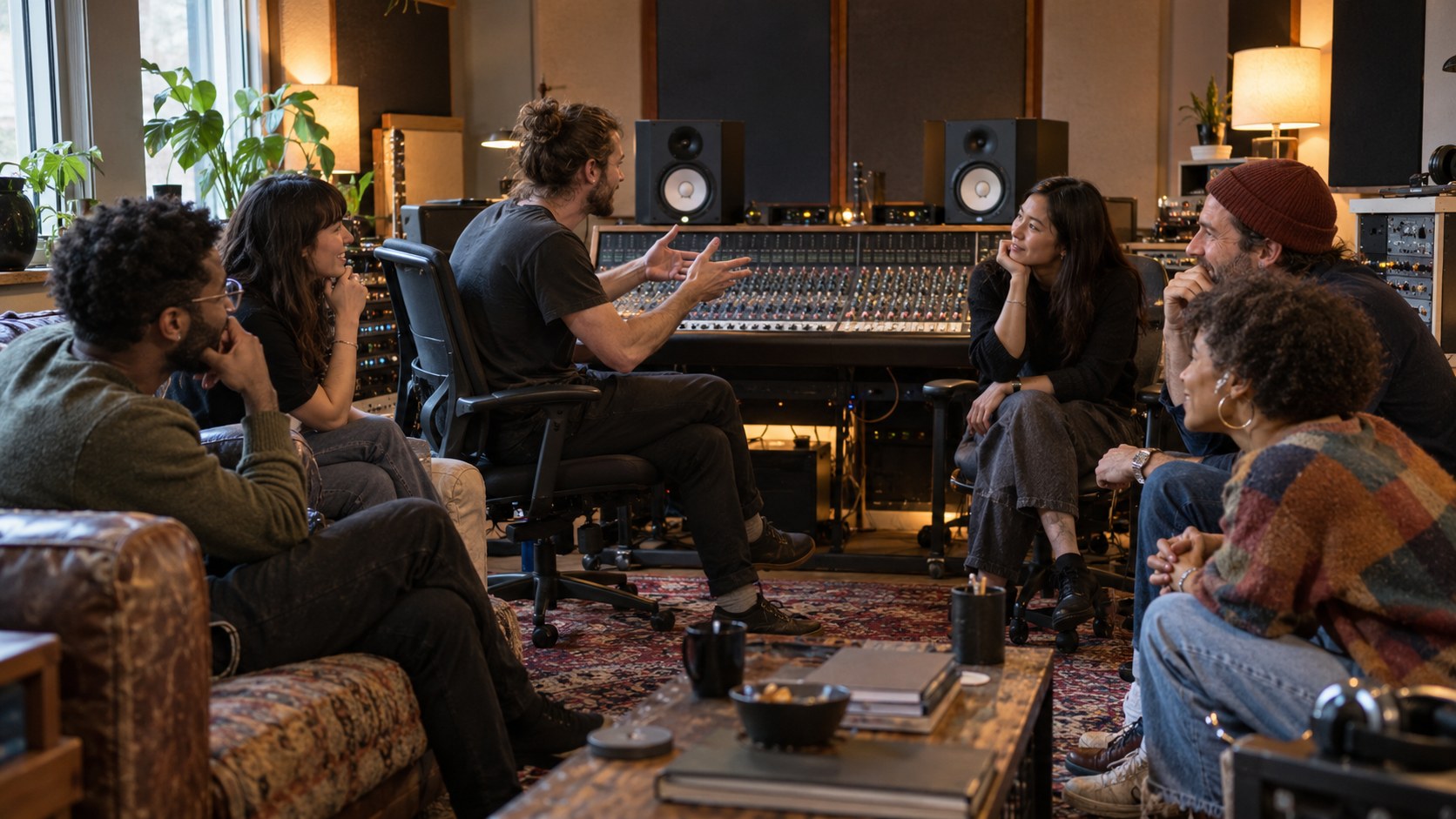
This leaner version gives fans a stable window into the band's process while keeping scarce events explicit. The trio can compare planned with actual hours, see which archive items are used, and learn whether conversation continues without constant intervention.
Resolve rights, access, and software boundaries
The offer is only buildable when every entitlement has an owner, permission state, delivery rule, and failure path. Platform features cannot compensate for music the operator is not entitled to distribute or an interaction nobody can moderate.
Create an item-level rights inventory before uploading an archive. Record the master owner, composition status, featured performers, artwork permissions, relevant territories, permitted window, and approver. Treat demos separately from released masters; a rough mix may contain an uncleared sample or collaborator. This record supports professional review; it does not replace legal advice.
Define access as testable states. What may an active member stream or download? What remains after cancellation? Does a purchased drop survive membership ending? What happens when an item is withdrawn? Mirror the answers in the interface, support scripts, and terms. Content piracy protection for creator platforms can reduce exposure, but deterrence cannot create rights never granted.
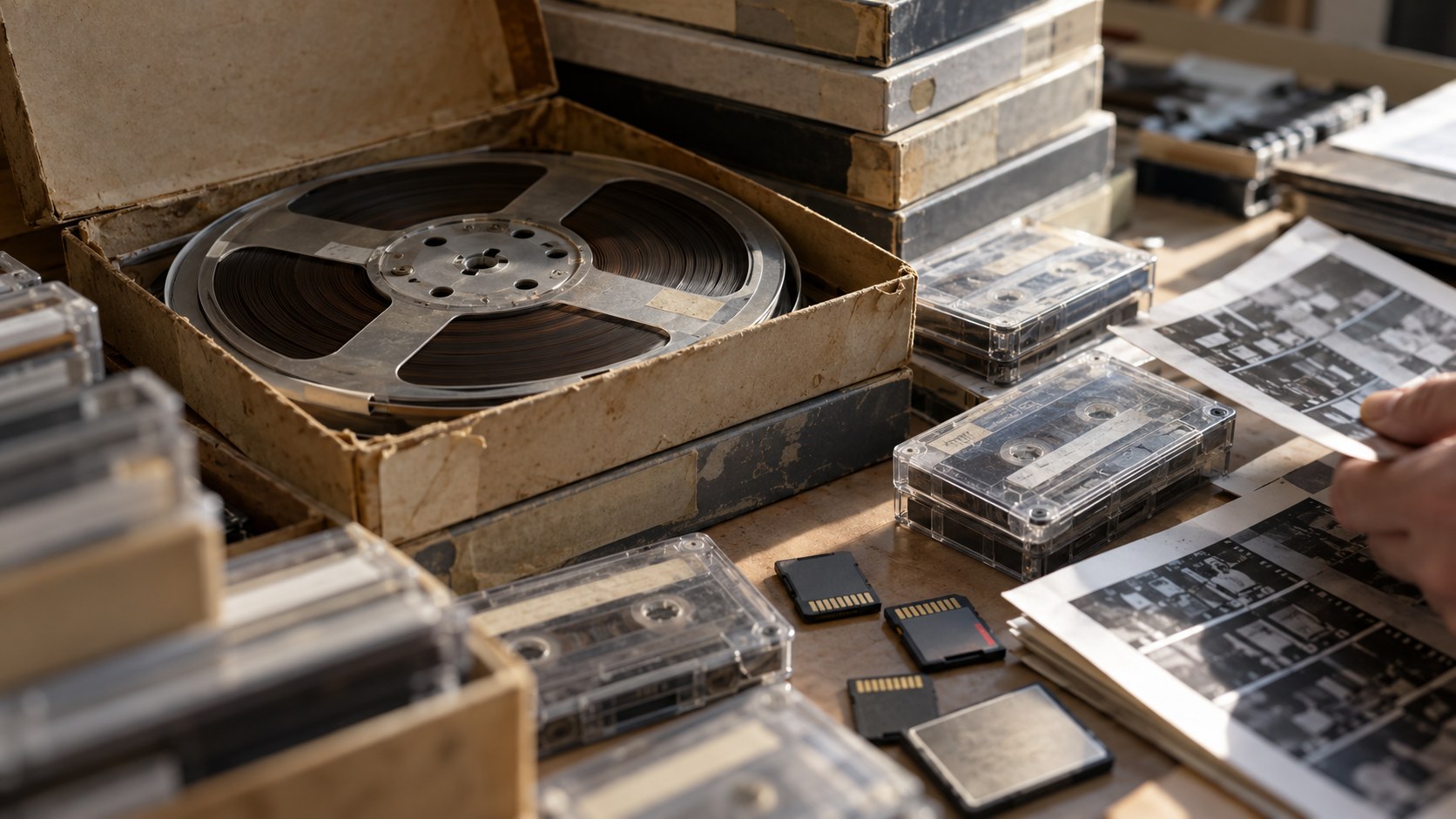
Choose software after the rules exist. A hosted white-label product fits when standard subscriptions, paid content, messaging, streams, payments, payouts, and administration cover the model. Custom development fits verified gaps such as a specialized rights approval chain, unusual catalog metadata, or deep commerce integration. Vibe-coded prototypes can clarify flows, but payment, authorization, privacy, and entitlement logic still require deliberate engineering and testing.
Membership is not a cure for weak demand or a replacement for release marketing. It fits poorly when every benefit requires the artist live, catalog ownership is disputed, or nobody owns refunds and moderation. If the experience is primarily mobile, compare a creator platform web app vs mobile app before committing to native development and its extra release operations.
Launch the smallest fan promise you can verify
Implement the offer in dependency order: validate demand, clear content, define entitlements, configure the platform, rehearse operations, then invite a bounded founding cohort. Expansion comes after delivery evidence, not before it.
- Write one sentence naming the recurring relationship, then show the proposed benefits to fans who already engage deeply; ask what they would miss, not whether the idea sounds nice.
- Build the rights inventory and remove any asset whose permission, territory, or window is unclear until it receives professional review.
- Specify membership states, purchases, cancellation effects, event capacity, moderation rules, refund handling, and ownership of each operational task.
- Configure branding, domain, payments, access, notifications, support, analytics, and backups in the chosen platform; commission custom code only for confirmed gaps.
- Run the complete member journey with test accounts: join, pay, receive access, attend or miss an event, contact support, cancel, and attempt access afterward.
- Open to a bounded founding group, deliver the promised cycle, compare planned effort with actual effort, and change cadence or scope before broad promotion.
Track whether promised items shipped on time, actual hours by benefit, support themes, failed payments and access, event attendance, archive use, cancellations, and stated reasons. These are diagnostic signals, not universal targets. Low use plus high production load argues for removal or separate sale; a useful archive may need better navigation, not more content.
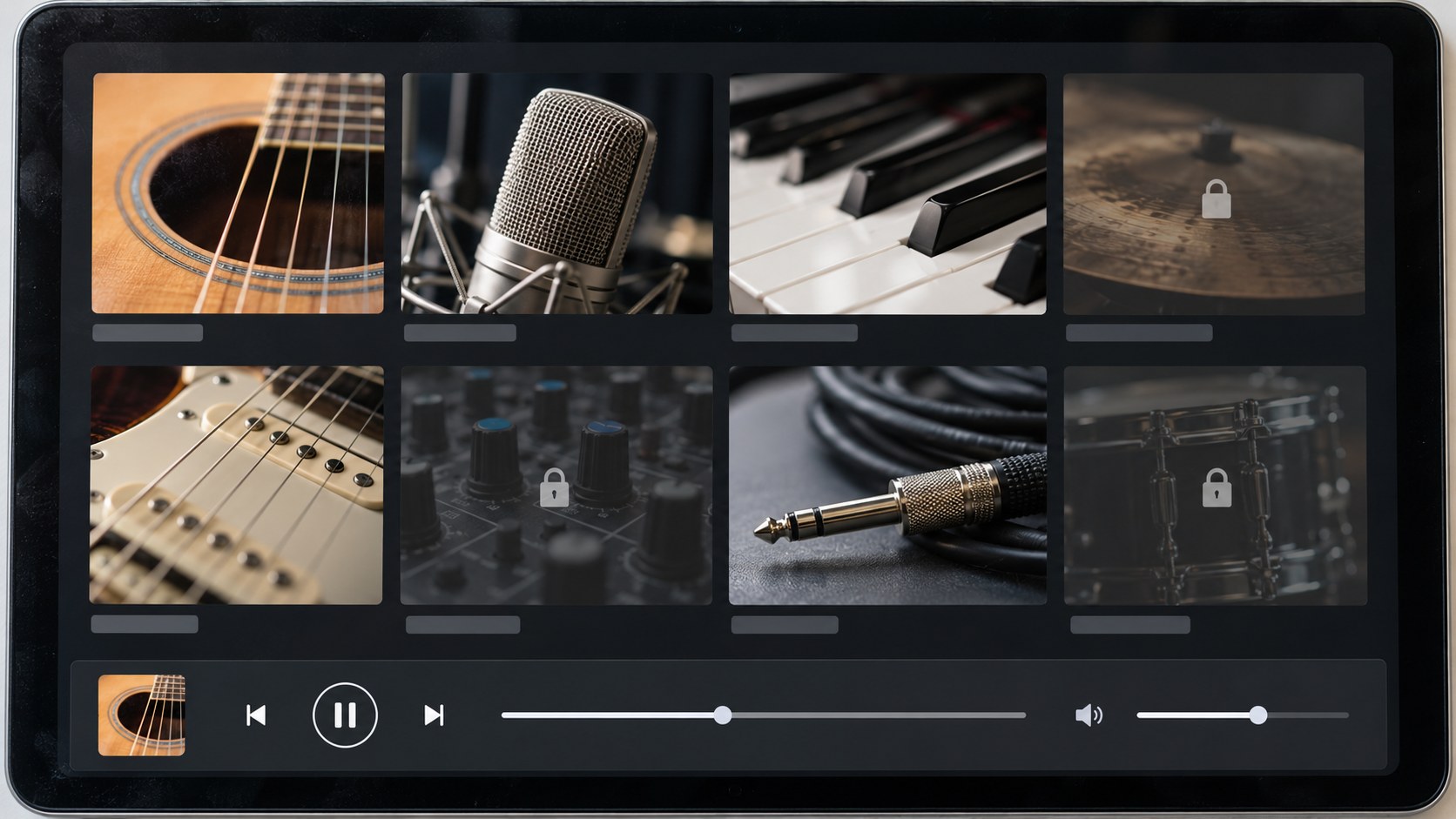
The next action is a delivery rehearsal. Populate the cleared archive, schedule the first cycle, process a test purchase, confirm access, simulate cancellation, and route a support request. Record every manual workaround. If the team cannot complete that circuit with test members, traffic will only amplify the defect.
Before expansion, document the creator onboarding workflow for anyone uploading material or receiving earnings. If contributors split money, define creator payout reconciliation before settlement. A fan promise eventually becomes a ledger, permission system, and support queue; operations keep the music available.
Move from the fan-offer canvas to a working platform
Once the promise, rights, and operating rhythm are defined, Scrile Connect provides a hosted white-label route for launching under your own domain and brand. It supports subscriptions, pay-per-view content, messaging, video calls, live streams, payment integrations, creator payouts, and administrative controls without requiring a custom build.
Use it where those standard capabilities fit the tested offer; keep custom development for the gaps that genuinely distinguish the fan experience.
Frequently asked questions
What should a musician membership include?
Include repeatable access that reflects the artist's actual practice: cleared demos, early releases, studio notes, archive material, moderated community, or scheduled livestreams. Keep scarce personal interactions capped and sell episodic special releases separately when they cannot support a recurring promise.
How many membership tiers should a musician offer?
Use the fewest tiers needed to express genuinely different access. A base recurring relationship and one capped, higher-touch option may be enough; limited drops do not need to become tiers. Add another level only when its entitlement and delivery capacity are both clear.
Should early music releases be downloadable or streaming only?
Decide item by item from the rights, release plan, and intended member experience. Streaming can limit casual file distribution but is not a guarantee against copying. Downloads may suit assets fans are meant to keep. State the entitlement clearly before purchase.
Can a band use archive recordings in a paid membership?
Only after checking who controls each recording, composition, performance, image, and other included material, plus any territorial or timing limits. An old recording is not automatically cleared because the band possesses a copy. Obtain appropriate professional advice where ownership is uncertain.
Is a branded membership platform better than social media?
They solve different jobs. Public channels can support discovery, while a branded membership can provide controlled paid access and a continuous fan relationship. A branded platform is worthwhile when that control and continuity justify the operating responsibility.
When should musicians choose custom development?
Choose custom development when a verified differentiator depends on workflows a hosted product cannot configure, such as specialized rights approvals, unusual catalog structures, or deep system integrations. Do not custom-build standard membership plumbing merely because a prototype looks easy.
How should musicians test a membership before launch?
Rehearse the full journey with test accounts: purchase, entitlement, playback or download, event access, support, cancellation, and post-cancellation behavior. Then deliver one planned content cycle to a bounded group and compare actual workload with the capacity assumption.
What should musicians measure after launching a membership?
Measure on-time delivery, workload by benefit, access and payment failures, support themes, event attendance, archive use, cancellations, and stated cancellation reasons. Interpret the signals together: low use may reflect weak value, poor navigation, or the wrong cadence.

Builds SaaS platforms for content creators, agencies, and entrepreneurs. Writes about the business mechanics behind creator-economy products and how custom software actually ships.