

Quick answer
For most new creator platforms, the sensible choice is to integrate a specialist streaming provider and keep access, payments, moderation, and creator earnings inside the platform. Build native streaming only when proven usage, unusual interaction requirements, or delivery economics justify owning the media stack. Defer it when creators lack repeatable event formats, viewers rarely attend at scheduled times, or expected revenue cannot cover delivery and operations.
Should live streaming be native, integrated, or deferred?
Integrate live streaming when the audience already values scheduled access and the platform needs to validate monetization. Build the media layer only after streaming becomes strategically distinctive; defer it when demand is merely assumed.
A live button is not the product. The product is a timed promise: a creator appears, eligible fans enter, money and entitlements are handled correctly, harmful behavior is controlled, and the recording is treated according to agreed rights. Failure anywhere in that chain makes a technically flawless broadcast commercially useless. Founders should therefore begin with audience behavior and operating rules, not codecs.
- Choose an integration when you need branded viewing, gated admission, chat, recordings, and reliable delivery without operating encoders and distribution infrastructure.
- Consider a native build when interaction mechanics are proprietary, streaming volume is stable, provider constraints block the business model, or media cost has become material enough to optimize.
- Run a limited pilot when willingness to attend or pay is uncertain but creators can commit to a repeatable event format.
- Postpone streaming when the platform still lacks reliable publishing, billing, moderation, or creator support. Live video magnifies those gaps in real time.
Even with an integration, retain control of identity, admission, purchases, event records, creator balances, and policy enforcement. The streaming vendor should transport media; it should not quietly become the system that decides who paid or what the creator earned. That boundary also keeps future replacement possible.
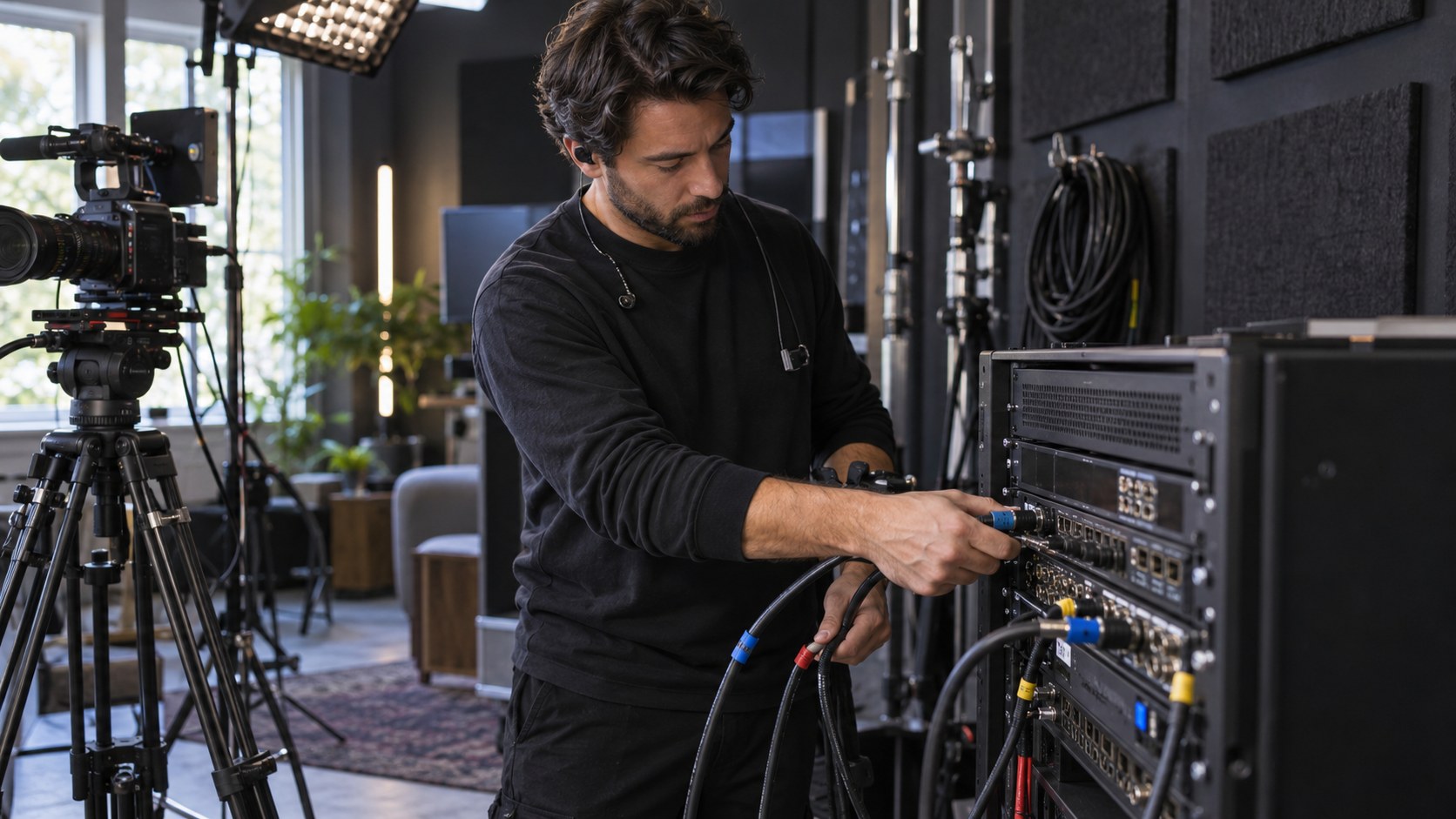
Live streaming for creator platforms: the feasibility worksheet
Score the feature against audience behavior, commercial rules, concurrency, latency, safety, replay rights, and unit economics. The weakest operational requirement usually determines the correct implementation model.
| Decision factor | Integrate or pilot | Build native | Postpone |
|---|---|---|---|
| Audience behavior | Creators already run scheduled sessions and fans attend | Live interaction defines the product experience | Demand rests on creator enthusiasm rather than fan behavior |
| Paid access | Standard subscription, ticket, or member gate | Custom auctions, participation logic, or deeply coupled commerce | Entitlements and refund rules are unresolved |
| Concurrency | Event sizes are uncertain or uneven | Usage is sustained and predictable enough to justify optimization | No credible audience estimate exists |
| Latency | Ordinary broadcast delay is acceptable | The core interaction requires tighter control | The team has not defined what viewers must do in real time |
| Moderation | Provider controls can connect to platform operations | Specialized safety workflows require custom tooling | No staffed escalation path exists |
| Replay rights | Creator contracts and viewer access are explicit | Recording and derivative workflows are strategically distinctive | Ownership, retention, or takedown rules are disputed |
| Unit cost | Contribution remains positive under conservative assumptions | Scale makes infrastructure ownership worth evaluating | Delivery and staffing exceed credible event value |
Treat any postpone result in payment entitlement, moderation, or replay rights as a stop condition. Those are governance dependencies, not backlog polish. If the other rows favor a pilot, use an integration. Build native only when several requirements demand control and the organization can operate media ingestion, playback, observability, incident response, and device compatibility as an enduring capability.
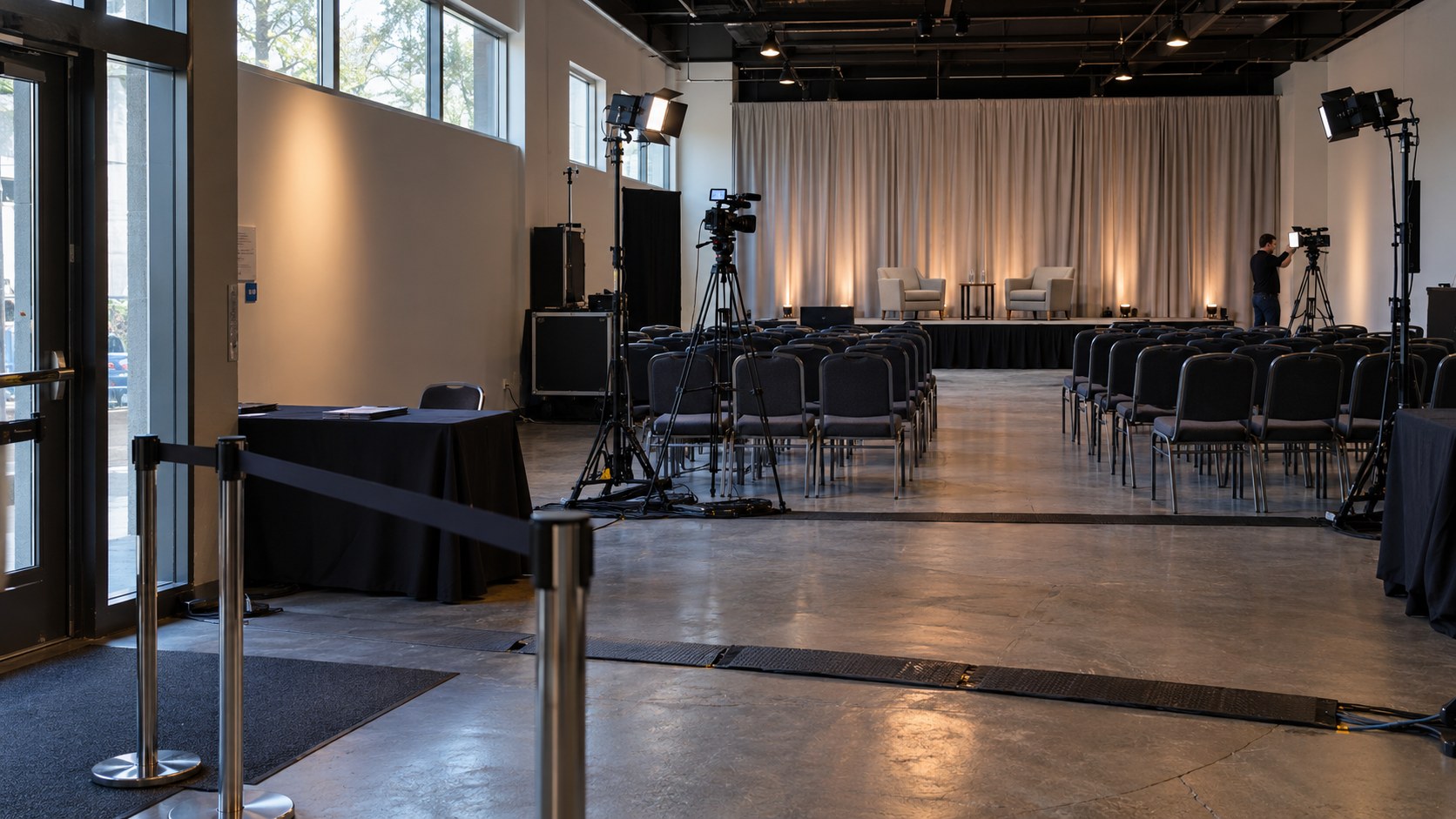
Can a paid live event support its own operating cost?
Estimate contribution per event before approving a broader build. Include delivery, moderation, support, refunds, recording, and creator compensation rather than comparing ticket revenue with bandwidth alone.
Consider this hypothetical event with explicit assumptions: 300 paying viewers buy access at $12, producing $3,600 in gross sales. Average watch time is assumed to be 1.5 hours, and the assumed variable media cost is $0.18 per viewer-hour, so delivery costs $81. Assume another $600 for moderation, production support, and creator guarantees. Before payment costs, taxes, refunds, and revenue sharing, the provisional contribution is therefore $2,919. Those omitted items must be inserted using the platform's actual contracts and gateway terms.
- Run a downside case with fewer buyers and longer viewing, because unsuccessful events can still be surprisingly good at consuming resources.
- Separate event revenue from subscription revenue that would have occurred anyway; attribution optimism is not a payment method.
- Model refunds and failed admission as operating outcomes, not footnotes. The design of payment processing for creator platforms determines whether access and settlement records can be reconciled.
- Decide whether the replay creates additional paid value or merely shifts viewing away from the live session.
If contribution is negative under credible assumptions, postpone or change the offer before engineering it. If a repeatable pilot is positive, negotiate provider terms and improve conversion. Native infrastructure becomes a candidate only after aggregate usage makes ownership strategically or economically superior—not because bandwidth appeared as an unpleasant line item.
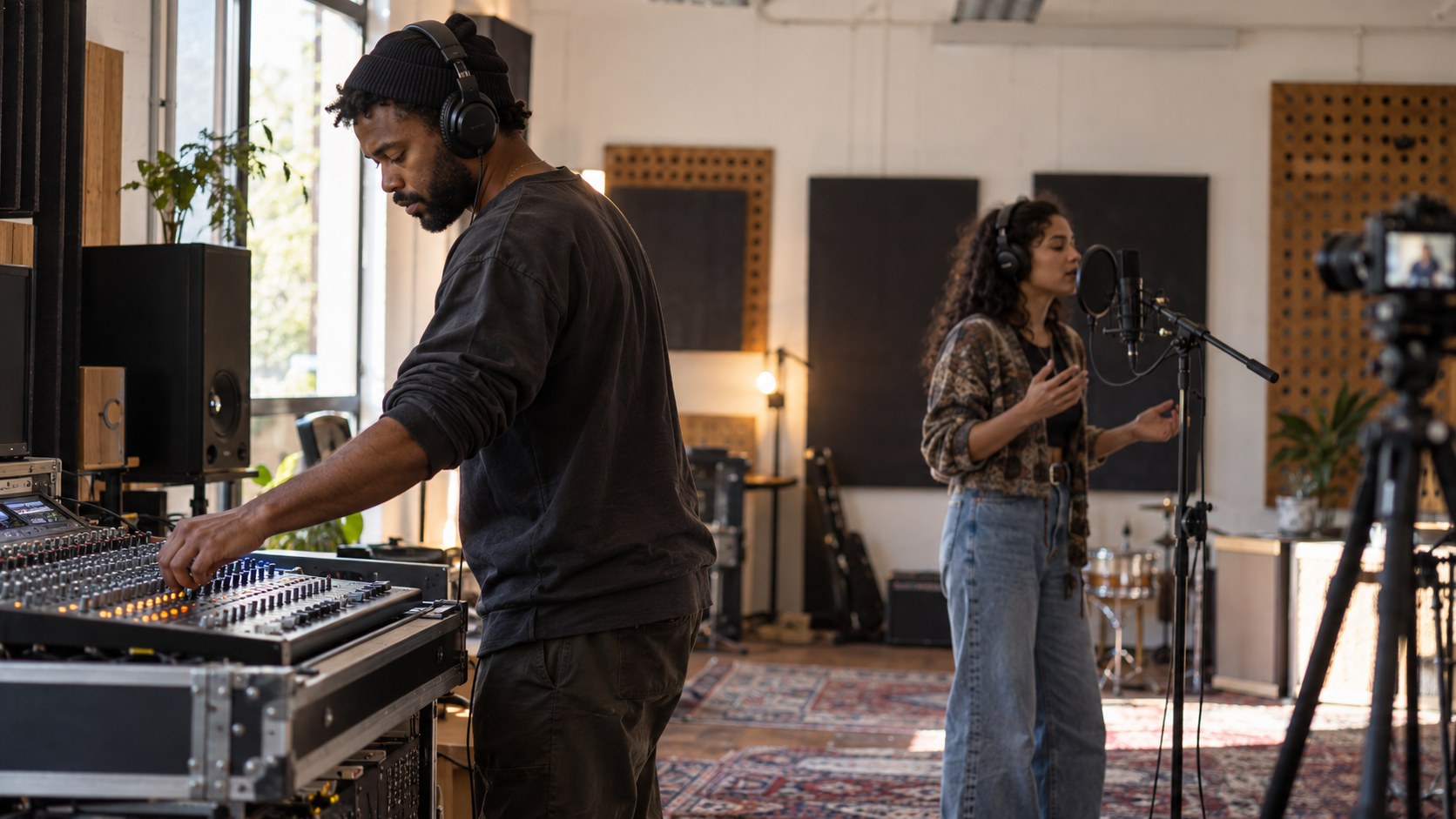
The same calculation exposes which product lever matters. Poor paid attendance points to scheduling, promotion, or the offer; short viewing may indicate weak programming or playback trouble; heavy support cost suggests confusing admission; high moderation cost may require slower chat, stronger creator tools, or different event rules. Do not bundle every weakness into “streaming cost.” Assign each variance to an owner and compare planned versus actual results after every pilot.
What must work around the video player?
A commercial live feature needs an entitlement service, event lifecycle, moderation console, incident procedure, recording policy, and reconciled ledger. Playback alone is the visible fraction of the system.
The operating sequence starts before broadcast: approve the creator, define the event and access rule, collect payment, issue an entitlement, test the feed, and staff escalation. During the event, validate entry without exposing reusable stream addresses, monitor stream health, moderate chat and content, preserve relevant audit records, and communicate incidents. Afterward, close purchases, process refunds, calculate creator earnings, publish or destroy the recording as agreed, and review failures.
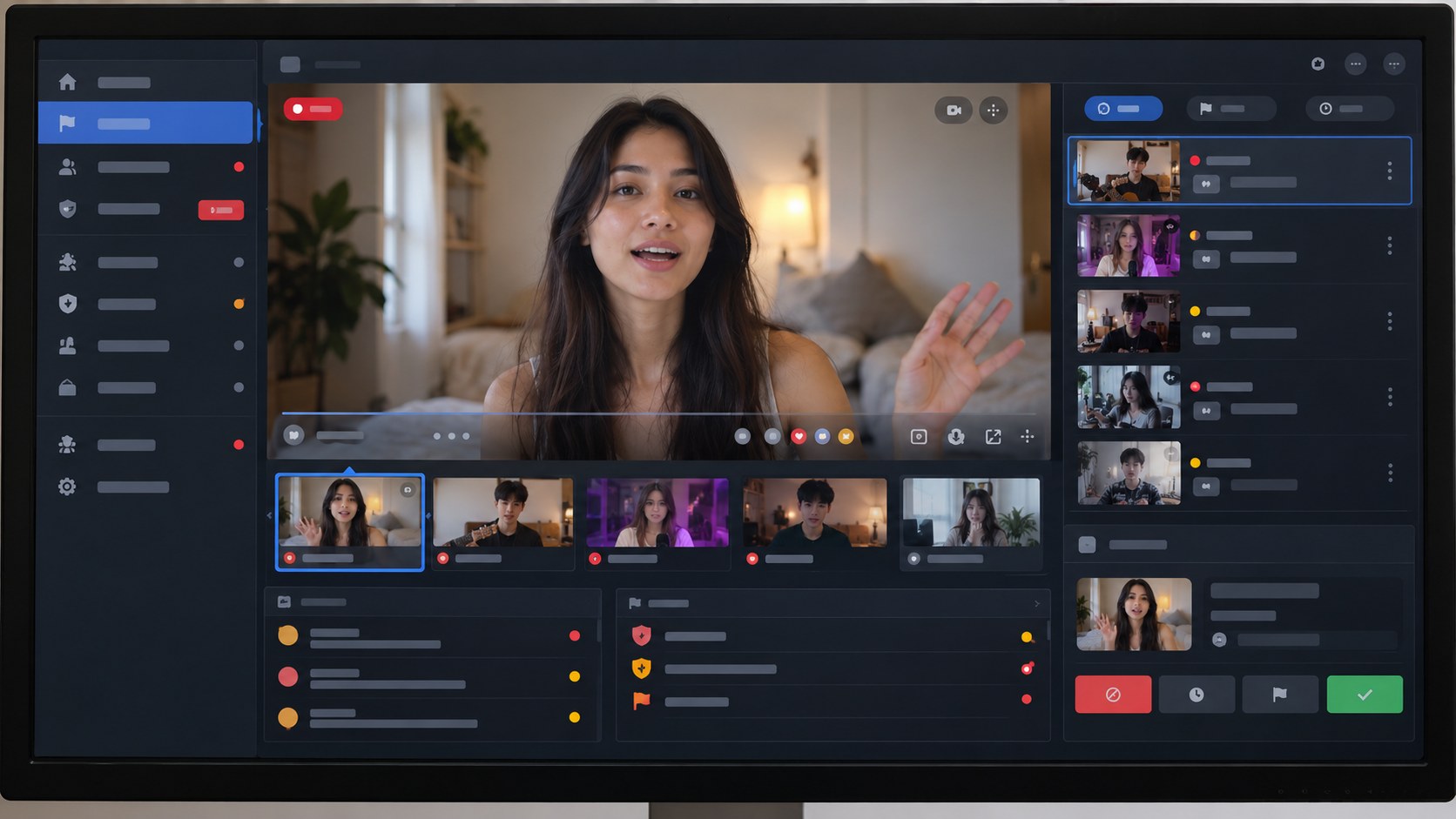
Live content cannot be pre-reviewed, so the creator platform content moderation workflow needs real-time reporting, decisive operator controls, evidence handling, and a clear escalation owner. Recording adds a separate rights question: permission to broadcast does not automatically settle permission to store, edit, sell, or retain a replay. Contracts, product settings, and storage jobs must express the same rule.
Keep event chat and follow-up commerce within the same user and ledger model. If viewers can buy a private response after the session, paid messaging for creator platforms should reuse identity, balances, blocking, and moderation records rather than creating a parallel account system.
Plan degraded states before launch. The broadcast may continue while chat fails, payment confirmation may arrive after the announced start, a creator connection may drop, or a recording job may fail silently. For each case, define what viewers see, who is alerted, which purchases remain valid, and whether staff can recover without database surgery. A rehearsed cancellation path often protects trust better than an improvised attempt to keep a broken event technically alive.
How should a founder implement and verify the feature?
Ship the smallest complete live-event loop, measure it with real paid behavior, and widen scope only after access, safety, economics, and recovery have all been demonstrated.
- Define the event job: who broadcasts, why fans attend at a fixed time, what they buy, and what happens after the stream.
- Choose the entitlement model—membership inclusion, event purchase, tipped access, or another explicit rule—and align it with the paywall strategy for creator platforms.
- Document expected audience shape, interaction timing, supported devices, recording rights, moderation controls, and cancellation policy.
- Select an integration whose media delivery and control interfaces meet those requirements while your platform retains identity, commerce, and event records.
- Build admission, creator setup, operator controls, viewer error states, ledger events, and replay handling as one testable workflow.
- Rehearse normal operation and failure cases, then run a bounded paid pilot and compare observed attendance, contribution, incidents, refunds, and support load with the approval thresholds.
- Choose to integrate further, investigate a native build, revise the format, or postpone. Record the evidence behind the decision.
The verifiable next action is a written pilot brief approved by product, engineering, payments, moderation, and creator operations. It should name the event owner, access rule, supported surfaces, rights decision, stop conditions, ledger treatment, and measures that trigger expansion. If those fields cannot be completed, another sprint of video-player work will not complete them by magic.

Mobile applications can complicate admission, payments, background behavior, notifications, and release cycles, so decide the first supported surface rather than promising universal access. The creator platform web app vs mobile app decision should follow audience behavior and commercial constraints. A focused web pilot may answer the business question sooner, while native apps may be justified when recurring live participation depends on device-level convenience or capabilities.
Launch monetized live experiences without starting from zero
Once live demand is credible, the practical requirement is broader than video delivery: branded access, subscriptions, pay-per-view, tips, messages, payments, creator earnings, moderation, and administration must work together. Scrile Connect is a white-label content monetization platform that includes live streams and private video calls alongside those commercial workflows.
It suits creators, agencies, and founders who want to launch under their own domain, control branding and platform rules, connect custom payment flows, and extend the product through integrations or custom features. That makes it a sensible option for testing an owned creator business before committing to a ground-up platform build.
Frequently asked questions
What is live streaming for creator platforms?
It is a platform capability that lets creators broadcast video in real time to an audience whose identity, access, payments, interactions, and viewing rights are managed by the creator business.
Should a startup build or buy live-streaming infrastructure?
Most startups should integrate a specialist provider while owning user identity, entitlements, commerce, and event records. A native build is justified only by proven scale or requirements that integrations cannot meet.
When should live streaming be postponed?
Postpone it when creators lack repeatable event formats, audience demand is untested, access or refund rules are unclear, moderation is unstaffed, or event economics remain negative.
How can a creator platform monetize live streams?
Common models include membership access, separately purchased events, tips, premium interactions, and paid replays. The best model matches the audience's reason for attending and can be reconciled in the platform ledger.
Does a live stream need low latency?
Only when delayed viewer responses would break the core interaction. Lectures and performances may tolerate ordinary broadcast delay; bidding, games, and consultations may require tighter control.
What moderation tools does a live creator platform need?
It needs real-time reporting, chat and participant controls, operator escalation, creator blocking tools, incident records, and a defined procedure for stopping or restricting a broadcast.
Who owns a live-stream recording?
Ownership and permitted uses depend on the creator agreement and applicable law. The platform should explicitly define broadcast, storage, editing, replay sale, retention, and takedown rights before the event.
How should a live-streaming pilot be measured?
Measure registration, paid admission, successful playback, viewing behavior, purchases, moderation incidents, refunds, support demand, delivery cost, operating cost, and creator earnings against predetermined decision thresholds.

Builds SaaS platforms for content creators, agencies, and entrepreneurs. Writes about the business mechanics behind creator-economy products and how custom software actually ships.