

Quick answer
A creator platform disaster recovery plan defines how to restore trustworthy paid access after an outage, corruption, deployment failure or vendor disruption. Set recovery targets by workflow, map dependencies, assign recovery owners and require proof from restoration tests. Reopen payments and payouts only after reconciling external transaction records with restored balances and entitlements. A healthy homepage is insufficient evidence.
What a creator platform disaster recovery plan must restore
Your homepage can return while paying fans still cannot open purchases. A creator platform disaster recovery plan should therefore define recovery as verified access and consistent financial records. Before choosing hosting or signing a platform contract, decide which workflows must return together and which can safely wait.
Consider a hypothetical membership business selling subscriptions and paid videos. Its operator accepts nightly database backups as protection. In a rehearsal, the restored site loads, but purchases made after the backup have disappeared locally. The payment provider still records those charges. Refunding everyone creates another problem: some fans already received content. The missing capability is reconciliation.
Failures demand different recovery paths. A failed deployment may allow rollback if database changes remain compatible. Corruption requires a clean recovery point. Storage loss requires recoverable media and permissions. A payment vendor outage can leave the site healthy while purchases fail. Distinguish these events before rebuilding infrastructure that was never broken.
Trace each essential journey from sign-in through payment confirmation, entitlement creation and protected playback. Trace creator earnings separately through payout approval and transfer confirmation. Identify the database, object storage, signing keys, identity service, payment gateway and network routing each journey needs. A restored database cannot decrypt content without its keys; available video files cannot establish who may watch them. Record these dependencies before debating recovery technology.
This plan covers restoration and consistency. If compromise is suspected, preserve evidence and choose clean credentials before reconnecting systems. The creator platform security checklist addresses preventive controls; recovery planning asks whether those controls and their configuration survive a rebuild.

Build the workbook around evidence and dependencies
Use a recovery workbook that joins each workflow to its dependencies, acceptable data loss, restoration deadline, accountable owner and proof of readiness. The table below is an adaptable structure, not a service guarantee. Populate it with your architecture and test results before accepting a vendor's recovery promise.
Recovery point objective, or RPO, is the maximum acceptable loss of recent data, expressed as elapsed time. Recovery time objective, or RTO, is the target elapsed time to restore the agreed service. Define the RTO clock from business disruption to verified availability, including detection, escalation and validation. A backup interval describes a schedule; it does not prove the RPO, because failed jobs or unusable copies can leave a longer gap.
| Workflow | Dependencies and backup evidence | RPO / RTO decision | Owner and release proof |
|---|---|---|---|
| Sign-in and paid access | Identity, entitlement database, secrets; clean restore log and permission tests | Choose acceptable lost changes and access interruption | Technical lead; fan can open a purchase but cannot open unpurchased media |
| Paid media playback | Original media, metadata, private storage, delivery configuration; restored sample and inventory | Set separate targets for existing media and new uploads | Storage owner; protected playback and asset counts verified |
| Purchases and creator earnings | Gateway records, event history, local ledger; reconciled export | Choose transaction recovery window and checkout deadline | Payments lead; unmatched and duplicate events resolved |
| Creator payouts | Approved obligations, transfer references, provider access; reconciliation record | Set payout recovery deadline against promised schedules | Finance owner; transfer status established before any retry |
| Deployment and routing | Compatible release, schema migration record, DNS and infrastructure configuration | Set rollback or rebuild target from a timed rehearsal | Release owner; alternate environment passes acceptance tests |
For every backup, record contents, timestamp, retention, location, encryption-key dependency and successful restoration evidence. Include database logs for point-in-time recovery, media versions and configuration exports. Separate copies from production credentials and failure domains where feasible. Replication can reproduce deletion; recovery needs a clean version retained long enough for someone to discover the damage.
Name who declares recovery, performs failover and authorizes financial reopening, with deputies and reachable contacts. For hosted software, establish who restores infrastructure, checks entitlements and contacts creators. Request a dated restoration report with scope, elapsed time and unresolved exceptions. Keep contractual targets separate from observed results.
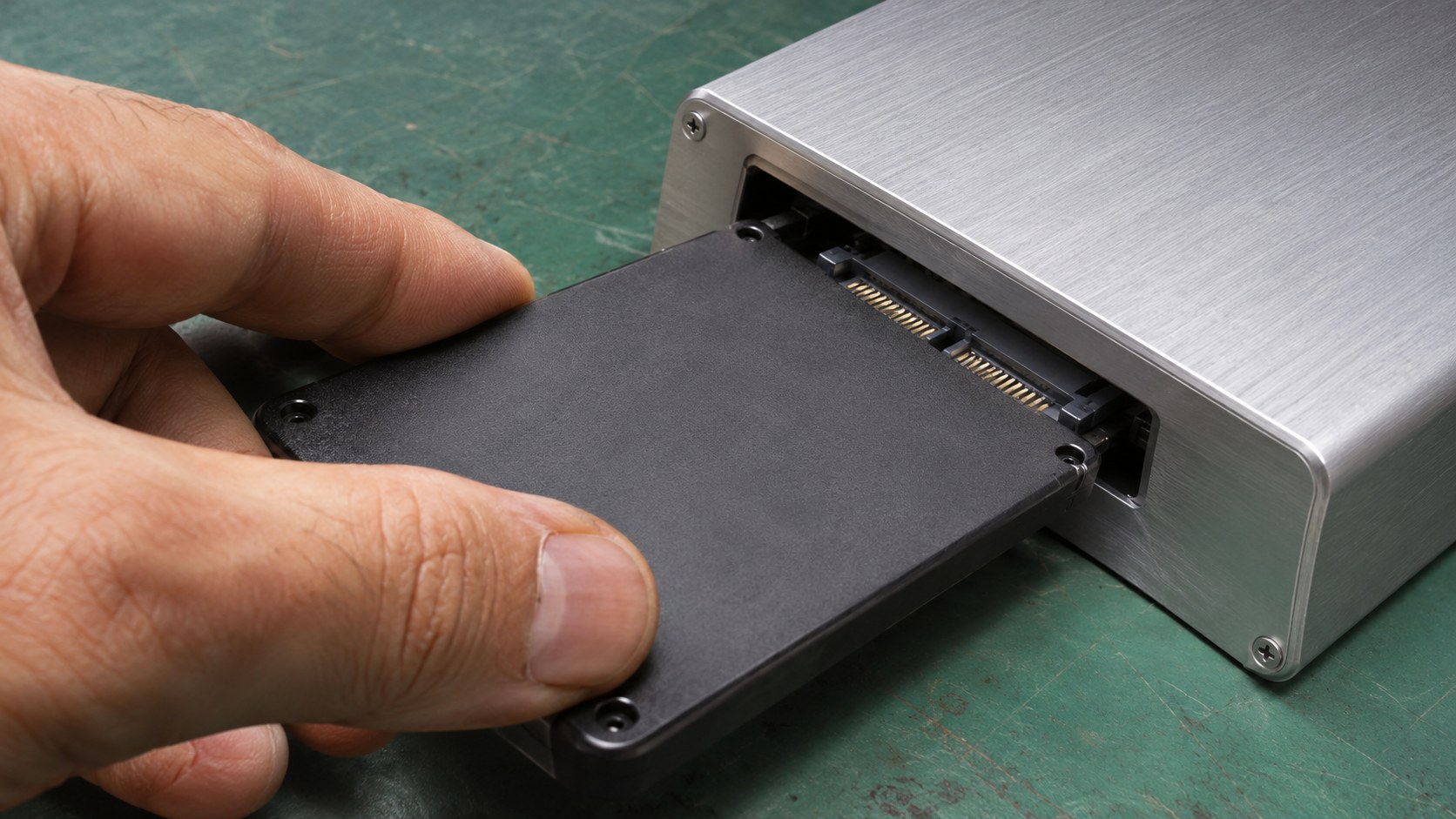
Test the backup promise against a purchase made before failure
The membership business discovers that restoring files is easier than reconstructing the interval between its backup and the outage. Its better decision is to recover transaction history and permissions together, while keeping checkout and payouts paused until external and local records agree.
For this hypothetical rehearsal, assume a clean database backup at 02:00, corruption at 14:00, an access RPO of 15 minutes and an access RTO of 2 hours. Assume nightly backups are the only database recovery mechanism initially. The available snapshot leaves a 12-hour data gap, exceeding the proposed RPO. These are illustrative policy choices, not recommended targets for every platform; the operator must justify them against actual purchase activity and creator commitments.
A fan bought a video after the backup, and the payment provider confirmed the charge before corruption. Restoring the snapshot removes the local entitlement without reversing the charge. The operator retrieves provider transaction records for the gap and matches them using stable transaction identifiers. The reconciliation must also distinguish successful purchases, refunds and unresolved payment attempts. Replaying every notification indiscriminately can duplicate credits or recreate access that was correctly revoked.
The revised design retains recoverable database change history and durable payment-event records, subject to a successful restore test. Gateway records help establish payment status, but cannot reconstruct deleted messages, tier changes or every access rule. The operator therefore tests those records separately and retains an exception queue for purchases whose product mapping is missing. The creator payout reconciliation workflow supplies the next check: match restored obligations to actual transfers before releasing another payout.
Assume the revised hypothetical rehearsal takes 20 minutes to detect and declare the incident, 55 minutes to restore dependencies and 35 minutes to validate access. Total access recovery is 110 minutes, within the assumed 120-minute RTO by 10 minutes. This result applies only to the tested access workflow. Checkout and payouts remain closed until reconciliation finishes; their completion times must be measured separately rather than hidden inside a claim that the platform is back.

Reopen in a controlled sequence and explain the limits
Restore in dependency order, then reopen workflows according to verified readiness. Read-only access may be a useful intermediate state when purchases cannot be reconciled. It is inappropriate if restored permissions are uncertain, because a fast recovery that exposes private content has failed its purpose.
- Declare the incident, record the disruption time and pause deployments, checkout and payout jobs where their state is uncertain. Assign a recovery lead and preserve relevant logs.
- Identify the last clean recovery point and restore keys, configuration, data and media in dependency order inside an isolated environment. Validate release and schema compatibility before routing traffic.
- Check paid and unpaid test accounts, private media permissions and revoked access. Compare asset inventories and reconcile payment events against local entitlements and ledger entries.
- Authorize access, checkout and payouts independently. Record outstanding exceptions, confirm queue replay behavior and monitor for duplicate processing before returning to normal operations.
An alternate server cannot repair an unavailable identity provider or payment gateway. Record what can remain available during each vendor failure, how to reach that vendor and what evidence permits resumption. Switching payment providers is not an automatic recovery step: customer payment credentials, recurring billing arrangements and event identifiers may not transfer. If a fallback has not been integrated and tested, describe a controlled payment pause instead of promising seamless failover.
Keep status communications outside the affected platform and store message templates with the runbook. Tell fans which actions are unavailable, whether existing purchases remain accessible and when the next update will appear. Tell creators separately whether publishing, earnings visibility or transfers are delayed. State confirmed facts and unresolved checks; avoid claiming that funds or data are safe before verification. The creator platform customer support workflow should give agents a shared incident reference and escalation route.
For the hypothetical membership business, a useful update says that existing access is being restored, checkout is paused and transfer status is under review. It names the next update time once the incident lead sets it. After restoration, explain any missing changes and how affected users can report them. Restoring a snapshot must also preserve subsequent removal and offboarding decisions: maintain a recoverable record of revocations so old copies do not silently republish withdrawn material.

Make a restoration rehearsal the acceptance test
Before approving the recovery design, require a timed restoration of a representative paid journey and its financial trail. A modest, repeatable procedure with retained evidence is more useful than an ambitious failover design nobody on the operating team can execute.
Start by assigning workflow owners and agreeing acceptable interruption and data loss. Map dependencies next, then obtain backup evidence and document restoration commands, access requirements and escalation contacts. Build the isolated recovery environment before scheduling the rehearsal. Include a purchase, a refund, a revoked entitlement and a pending payout in test fixtures. Use synthetic accounts and records so the exercise cannot accidentally charge fans or transfer creator funds.
As a proposed operating cadence, rehearse quarterly and after material changes to storage, authentication, payment handling or database migrations. Record detection, restoration and validation times separately, the actual recoverable point and every manual intervention. Exercise storage loss and vendor downtime as well as deployment rollback; they reveal different dependencies. Update the workbook after failures and rerun the affected step. Calendar entries prove that a test was planned, which is a less demanding achievement than recovery.
Ask your technical lead or provider to restore an isolated paid account, its purchased media and transaction record, then show evidence. Require a permissions check and an explanation of missing changes. If production internals are unavailable, agree observable acceptance results and responsibilities. Resolve unanswered recovery questions before the platform holds money and private content.
The membership operator now chooses on demonstrated recovery boundaries. A custom build gives control and leaves your team operating recovery. Hosted software changes that division of work; your reconciliation and communication duties remain. Carry the same acceptance test into either decision, separating access restoration from financial reopening.

Bring the recovery workbook to your platform discussion
Scrile Connect is hosted white-label software for branded creator and paid-content platforms, with subscriptions, pay-per-view content, paid messaging, payment integrations, creator payouts and administrative controls. If that model fits your business, use the recovery workbook to ask how restoration responsibilities and transaction reconciliation would be handled for your implementation. Establish those answers before committing to a launch.
Frequently asked questions
What is the difference between backups and disaster recovery?
Backups preserve recoverable copies. Disaster recovery adds the dependencies, people, restoration sequence, communications and acceptance checks needed to return a service to trustworthy operation. A backup job can succeed even when nobody can restore the complete paid journey.
How should a small creator platform choose its RPO and RTO?
Choose targets for each workflow by deciding how much recent data loss and interruption the business can tolerate. Include paid access, publishing, checkout and payouts separately. Validate the targets against restoration evidence and the team's ability to reconcile missing changes.
Does replicated storage replace a backup?
Replication can support availability, but it may also propagate deletion or corruption. Recovery needs a clean retained version, its keys and configuration, plus evidence that the version can be restored with the correct content permissions.
Can payouts restart as soon as the website returns?
Only after restored obligations have been matched to confirmed provider transfer records and unresolved attempts have been investigated. A missing local confirmation does not prove a transfer failed. Retrying before establishing status can produce duplicate payouts.
Should recovery include private messages and purchased videos?
Yes, where they are part of the service being promised. Define separate recovery expectations for message history, original media, purchase records and access rules. A payment export cannot recreate all those records, so specify their recovery sources explicitly.
What changes when the platform vendor hosts the software?
The provider may operate infrastructure recovery, but the contract must establish its actual scope. Your business still needs named people to verify paid journeys, reconcile transactions, handle exceptions and communicate with creators and fans.
When is a read-only recovery mode useful?
It can preserve existing access while new purchases and publishing remain paused. Enable it only after checking permissions and content integrity. If entitlement records are uncertain, keeping the affected content unavailable is preferable to granting unintended access.
What evidence should a restoration test produce?
Retain the recovery point, timestamps, environment and release details, restored asset checks, permission results, financial reconciliation and unresolved exceptions. Identify who accepted each workflow. The report should distinguish observed outcomes from contractual targets.

Builds SaaS platforms for content creators, agencies, and entrepreneurs. Writes about the business mechanics behind creator-economy products and how custom software actually ships.