

Quick answer
Content piracy protection for creator platforms should combine deterrence, attribution, detection, and response. Apply visible or account-specific watermarks, enforce access at every media request, restrict convenient downloads, retain useful access logs, monitor likely leak channels, preserve evidence before filing takedowns, and review suspected accounts fairly. The goal is not an impossible promise of perfect prevention; it is to make leaks harder, investigations faster, and enforcement consistent.
What content piracy protection for creator platforms should actually do
The right system does not promise to stop every copy. It raises the effort required to leak content, connects exposed media to useful account evidence, and gives the operating team a repeatable route from discovery to resolution.
Begin with the economic event: an authorized customer receives media and then redistributes it outside the paid relationship. Encryption and signed delivery links protect transport and access, but an authorized viewer can still record a screen or photograph a device. That makes piracy protection a layered operating capability rather than a security switch. Define who may view each asset, what evidence each view creates, how leaked copies can be attributed, and who owns the response. These decisions should follow your membership platform content access models because a public preview, subscriber post, pay-per-view file, private message, and livestream expose different evidence and usability trade-offs.
- Deter casual sharing with visible branding and user-linked watermarking.
- Enforce entitlement again when media is requested, not only when a page loads.
- Record account, asset, session, device, and delivery events needed for an investigation.
- Detect exposed material through focused monitoring and creator reports.
- Preserve evidence, submit valid notices, and apply a documented account-review policy.
Write the promise carefully: “controlled access and traceable response” is credible; “leak-proof” is not. A protection layer that blocks ordinary subscribers from saving an offline lesson may create more cancellations than piracy savings, while weak logs can leave the team with an attractive watermark and no defensible account decision. Set the desired friction by content type and threat level, then assign an owner to every alert. The useful implication is simple: buy or build controls only after defining the evidence and response they must support.

Which controls belong in the protection-and-response stack?
Choose controls by the job they perform. Prevention alone cannot resolve a leak, while monitoring without attribution produces alerts that the team cannot confidently connect to an account.
| Control | Primary job | Operating decision | Important limitation |
|---|---|---|---|
| Visible watermark | Deter and establish provenance | Apply creator or platform identity consistently | Cropping may remove it |
| Account-linked watermark | Attribute a captured copy | Encode a viewer or session reference discreetly | Must avoid exposing personal data |
| Access checks and restricted downloads | Reduce easy extraction | Authorize every protected media request | Screen recording remains possible |
| Access logging | Support investigation | Retain only fields needed for security and disputes | Logs show access, not guilt |
| Leak monitoring | Find exposed copies | Prioritize high-value assets and likely channels | Coverage will never be complete |
| Evidence capture and takedown | Remove discoverable copies | Save context before contacting a host or platform | Removal can be delayed or refused |
| Repeat-offender review | Limit recurring abuse | Use documented thresholds and human review | Shared devices and compromised accounts create false signals |
| Creator communication | Maintain trust | Give status, decisions, and realistic expectations | Premature certainty can damage trust |
Use the matrix as a chain, not a shopping list. A paywall strategy for creator platforms determines entitlement; delivery controls enforce it; watermarking and logs create investigative clues; monitoring starts the response; evidence supports a notice; account review decides whether internal action is justified. Assign a system owner, data owner, and decision owner. If any handoff lacks an owner or usable input, the chain is decorative security—handsome in a sales deck, less impressive during an actual leak.

How should a platform handle a reported leak?
Treat a leak as an incident with reversible early steps: validate the match, preserve evidence, correlate access records, limit further exposure, submit notices, review accounts, and keep the creator informed.
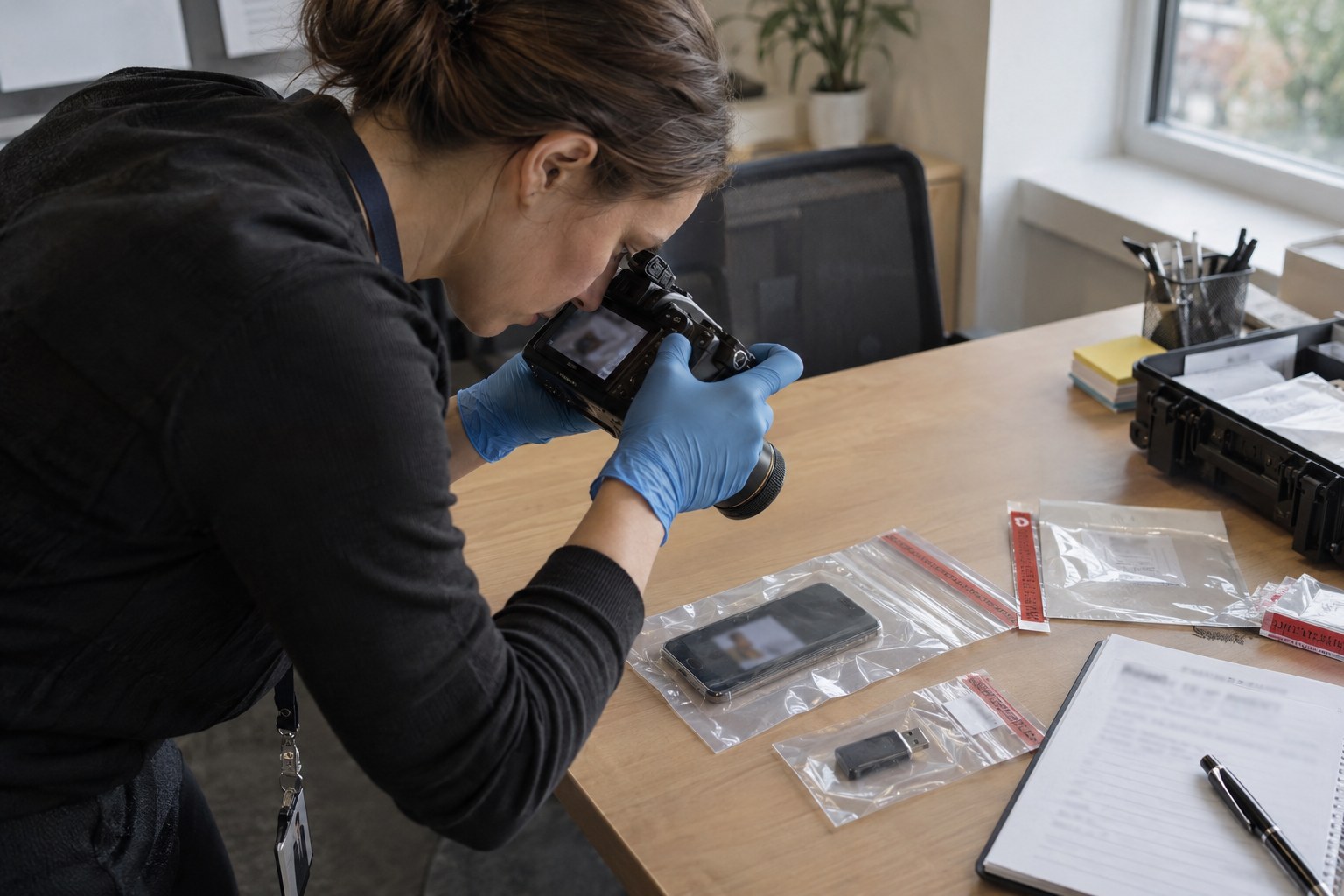
Consider a hypothetical assumption: a creator reports that a paid video appears on an unaffiliated file-sharing page. The operator first saves the page address, capture time, surrounding context, and an unaltered copy where lawful and appropriate. The media fingerprint and embedded account reference match an asset sold through the platform. Access logs show that subscriber A viewed it, but they also show an unfamiliar device session. That is a lead, not a verdict. The team invalidates exposed delivery authorization, preserves relevant logs under its retention policy, files a notice through the host's published process, and asks subscriber A to secure the account while a human reviews the evidence.
- Confirm that the reported material matches protected platform content.
- Capture evidence before the page, account, or file changes.
- Correlate watermark clues with entitlement, session, and delivery records.
- Contain active exposure without deleting evidence needed for review.
- Send a complete request to the service able to remove or disable access.
- Review the associated account for compromise, error, or repeated abuse.
- Tell the creator what was confirmed, what was attempted, and what remains uncertain.
This sequence separates facts from assumptions. A matching watermark can identify a delivered copy, but it does not prove who operated the account at the moment of redistribution. Automated suspension should therefore be reserved for clearly defined cases and include an appeal path. Legal requirements and notice procedures vary by service and jurisdiction, so counsel should review templates and escalation rules. The next action is to rehearse this sequence using a test asset and verify that each owner can retrieve the required evidence.
Where do anti-piracy controls fail or create new risks?
Controls fail when they treat every viewer as hostile, collect data without purpose, or confuse correlation with proof. The strongest design protects creator revenue while preserving legitimate access, privacy, and appeal rights.
Visible marks can be cropped. Personalized marks can expose account identifiers if designed carelessly. Browser restrictions can frustrate accessibility tools yet still lose to an external camera. Device fingerprinting can misclassify families, travel, shared networks, or privacy-conscious users. Broad crawling can miss closed groups and may encounter material the team should not retain. Takedown requests can also target commentary, licensed use, or content the creator does not exclusively own. Before launch, document ownership and permissions during the creator onboarding workflow, define a lawful basis and retention policy for investigative data, and require human review before punitive action.
- Use lighter controls for promotional media intended to travel widely.
- Avoid displaying email addresses, legal names, or raw account IDs in watermarks.
- Provide an accessible path when protection technology blocks legitimate playback.
- Separate suspected compromise from deliberate redistribution.
- Confirm ownership, licenses, territory, and authorization before asserting a claim.
- Offer notice and appeal when account restrictions materially affect a customer.
The approach is a poor fit when the platform cannot establish rights to the content, cannot support investigations securely, or would spend more harming legitimate use than protecting the asset. It also cannot replace contracts, security engineering, privacy governance, trust and safety, or legal advice. A useful go-live test asks whether the team can explain every collected field, reproduce an entitlement decision, and reverse a mistaken sanction. If not, simplify the control or strengthen the operating policy before adding more surveillance.

How do you implement piracy protection without stalling the launch?
Implement the smallest complete chain first: rights documentation, entitlement enforcement, traceable delivery, incident intake, evidence preservation, takedown handling, account review, and creator updates. Then strengthen the points that actual incidents expose.
- Define ownership evidence, permitted uses, prohibited redistribution, privacy boundaries, and appeal rules.
- Map each media type to an access profile and confirm that backend delivery enforces entitlement.
- Add visible or account-linked watermarking where attribution justifies the complexity.
- Log the minimum events required to reconstruct delivery and protect those records.
- Create one intake route for creators, support staff, and monitoring alerts.
- Prepare evidence, notice, escalation, and repeat-offender procedures with legal review.
- Run a tabletop leak exercise and test the workflow on common customer devices.
- Track outcomes such as validated matches, removal status, false associations, and creator updates.
Put the workflow into the creator platform team structure rather than leaving it between engineering and support. Engineering owns delivery controls and reliable events; operations triages reports and maintains case records; trust and safety reviews account action; legal counsel validates claims and escalation rules; creator success communicates without promising an outcome it cannot control. A small company may combine roles, but it should not combine evidence collection and final judgment invisibly. The verifiable next action is a tabletop exercise that ends with a complete case record and a documented decision.
When selecting software, ask vendors to demonstrate authorization at the media layer, watermark configuration, exportable event records, role-based administrative access, and integration points for monitoring or case management. Confirm details rather than assuming that “secure streaming” covers them. Your broader white label vs custom vs no code creator platform decision should include the cost of operating protection after launch, not merely the presence of a feature checkbox.

Build monetization and protection as one operating system
Piracy controls work best when they sit beside the access, payment, moderation, and creator-management decisions that define the platform. Scrile Connect provides a white-label foundation for branded fan and subscription sites, including subscriptions, pay-per-view content, paid interactions, administrative tools, moderation support, and customization through integrations and custom features.
That foundation does not make content impossible to copy. It gives founders an owned platform on which the appropriate delivery, monitoring, evidence, and response controls can be specified for their content model. If you are evaluating an independent monetization product, review how the protection playbook fits the broader build described in onlyfans clone app development.
Frequently asked questions
Can a creator platform completely prevent content piracy?
No. Authorized viewers can still capture a screen or use another device. A realistic program deters casual copying, limits easy extraction, improves attribution, detects leaks, and makes response more consistent.
What type of watermark is best for paid creator content?
Use visible branding for deterrence and an account- or session-linked mark when attribution is justified. Do not expose personal information in the watermark, and test whether it survives ordinary resizing or capture.
Do download restrictions stop screen recording?
No. They reduce convenient file extraction but cannot stop an external camera and may not defeat every recording method. They should be paired with access checks, watermarking, logs, and response procedures.
What evidence should a platform collect after finding a leak?
Preserve the location, capture time, surrounding context, matching asset details, relevant watermark clues, and authorized access records. Keep originals separate from annotations and restrict access to sensitive evidence.
Should a suspected subscriber be banned automatically?
Usually not on a weak signal alone. A watermark or access event identifies a useful lead, but compromised accounts and shared devices can create misleading associations. Apply documented review, notice, and appeal rules.
How should creators be updated during a piracy incident?
Tell them what content was confirmed, what containment or removal steps were attempted, what decisions were made, and what remains uncertain. Avoid promising removal from every location or naming a culprit before review.
Does every creator platform need leak-monitoring software?
No. Monitoring should reflect content value, sensitivity, likely leak channels, and operating capacity. A focused manual process may suit an early platform, provided reports are handled consistently and evidence is preserved.
What should founders verify before buying an anti-piracy feature?
Verify media-layer authorization, watermark behavior, event availability, administrative permissions, privacy controls, accessibility impact, export options, and response integrations. Test the workflow with a realistic leak scenario.

Builds SaaS platforms for content creators, agencies, and entrepreneurs. Writes about the business mechanics behind creator-economy products and how custom software actually ships.