
by Polina Yan
Scheduling tools run half the modern service economy. Coaches, small clinics, tutors, wellness studios, and consultants rely on booking software to keep their calendars from collapsing. Acuity built a strong early lead, but 2026 looks different. The user base expanded, demands changed, and patience shrank. Across Reddit threads and review platforms, people describe the same friction: slow loading during busy hours, limited customization, and the sense that Acuity works best only if you stay inside the Squarespace ecosystem. That shift is why more teams compare Acuity alternatives before committing to another year.
Some want easier integrations. Others want better branding, smarter automation, or a tool that fits how they actually deliver services. This guide walks through the reasons users move on, the criteria that matter when choosing a replacement, the strongest options available, and what a custom-built solution can offer when ready-made tools can’t keep up.
Why Users Replace Acuity Scheduling
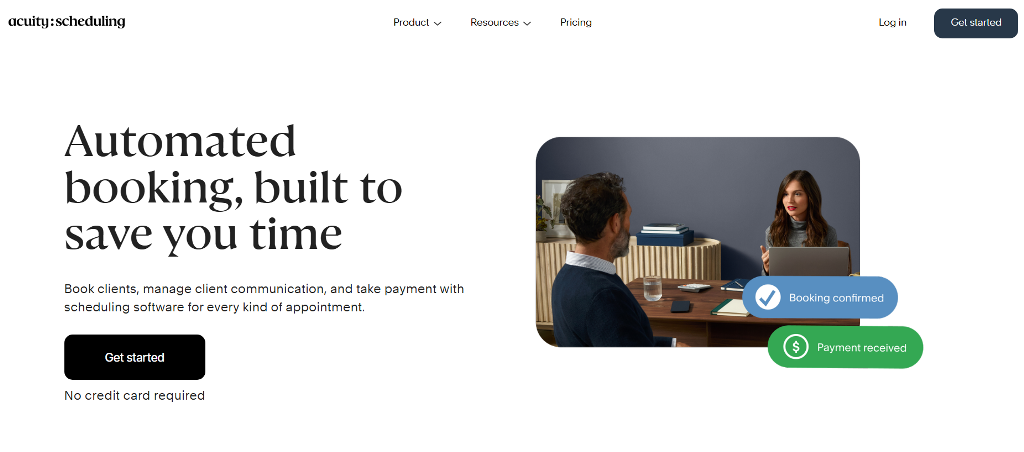
Acuity Scheduling has been around long enough to become the default choice for many small operations. The entry plan usually falls somewhere around $16 per month, with higher tiers reaching roughly $49 as more calendars and features get added. For a solo consultant, that’s manageable. Trouble appears once a business tries to scale or needs a workflow outside Acuity’s narrow lane.
A second piece of context matters here: Acuity became a Squarespace product after the 2019 acquisition. That shift worked well for users already building their websites on Squarespace, but it also created a wave of confusion. Some people search Squarespace Scheduling vs Acuity as if they were unrelated tools. Others ask is Acuity and Squarespace the same thing, trying to understand how tightly the two products overlap. The simplest way to describe it is this: Acuity lives in the Squarespace family, but it still behaves like its own standalone scheduler — with its own advantages and its own ceilings.
Once people look past the branding link, the same pressure points surface again and again:
- Automation runs out of room. Reminders and basic follow-ups exist, but anything beyond simple sequences requires workarounds.
- Branding tools feel thin. Businesses want booking pages that match their identity, not generic forms with basic color swaps.
- Team scheduling becomes pricey. As more calendars get added, the overall subscription jumps fast, pushing people toward tools listed as Acuity Scheduling Competitors.
- Multi-location logic is limited. Clinics, salons, and coaching groups often need resource rules, roles, and complex timetable management. Acuity doesn’t stretch far.
- Squarespace users feel boxed in. Some stay only because it’s bundled. When they try to migrate, the ecosystem makes it harder than expected.
User Pain Points Surfaced Across
The finer details matter even more. Many reviews mention lag during peak usage, confusing time-zone conversions for international clients, and shallow intake form controls. Those issues sound small until they hit real business scenarios.
A yoga studio needs strict class-size limits and waitlists. A consultant juggling different services wants separate intake steps for each. A clinic needs layered permissions so staff only see their own schedules. When these needs collide with Acuity’s ceiling, the workflow breaks. That is the moment people start looking for Acuity alternatives that match the complexity of their daily work instead of forcing them into rigid templates.
How to Evaluate the Right Alternative
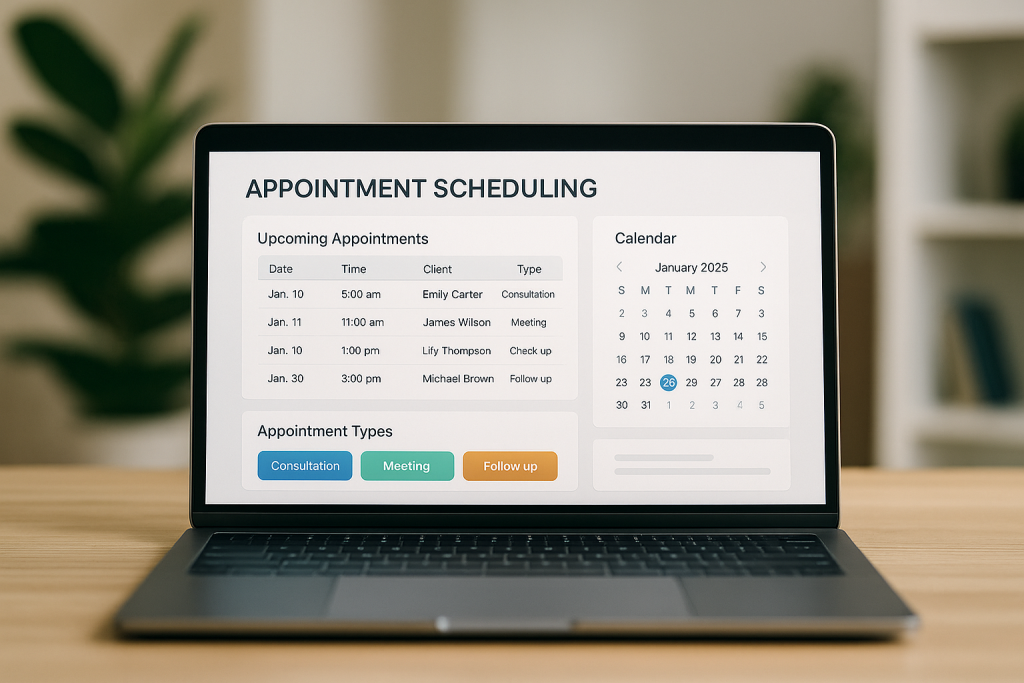
Once a team decides to move on, comparing tools becomes overwhelming. Websites pitch similar features, and marketing copy hides the details that matter. These points help filter the noise when reviewing Alternatives to Acuity Scheduling.
Pricing logic defines long-term cost. Some tools charge per staff member. Others price by feature tier. A business with ten calendars will feel a per-seat plan immediately, while a solo operator won’t.
Integration depth shapes workflow. Strong options sync cleanly with Google Calendar, Outlook, Stripe, PayPal, or CRMs. Teams using Zoom or Microsoft Teams need native video integrations, not meeting links pasted manually.
Automation determines how much the tool actually saves time. Good alternatives can handle follow-ups, reminders, cancellations, and sequences that change depending on the service.
Branding and white-labeling influence client perception. Some businesses need a booking page that looks like part of their site—not an embedded widget with limited styling.
Data ownership and export rules matter more than people expect. Vendors that lock down exports create headaches later. Good platforms let teams back up client lists, booking records, and financial reports without obstacles.
Vendor lock-in is a real risk. Some tools work beautifully until a team needs something slightly unusual. If the platform can’t bend, the business ends up switching again.
With these factors in mind, evaluating Acuity alternatives becomes far more honest and less about shiny features.
The Top Acuity Alternatives for 2026
Choosing between the many Acuity Alternatives can feel messy until you compare them in a structured way. Different tools work better for different rhythms: some are built for speed, some for teams, some for people who need fine-tuned branding. Below are five options worth looking at in 2026, each with a clear purpose and transparent pricing so you can decide which one genuinely fits your workflow.
Calendly
Best for: professionals and teams who want quick scheduling with minimal setup.
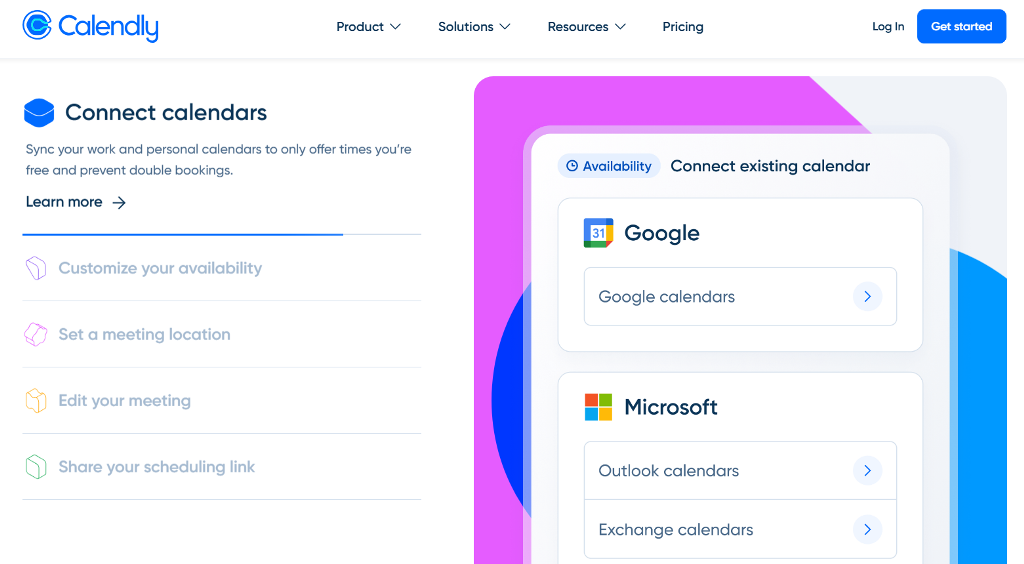
Calendly built its reputation on simplicity. You pick your availability, share a link, and clients book without friction. It supports Google and Outlook calendars, plugs into Zoom and Teams, and includes automatic reminders. The tool works especially well for consultants, recruiters, and sales teams that rely on fast back-and-forth scheduling.
Pros:
- Very fast initial setup.
- Large integration library.
- Clean booking pages with predictable behavior.
Cons:
- Branding options feel limited.
- Not ideal for service providers who need intake steps or questionnaires.
Pricing: starts with a free plan; paid seats typically fall into the $10–$16 range.
One of the clearer Acuity scheduling alternative options for straightforward workflows.
Microsoft Bookings
Best for: teams inside Microsoft 365, HR departments, clinics, and corporate training operations.
Bookings works well because it fits naturally into the Microsoft ecosystem. If a team already uses Outlook, Teams, OneDrive, or SharePoint, setup feels almost seamless. Admins can manage staff calendars, service types, and permissions from one interface. Video calls integrate directly into Teams without extra work.
Pros:
- Strong fit for enterprises and corporate teams.
- Deep integration with Outlook and Teams.
- Useful for multi-staff environments that require internal permissions.
Cons:
- Confusing for freelancers or small service providers.
- Customization is limited compared to more flexible tools.
Pricing: included in many Microsoft 365 Business subscriptions; some plans cost $6–$22 per user depending on region and licensing.
Great option for organizations already anchored in Microsoft workflows.
Zoho Bookings
Best for: service teams, coaches, educators, and growing businesses that want automation depth without enterprise pricing.
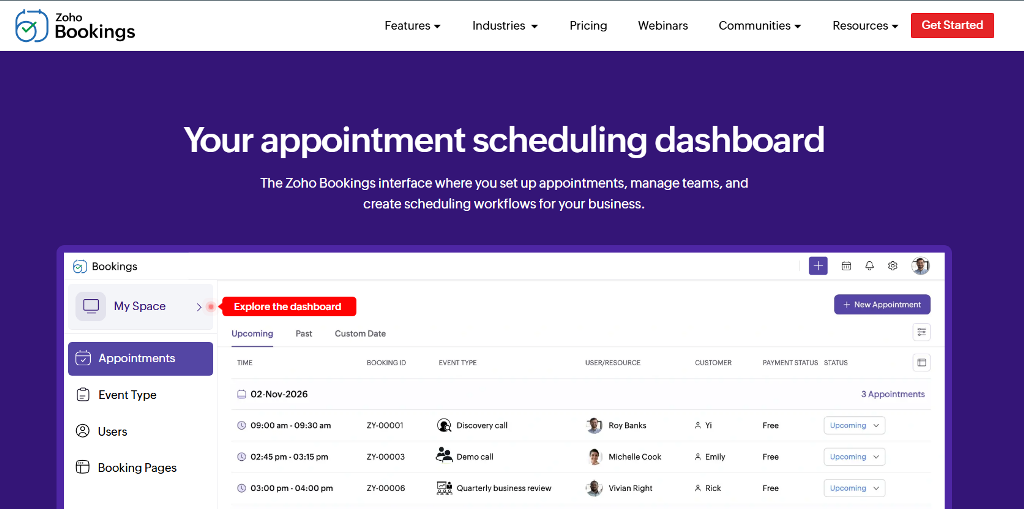
Zoho Bookings benefits from living inside the broader Zoho suite. Teams can link scheduling with CRM, invoicing, campaigns, and helpdesk tools. Workflows support conditional logic, customized intake, and reminders tied to different service categories.
Pros:
- Automation that adapts to varied appointment types.
- Strong connections to Zoho CRM and external calendars.
- Affordable for multi-staff setups.
Cons:
- UI takes time to master.
- Branding tools are solid but not limitless.
- Sync delays occasionally appear when using many Zoho apps at once.
Pricing: plans range from $6 to $9 per user/month.
Zoho is a strong choice for teams that want deeper workflows without jumping into more expensive enterprise platforms.
Setmore
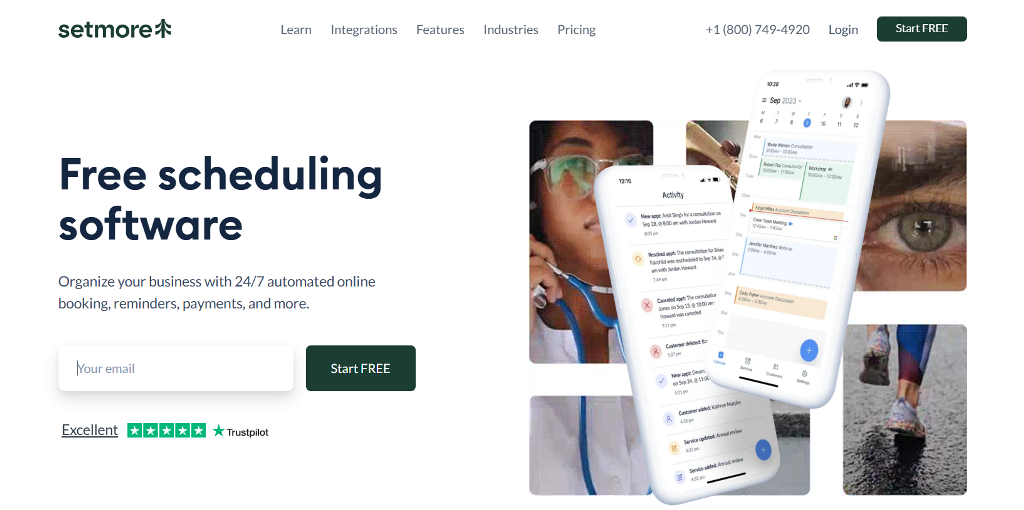
Best for: barbers, fitness coaches, massage therapists, and other small operations that want simple booking with a professional touch.
Setmore is known for its generous free tier and easy learning curve. It connects with Facebook and Instagram, letting clients book directly through social profiles—useful for small businesses that don’t rely on heavy websites. Its appointment pages feel clean and mobile-ready.
Pros:
- One of the best free plans in the category.
- Social media booking tools built in.
- Simple interface that doesn’t overwhelm new users.
Cons:
- Reporting and analytics stay fairly light.
- Limited customization for advanced workflows.
Pricing: free tier available; paid plan lands around $5–$12 per user/month depending on the billing cycle.
Among the most straightforward Acuity alternatives for small, fast-moving service providers.
YouCanBookMe
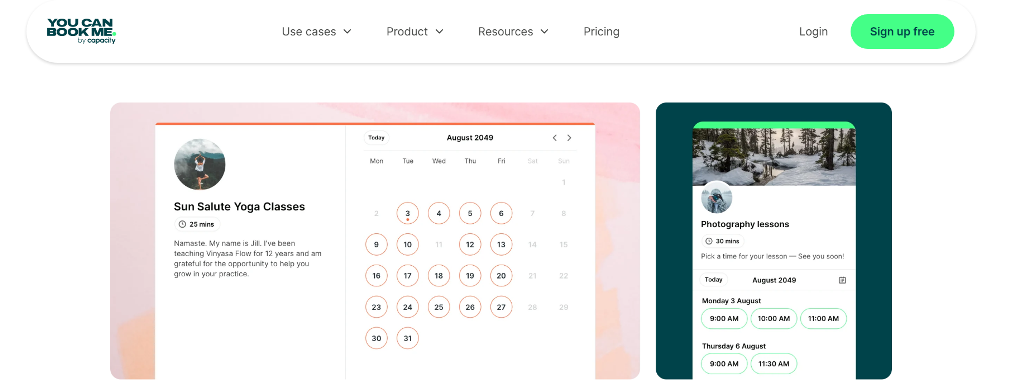
Best for: educators, consultants, freelancers, and teams that want calendar-driven booking with strong personalization.
YouCanBookMe focuses on customization inside a simple framework. Users can adjust text, layout, email templates, and time-slot rules without touching code. It shines in environments where tight syncing with Google or Outlook matters more than complex automation.
Pros:
- Excellent email and template personalization.
- Intuitive time-slot control.
- Reliable calendar syncing.
Cons:
- Not built for complex multi-location scheduling.
- Limited workflow automation.
Pricing: typically $7–$14 per calendar/month, depending on billing cycle; free plan is available.
A strong pick for teams reviewing Acuity Scheduling Alternatives that emphasize communication over heavy operational structure.
Create a Turnkey Online Booking System With Scrile Connect
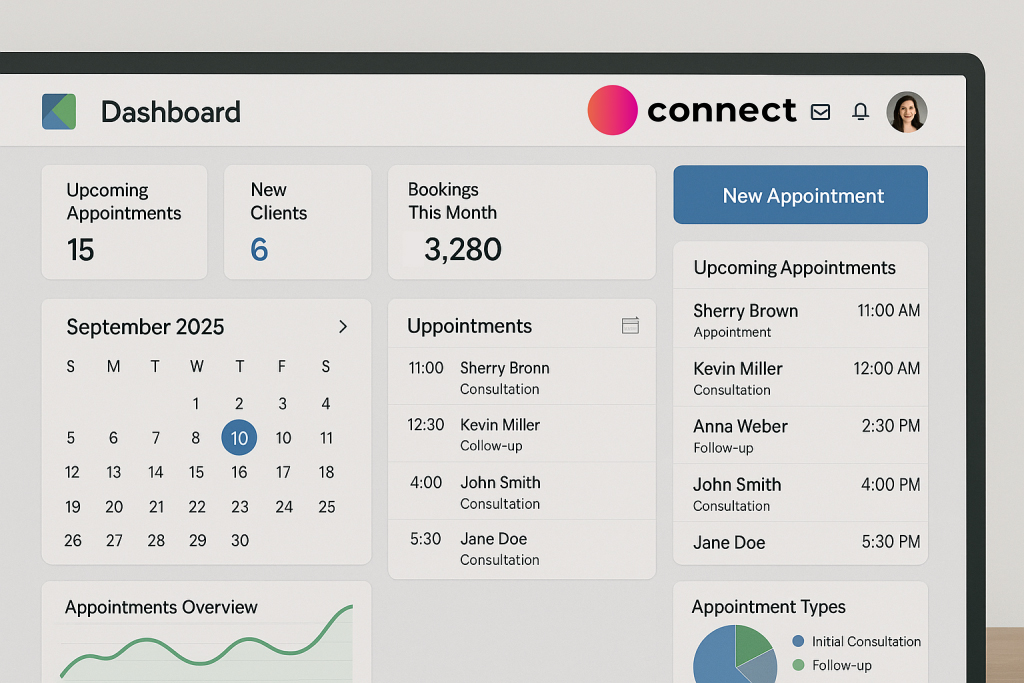
All the tools above solve scheduling in their own way. They work best when a business fits the mold they were built for. But many teams don’t. They run unusual appointment types, manage multiple service layers, or need a branded client experience that prebuilt software can’t offer. That’s where Scrile Connect comes in—not as another booking app, but as a custom-built system shaped around the business itself.
Scrile Connect is a development service, not a SaaS subscription. The team builds a private scheduling platform with the exact features a business needs: unique intake flows, multi-role dashboards, resource-based scheduling, class and group booking logic, membership areas, integrated payments, messaging, or anything else required. Because everything is custom, there are no constraints on layout, branding, automation, or workflows.
Key advantages:
- Custom UI and branding that match the business perfectly.
- Scheduling flows built from scratch for the service type.
- Payment logic, subscriptions, bundles, or credit systems.
- Multi-staff permissions, internal notes, and audit tools.
- API-based structure for future integrations and expansion.
- Full data ownership with no platform lock-in.
For businesses that outgrow Acuity—or any replacement—Scrile Connect offers a way to build an alternative to Acuity Scheduling that truly fits how the team works.
Conclusion
The market for scheduling tools is broader than ever, with Acuity Alternatives available for nearly every business stage and need. From simple booking apps to robust client management systems, the right solution depends on your goals and workflow. When out-of-the-box tools no longer fit, custom development becomes the smartest next step. Scrile Connect offers tailored platforms designed to scale with your business.
Explore what Scrile Connect can build for you — and move beyond limitations.
FAQ
What’s better than Acuity Scheduling?
Different tools excel in different areas. Calendly handles quick booking; Microsoft Bookings works well inside corporate Microsoft 365 setups; Zoho Bookings adds automation and CRM links; YouCanBookMe focuses on personalization; Setmore gives small businesses an easy free option. These are the main competitors among modern Acuity alternatives, and the right choice depends on the workflow.
Is there a free version of Acuity Scheduling?
Acuity doesn’t offer a permanent free plan, but new users get a free trial. It’s enough to test basic booking, reminders, and calendar syncing before committing to a paid tier.
Is Calendly or Acuity better?
Calendly fits teams that want fast, simple scheduling with clean integrations and minimal setup. Acuity suits people who need packages, memberships, or deeper client management.
Polina Yan is a Technical Writer and Product Marketing Manager, specializing in helping creators launch personalized content monetization platforms. With over five years of experience writing and promoting content, Polina covers topics such as content monetization, social media strategies, digital marketing, and online business in adult industry. Her work empowers online entrepreneurs and creators to navigate the digital world with confidence and achieve their goals.
by Polina Yan
Live streaming isn’t limited to one industry or audience anymore. It’s used by everyone — from teachers running virtual classrooms, influencers hosting fan events, and content creators launching pay-per-minute shows, to large-scale streaming services and global tech companies powering massive live broadcasts. The demand for real-time connection is universal, and behind many of these experiences, one protocol quietly continues to do the work: RTMP.
So, what is RTMP protocol, and why is it still trusted in 2026?
Despite its age, RTMP remains a go-to method for getting video from source to server — fast, stable, and widely supported. In this guide, we’ll unpack how it works, where it fits in today’s tech landscape, and how you can use it to build your own streaming platform — whether you’re launching a niche startup or architecting a large-scale service.
RTMP Demystified: What It Does and How It Works
RTMP stands for Real-Time Messaging Protocol, and while it’s an oldie, it remains one of the most reliable building blocks in live video workflows. Macromedia developed RTMP in the early 2000s to stream audio, video, and data over the internet, and Adobe later adopted it. The protocol primarily served Flash-based playback. While Flash itself is no more, the protocol it used isn’t.
What keeps RTMP relevant in 2026 isn’t nostalgia. It’s usefulness. RTMP creates a long-duration TCP connection between the source (usually a live encoder) and the server. That is, rather than pushing bits of data, as more modern HTTP-based protocols do, RTMP has a steady, low-latency stream of information. It’s a continuous feed that works particularly well when timing matters — like live events, real-time interaction, or performance-based content.
RTMP’s Role in the Contribution Workflow
Most of the time, platforms used RTMP at the contribution stage to transfer content from the broadcaster to an RTMP streaming server.From there, other technologies (like HLS or WebRTC) typically take over to deliver the content to end viewers. RTMP still dominates this ingest phase because it’s fast, reliable, and widely supported across encoders like OBS, vMix, Wirecast, and even hardware streaming tools.
Here’s how a simple RTMP stream setup looks:
- A live camera feed is captured through an encoder
- The encoder pushes that stream using RTMP to a streaming server
- The server then handles playback distribution using HLS, WebRTC, or both
Another reason RTMP persists is how well it performs under poor network conditions. It’s not the most modern option, but it’s incredibly stable and easy to deploy — two traits that matter a lot when you’re dealing with unpredictable connections or limited budgets.
Of course, not everything about the original protocol fits today’s standards. That’s where RTMPS comes in. If you’re wondering what is RTMPS, it’s simply RTMP secured through SSL/TLS encryption. The encrypted variant is especially useful for platforms handling sensitive data, adult content, or private pay-per-view events. It ensures your stream can’t be easily intercepted or hijacked mid-transmission.
Maybe it’s no longer the technology powering your playback, but it’s still the protocol quietly handling the heavy lifting when your content first leaves the source — and for many streamers, that’s the most critical moment.
RTMP in 2026: Still Relevant or Outdated?

Developers designed RTMP long before smartphones and 5G entered the picture, but it’s still widely used. While it might seem outdated compared to newer streaming protocols, the RTMP protocol continues to play a vital role in modern live video workflows. It remains especially popular for getting a live video feed from the source — your encoder — to the server before it’s sent to the audience.
One reason it’s still around is that it just works. RTMP has stood the test of time because it’s:
- Easy to implement and well-documented
- Low-latency, with faster delivery than chunk-based protocols
- Supported by nearly every software and hardware encoder on the market
These strengths make RTMP the go-to solution for the “contribution” part of streaming — that is, the link between your broadcasting software and the server. From there, many setups now use a second protocol like HLS or WebRTC to handle playback, especially for mobile and browser-based viewers. This hybrid setup — RTMP in, modern protocol out — has become standard practice.
In 2026, streamers and developers still choose RTMP because it’s stable, flexible, and proven. It’s widely used in live cam platforms, coaching businesses, private membership-based streaming services, and even large-scale commercial platforms that want fast deployment and full control.
At the same time, infrastructure around RTMP is still evolving. Services like RTMP.pro now offer cloud-based RTMP ingestion, making it easier to build a modern workflow without sacrificing speed or reliability.
RTMP might not be the headline tech anymore, but it hasn’t gone away. For many use cases, it’s still the simplest and most dependable way to deliver real-time video from source to server — and that’s exactly what most streaming businesses need.
RTMP VS Other Protocols: Picking the Right Tool
When it comes to live streaming protocols, there’s no one-size-fits-all solution. Each has strengths and trade-offs, and choosing the right one depends on how you’re using it — whether you’re delivering to a global audience, operating a pay-per-minute cam site, or building a high-interaction virtual event platform.
Let’s break down how the RTMP protocol compares to three other common options: HLS, RTSP, and WebRTC.
RTMP VS HLS
This is one of the most common comparisons, especially for developers working on full-scale streaming platforms. The key difference? Many streaming workflows rely on RTMP for contribution, while HLS handles playback
RTMP sends video from the encoder to the media server. It keeps a persistent connection, which means low latency — often under 5 seconds, and in ideal setups, even lower. It is therefore an excellent choice for anything that involves real-time interaction, like live auctions, adult content streaming, or live chat-supported coach sites.
However, Apple developed HLS (HTTP Live Streaming) specifically to support scalable video delivery. It breaks up video into tiny pieces and sends them as HTTP, allowing for easy caching, worldwide distribution, and playing on nearly any device or browser. But it costs more in terms of latency: delays of 15–30 seconds are typical.
So comparing RTMP vs HLS, the rule is simple: utilize RTMP to feed content into the system in a hurry; utilize HLS to publish it in scale. Both are utilized by a lot of current streaming setups, which blend RTMP ingest with HLS delivery to strike a balance between real-time creation and level delivery.
RTMP VS RTSP
Another common comparison is RTMP vs RTSP. While they might sound similar, they’re built for very different things.
RTSP (Real Time Streaming Protocol) is often used in closed environments, like security camera systems, IP surveillance setups, or internal network video feeds. It supports real-time control — play, pause, record — which makes it great for video-on-demand or camera monitoring systems.
RTMP, in contrast, is more focused on delivering live video for web applications. It works better in browsers, integrates more easily with common encoders and CDNs, and is widely supported by public-facing streaming services. It’s also better suited to interactive live content, like virtual performances or monetized live chats.
So if you’re building a consumer-facing streaming site, RTMP protocol is generally the better choice. RTSP is fine for internal systems, but it’s rarely used in public streaming environments without complex configuration and support layers.
RTMP VS WebRTC.
WebRTC is the newest of the major streaming protocols and was designed for true real-time communication. It’s peer-to-peer, supports two-way audio and video, and delivers sub-second latency. On paper, it sounds like the perfect solution for any kind of live interaction.
But it comes with its own set of challenges. WebRTC is far more complex to implement and harder to scale without dedicated media servers. It also requires more resources from both the server and the viewer’s device. This makes it ideal for video conferencing or one-on-one chat, but not always the best choice for large public broadcasts.
RTMP, on the other hand, is easy to configure, works well with existing encoders, and can be scaled up using traditional media server setups. That’s why many developers don’t pick one — they combine both. RTMP handles content ingestion, and WebRTC delivers the final stream to users where latency needs to be as close to real-time as possible.
So RTMP is stable and easy to use. WebRTC is faster, but harder to manage. Use them together when your platform needs both simplicity and speed.
Who’s Still Using RTMP?

Despite being more than two decades old, the RTMP protocol continues to be part of the modern streaming stack — especially when it comes to contribution workflows. While newer protocols like HLS and WebRTC have taken over playback, RTMP still plays a critical role in getting content from creators to servers efficiently and reliably.
It’s not just legacy broadcasters keeping it alive. A wide range of industries and businesses continue to rely on RTMP in 2026 — from small startups to global-scale streaming platforms.
Most common use cases:
- Virtual event platforms. Companies hosting conferences, expos, or panel-style events often use RTMP for stable, scalable stream contribution before handing off to a CDN for global playback
- E-learning platforms. Schools, tutors, and educational creators use RTMP to feed live classroom sessions into learning management systems or interactive content portals
- Live music and entertainment. Small to mid-sized artists stream performances to fans via RTMP workflows, sometimes blending with HLS or WebRTC depending on viewer needs
- Gaming and esports. Niche platforms outside of Twitch often build on RTMP for broadcasting and commentary streaming setups
- Fitness and wellness sessions. Real-time yoga, personal training, or guided meditation classes often rely on RTMP to push high-quality video to their branded websites
- Corporate communications. Internal all-hands meetings or product launches can stream through private RTMP-based networks, bypassing public platforms for security
- Faith-based streaming. Churches, mosques, and spiritual communities use RTMP to broadcast services reliably without relying on external streaming apps
- Niche media hubs. Independent film festivals, regional news outlets, or cultural broadcasts often need fast, cost-effective streaming infrastructure
- Adult webcam sites. These platforms prioritize low latency and performance consistency, especially for private and group video chats. RTMP remains the protocol of choice for many cam businesses because it integrates smoothly with real-time chat and monetization features, without the overhead of more complex options.
For many of these use cases, understanding what is RTMP protocol helps explain why it remains the preferred choice when setting up stable, scalable live video systems. Whether you’re working with a global audience or a private subscriber base, RTMP offers the kind of stability and ease that still makes sense in 2026.
How to Set Up a Streaming Site with RTMP
If you’re planning to build your own streaming site — whether for gaming, coaching, events, or adult content — understanding how RTMP fits into the setup is essential. Even with all the newer protocols on the market, RTMP remains the fastest and most reliable way to get live video from your source to your server.
At a basic level, every RTMP-powered stream follows this path: Encoder → RTMP server → Viewer. The encoder captures and compresses your video. The RTMP server receives and distributes it. And the viewer accesses the stream through a compatible player — often using another protocol like HLS or WebRTC for playback.
To get started, you’ll need three core components:
- A live encoder (OBS Studio is the most popular RTMP streaming software and it’s free)
- A media server that supports RTMP (you can build one using the NGINX RTMP module or go with a hosted solution like Wowza or Nimble)
- A frontend player for your users, often embedded on your site via HTML5 with protocol fallback support
Setting up
When you understand what is rtmp protocol, setting up that flow becomes far less intimidating — it’s all about pushing content in and letting other tools handle the output. For site owners and creators, this setup is a smart entry point. It’s relatively inexpensive, the tech is mature and stable, and there’s a massive ecosystem of plugins, tutorials, and open-source tools to help you launch faster. Unlike more complex real-time protocols, RTMP doesn’t require specialized hardware or deep networking knowledge to configure.
Some tips for getting started:
- Start with a test stream using OBS to a local or cloud-based RTMP streaming server
- Use a player that supports multiple protocols so you can serve viewers using HLS or WebRTC while still relying on RTMP for contribution
- Monitor stream quality closely — especially audio sync and latency — during early tests
- Keep bandwidth and server specs in mind; your ingest server needs enough resources to handle incoming video without lag
RTMP might not be your end-to-end solution, but as the core of your live video pipeline, it remains a powerful and proven way to get a streaming platform up and running.
Why Scrile Stream Is Ideal for RTMP-Based Streaming Sites
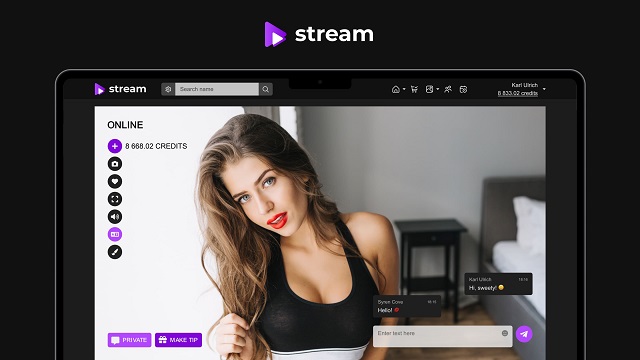
When building a live streaming business, the biggest challenge isn’t just getting video online — it’s creating a platform that reflects your goals, brand, and audience. That’s exactly where Scrile Stream stands out. It’s not a generic SaaS product or limited turnkey platform. Scrile Stream is a custom development service built to help you launch a fully branded, fully owned live streaming site — with RTMP integration at its core.
Unlike pre-packaged tools that box you into templates, Scrile Stream gives you complete flexibility. Whether you’re planning a pay-per-view concert site, a high-end private coaching platform, or a full-featured adult cam business, it’s built around your specific needs.
Scrile Stream includes:
- Live video functionality with support for RTMP streaming server input
- Real-time chat systems for audience interaction and private messaging
- Flexible monetization features: tips, subscriptions, pay-per-minute video, and premium galleries
- Full white-label branding, from logo and colors to custom domain integration
- An admin dashboard for managing users, content, and revenue in one place
RTMP remains one of the best options for ingesting live content — and Scrile Stream is built to support that. You can use any RTMP streaming software to send your stream to the platform. From there, Scrile Stream handles everything else: content delivery, viewer access, payments, and real-time features.
You also get the freedom to scale. Start lean, then add custom features or integrations as your business grows — payment gateways, affiliate systems, mobile optimization, or anything else your audience needs.
If you’re serious about building a professional streaming site from scratch — with full control over how it looks, works, and earns — Scrile Stream gives you the foundation, tools, and development muscle to make it real. RTMP gets the content in; Scrile Stream helps turn that content into a business.
Conclusion
RTMP remains a reliable backbone for streaming input — fast, stable, and widely supported. It’s still the go-to for creators who want to build and own their platform. Ready to turn live video into a real business? If you’re still asking what is RTMP protocol and whether it belongs in your stack, the answer is yes — especially if you’re planning to own your platform end-to-end. Contact the Scrile Stream team and start building something that goes beyond just broadcasting.
Polina Yan is a Technical Writer and Product Marketing Manager, specializing in helping creators launch personalized content monetization platforms. With over five years of experience writing and promoting content, Polina covers topics such as content monetization, social media strategies, digital marketing, and online business in adult industry. Her work empowers online entrepreneurs and creators to navigate the digital world with confidence and achieve their goals.

by Polina Yan
The online coaching market is estimated at $7.3 billion in 2026 and is expected to surge to nearly $26 billion by 2032, making it one of the fastest-growing sectors in the digital economy. People now turn to digital coaches for everything: fitness plans, business growth, career changes, language learning, even adult guidance.
If you’ve been thinking about how to start an online coaching business, the conditions are finally lined up. Remote work made video calls second nature. Payment systems are simple enough that clients from any country can subscribe in minutes. And audiences are more willing than ever to invest in expertise that feels personal.
In this article, we’ll map out the essentials: how to choose a niche, set up the business side, build a digital presence, deliver value online, and scale when the first clients come in. By the end, you’ll know what it takes to launch in 2026.
Why Coaching Thrives in 2026

Look around and it’s clear: people are spending more money on guidance than ever. Market research puts coaching in the multi-billion range, and the curve is still climbing. The interesting part is how wide the field has become. Ten years ago, most people thought of coaching as either business or fitness. Now, it stretches across dozens of professions, with real clients paying for one-on-one time online.
Some of the strongest niches right now are:
- Tutors and teachers supporting students after school or preparing for exams.
- Wellness and nutrition consultants building structured meal and lifestyle plans.
- Astrology and spiritual mentors giving personalized readings and advice.
- Life coaches helping with career moves or building confidence.
- Fitness trainers running workouts over video with tracking and accountability.
For anyone asking how to start online coaching, this diversity is the real gift. You don’t have to chase the same crowded categories as everyone else. The market rewards specialists, people who bring expertise and package it in a way that feels personal and practical.
Defining Your Niche and Value

Specialization isn’t about boxing yourself in — it’s about making it clear why someone should hire you instead of scrolling past. The online coaching space is crowded, and the easiest way to stand out is by carving a narrow lane that highlights both your skills and your personality.
Start by asking yourself two questions: What do I know well enough to teach or guide? and Who actually needs this right now? The sweet spot is where those answers overlap. For example, a certified nutritionist might narrow down to busy professionals who struggle with meal planning. A lawyer might focus on helping small businesses draft their first contracts. A yoga teacher might turn her weekend classes into a stress-relief program for remote workers.
Testing demand doesn’t require big budgets. Run a poll in your existing network, offer a short free session, or post sample tips on social media and see who responds. If the engagement is there, you’ve got proof that people care about the problem you’re solving.
Value comes from clarity. When a potential client lands on your page, they should immediately know what problem you solve and how you deliver it. Broad promises like “I’ll help you live your best life” don’t move the needle. Clear, specific offers — “I’ll help first-time managers lead their teams with confidence” — are what turn curiosity into paying clients. Your niche is the hook, and your value is how you prove it.
Setting Up Your Coaching Business Basics

Before you go live with your first client, it helps to treat your coaching idea like a real business from day one. That means putting some structure in place — nothing fancy, just enough to protect you and make payments smooth. Anyone exploring how to start a coaching business online will find these basics make the difference between a side hustle and something sustainable.
Things worth setting up early:
- Registering a business entity and opening a dedicated bank account so client payments don’t mix with your personal finances, and you can present invoices under an official name.
- Sorting out taxes and basic bookkeeping from the start so you know what percentage of your income to set aside each month instead of scrambling when deadlines arrive.
- Drafting simple coaching agreements or contracts that outline session length, cancellation rules, payment terms, and confidentiality. Clients respect clarity, and it saves headaches later.
Pricing models that work for coaches:
- Hourly sessions are straightforward but make scaling harder since your income is tied to time.
- Packages or bundles of sessions give stability, reduce cancellations, and create momentum for your clients.
- Subscriptions or retainers turn coaching into recurring revenue, rewarding consistency and freeing you from constantly chasing new clients.
These basics don’t take long to set up but will give your coaching work a professional backbone from the beginning.
Building Your Digital Presence

Once the paperwork is done, the real challenge starts: showing up online in a way that feels trustworthy. Anyone asking how to start an online coaching business needs more than a LinkedIn profile or a random Instagram account. You need a digital footprint that tells potential clients, “this is someone worth paying.”
That usually begins with a website. Keep it simple but professional — a homepage that explains what you do, a clear call to book a session, and a way to collect emails. From there, layer in branding: colors, photos, tone of voice. Consistency across your site and socials makes you look reliable, even if you’re just starting out.
Content is what drives people into your orbit. Blogs, short videos, or free webinars act as funnels, giving value upfront and pulling curious followers toward your paid offers. An email list turns those casual followers into a community you can reach without worrying about algorithm changes.
Tools worth focusing on:
- A clean website with booking and payment options.
- Social channels where your audience already hangs out, not where you feel you “should” be.
- Regular content — posts, videos, or podcasts — that teach something useful and hint at your paid services.
- An email list, even if it’s small, because subscribers are more likely to convert than casual followers.
Why Brand Matters More Than Reach
It’s easy to get obsessed with follower counts, but numbers don’t pay bills. A coach with 500 loyal subscribers and a clear brand can earn more than someone with 50,000 unengaged followers. People don’t buy coaching because you’re popular; they buy because you look credible, consistent, and aligned with what they need.
Choosing the Right Tech Stack

You don’t need to reinvent the wheel to coach online. At the simplest level, plenty of people run sessions on Zoom or Google Meet, take payments through PayPal, and schedule with Calendly. That setup can work fine for your first handful of clients. But if your goal is how to become an online business coach with a long-term brand, you’ll quickly notice the gaps.
The essentials are always the same:
- Video software that supports stable one-to-one or group sessions.
- Scheduling tools so clients can book without back-and-forth emails.
- Payment processing that works globally, including cards, wallets, or even subscriptions.
- Chat and messaging to keep communication alive between sessions.
SaaS platforms bundle many of these features, and they’re tempting because they let you start quickly. The trade-off is lack of control — you’re tied to their branding, their fees, and their feature set. A personal website stitched together with third-party tools gives you more flexibility but can feel clunky for clients if the systems don’t integrate smoothly.
Custom builds sit at the other end of the spectrum. They take longer to set up, but they give you complete ownership: your name on the interface, your payment flow, your rules. For some coaches, that level of control is what makes the difference between a side gig and a business that grows steadily year after year. The tech is there — the choice is about how far you want to take it.
Delivering Coaching Online
Once you’ve got clients through the door, delivery is where you prove your value. Online coaching isn’t one-size-fits-all — the best format depends on your style and what your audience expects. Some coaches thrive in one-on-one sessions, giving clients deep personal attention. Others prefer group programs, which create peer support and let you scale faster. Many blend both with hybrid models, combining live coaching with recorded lessons or worksheets.
Retention is just as important as the first sale. Clients stay when they feel supported and see progress. That requires structure, not just casual chats.
Engagement tactics that work well:
- Clear session roadmaps so clients know what’s coming next.
- Homework or follow-up tasks to keep progress moving between calls.
- Recorded replays for people who miss live sessions.
- Chat groups for accountability and peer interaction.
- Regular check-ins outside scheduled sessions, even short messages.
Clients who feel momentum are less likely to cancel. When they can see tangible outcomes — a new skill, a fitness milestone, a confident career shift — they tell others. Word-of-mouth is still one of the strongest growth drivers in coaching, and that starts with how you deliver.
Scaling Beyond the First Clients
The early months often feel like freelancing: hustling for clients, juggling calls, sending invoices. But once you’ve proven your model works, it’s time to think bigger. Learning how to start an online coaching business doesn’t end with your first paying clients — it’s about creating something that runs beyond you.
The next step is building community. A group space where members interact gives more value than one-on-one calls alone. Partnerships help too: teaming up with other coaches, influencers, or local businesses expands your reach without doubling your workload.
Revenue expansion comes naturally once the base is solid. Some coaches add subscription tiers, others launch digital products like courses or workbooks. A few move into retreats or high-ticket programs. Each step pushes you further from being a solo freelancer toward owning a coaching business that scales.
And it all ties back to that first question: how to start an online coaching business in a way that grows with you.
Scrile Meet: Built for Coaching Growth
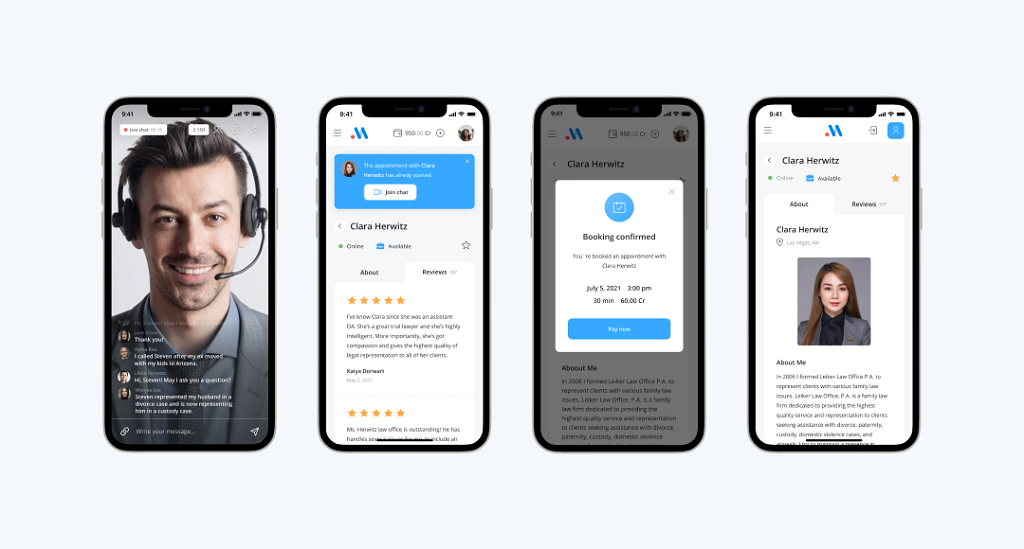
There comes a point where juggling Zoom, PayPal, and scheduling links starts to feel like patchwork. That setup works for a few clients, but once you begin to grow, the cracks show: missed bookings, clients confused about payment, and branding that feels like it belongs to someone else. This is where coaches discover that off-the-shelf tools are built for convenience, not for scale. If you want your coaching business to look professional, stay organized, and actually earn like a business, you need infrastructure that bends around your needs — not the other way around.
That’s where Scrile Meet comes in. Unlike pre-packaged platforms that force you into their templates and take a cut of your income, Scrile Meet is a custom development service. It’s designed to give coaches ownership, flexibility, and the chance to grow their work into a recognizable brand.
What Scrile Meet brings to the table:
- Full white-label branding with custom design so your clients only see your logo, your colors, and your name — no third-party banners reminding them they’re renting someone else’s system.
- Live video features for both one-on-one sessions and group calls, letting you choose the right delivery style without bolting on separate tools.
- Integrated booking and scheduling that syncs with your calendar, making it easy for clients to choose a time and reducing the endless back-and-forth emails.
- Direct payments wired straight to your account without middlemen fees, giving you predictable cash flow and full control over pricing.
- Flexible monetization models, from monthly subscriptions to pay-per-view access and premium content libraries, so you can experiment with different revenue streams under one roof.
- An admin dashboard with reporting and analytics that tracks revenue, client activity, and engagement — so you’re not guessing which part of your business works.
Why Scrile Meet Helps Scale Coaching
For anyone serious about how to start an online coaching business and move beyond freelancing, Scrile Meet acts like a foundation, not a patch. You’re not stuck with clumsy workarounds or losing money to transaction cuts. Instead, you’re building a branded coaching hub that’s flexible enough to grow and strong enough to last. This is the difference between coaching as a side hustle and coaching as a sustainable company.
Conclusion
Starting an online coaching journey in 2026 isn’t about luck — it’s about making deliberate choices. Pick a niche you can own, set up the business foundations early, build a digital presence that feels professional, and deliver coaching in formats that keep clients engaged. From there, scaling comes naturally through communities, partnerships, and additional revenue streams.
The one factor that separates short-lived projects from lasting businesses is the infrastructure behind them. Free tools are fine to test ideas, but sustainable coaching requires systems built for growth.
If you’ve been asking yourself how to start an online coaching business, the path is clear: strategy plus the right technology. Explore Scrile Meet service today to shape your coaching into a branded, scalable business without relying on clunky third-party platforms. It’s the step that transforms coaching from a side project into a sustainable company.
Polina Yan is a Technical Writer and Product Marketing Manager, specializing in helping creators launch personalized content monetization platforms. With over five years of experience writing and promoting content, Polina covers topics such as content monetization, social media strategies, digital marketing, and online business in adult industry. Her work empowers online entrepreneurs and creators to navigate the digital world with confidence and achieve their goals.
by Polina Yan
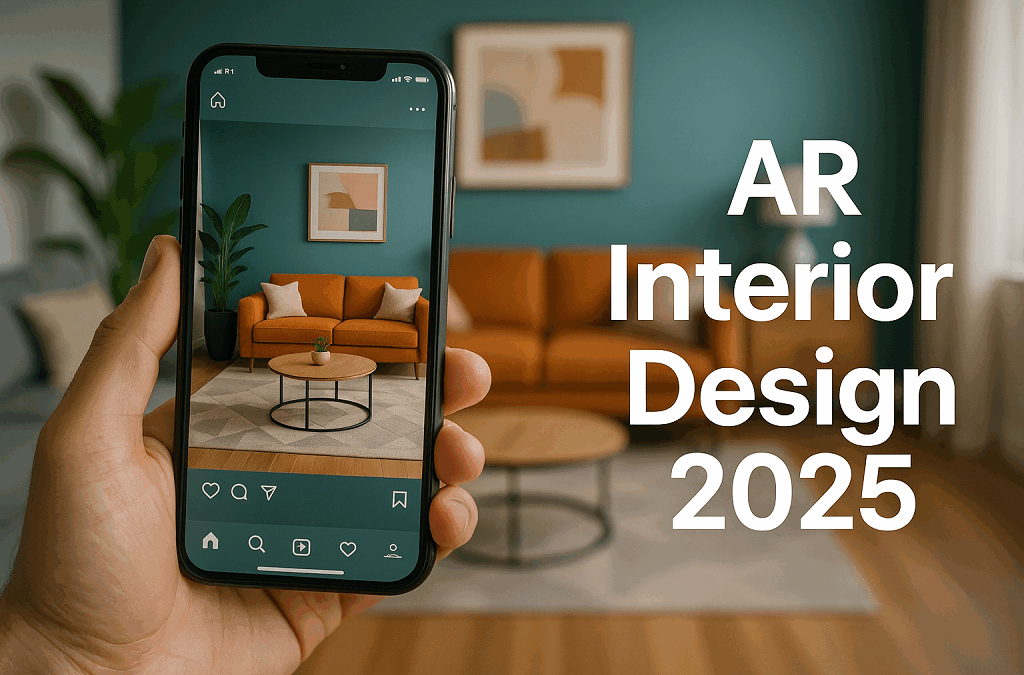
Designing a home used to mean imagination, sketches, and a lot of guesswork. Now, you can lift your phone, scan the room, and watch new furniture, lighting, and colors appear instantly. That’s the magic of AR interior design — a technology that turns empty rooms into interactive canvases.
By 2026, AR is no longer an experimental toy. Interior designers, furniture brands, and even DIY homeowners rely on it to plan spaces that actually work. Augmented visuals reveal proportions, color balance, and flow in real scale, helping people make confident decisions before a single purchase.
This guide explores how AR reshapes the design process — from AR room design tools that simplify client work to full-scale business apps that bring 3D creativity into everyday life. You’ll also learn how Scrile AI helps studios and startups build their own AR design solutions from the ground up.
Why AR Has Become the Standard in Interior Design

Interior design has always been about visualization. It began with pencil sketches, moved to computer-generated 3D renders, and now stands in the era of interactive overlays that merge the digital with the real. With AR home design, clients can finally see what a concept will look like in their actual rooms, not just on paper or screen.
The appeal is simple: less imagination, more accuracy. Designers don’t have to rely on mood boards or verbal explanations; they can show the transformation live. Clients walk into their living rooms and instantly view how a new sofa fits, how colors change the atmosphere, or how lighting shifts the mood. It’s practical, visual, and persuasive.
The augmented reality home design market is growing fast. Analysts predict that by 2030, the combined AR/VR design sector will be worth tens of billions. The reason is efficiency. AR cuts revision cycles, lowers material waste, and allows teams to finalize layouts in hours instead of days. It’s no longer a futuristic concept but an everyday design tool — used by professionals who value precision and by homeowners who just want to get things right before buying.
How AR Changes the Client Experience
AR changes how people understand space. Through an app, clients can walk around a room, rotate furniture, and swap color palettes in real time. They can even change flooring or wall textures while standing in the same physical spot.
Designers use AR room design tools to showcase multiple versions of a project without moving a single object. For larger projects, AR house design software allows real estate professionals to stage full properties virtually, helping buyers and renters imagine potential renovations.
One design studio, for example, uses AR projection to show clients how sunlight moves through a kitchen during the day. It’s a small demonstration that builds trust — and a big reason AR now defines how modern interior design gets done.
Core Technologies Powering AR Interior Design
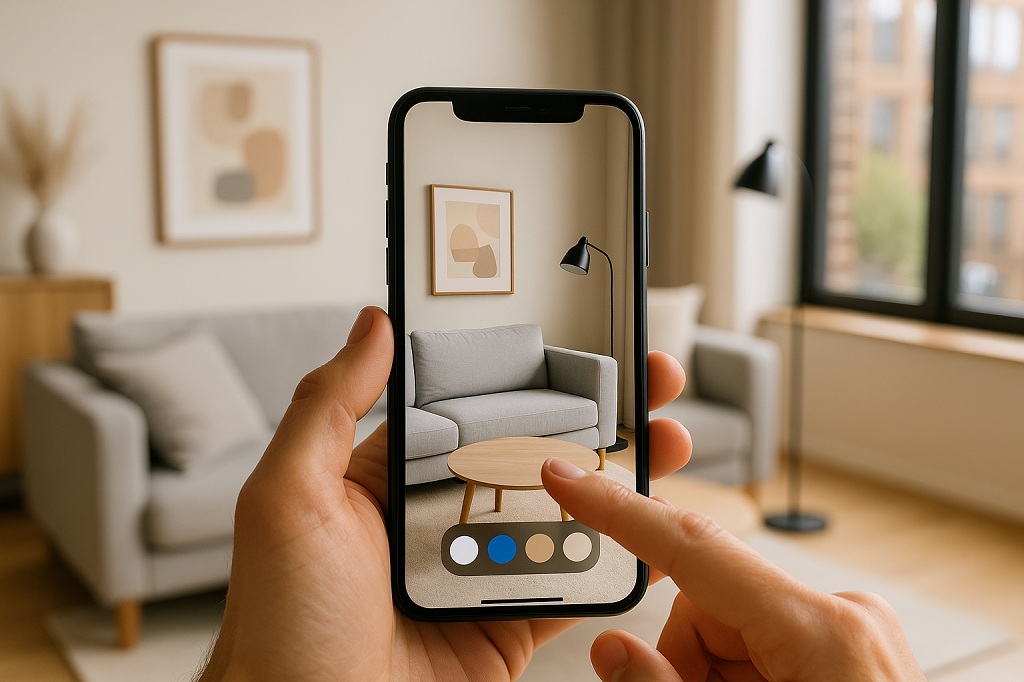
You don’t need fancy headsets or studio gear to use AR design anymore. Most of it now runs on phones and tablets. The same camera that takes your selfies can map walls, measure corners, and drop a virtual sofa right where it belongs.
There’s also a new wave of web-based AR. These versions run straight from a browser, no downloads required. For designers and retailers, it means fewer steps between showing and selling. A client can tap one link and see a full design appear inside their own living room.
Modern AR apps rely on a mix of sensors, frameworks, and rendering tools that make everything look believable.
- ARKit and ARCore – the base technology for iOS and Android tracking, handling surface detection and scaling.
- LiDAR sensors – send laser pulses to capture precise depth data, crucial for accurate placement and measurements.
- Depth mapping and photogrammetry – rebuild rooms as 3D models, including light and surface texture.
- echo3D and Unity – manage 3D rendering, spatial anchoring, and cloud-based visualization.
- Cloud anchors and shared maps – allow multiple people to see the same digital layout in one room.
- AI scene recognition – helps detect walls, furniture, and room types to keep proportions right.
- WebAR engines – power browser-based AR experiences without any app install.
Examples of Popular Solutions
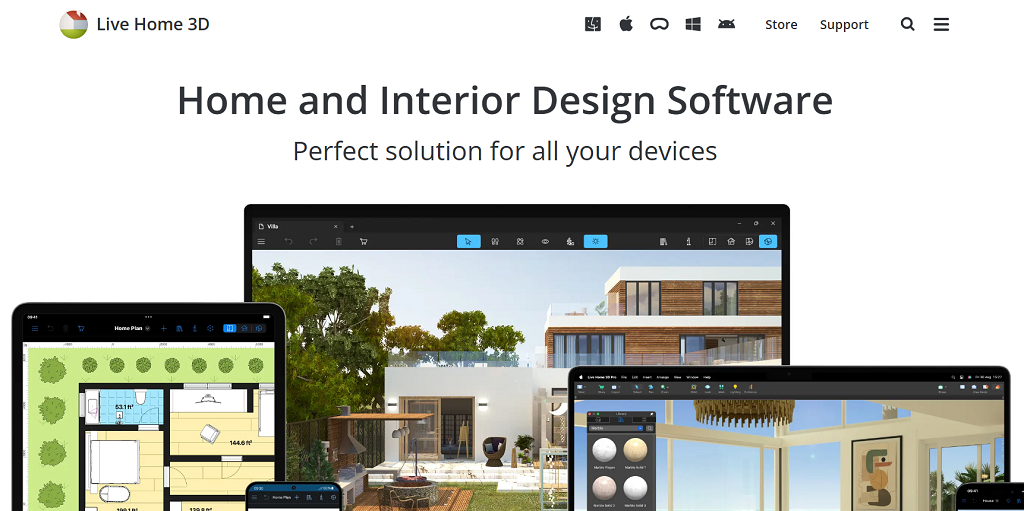
Once people got comfortable using AR for simple room previews, a wave of polished apps followed. Each one found its niche — from fast home makeovers to full architectural visualization. These are the tools shaping AR interior design in 2026.
- LiveHome3D — professional-grade software that blends floor planning, 3D modeling, and AR walkthroughs. It’s popular among studios that need to show layouts and lighting before construction begins.
- Houzz — part catalog, part AR viewer. It lets users browse furniture and instantly project it into their living rooms to compare materials and colors.
- IKEA Place — made for simplicity. Scan the space, pick an item, and view it in true scale — ideal for everyday buyers testing fit and style.
- Morpholio AR SketchWalk — used by designers to walk clients through projects. They can adjust walls or textures right inside the virtual room.
- echo3D — a backbone for many AR apps. It handles 3D rendering, syncing, and cloud storage so multiple users can view the same layout in real time.
- Spacely AI — one of the newest entries in augmented reality home design. It suggests furniture placement and color palettes automatically, using AI to make spaces feel balanced..
These tools make AR design easy to trust. They let people experiment with style, structure, and scale while seeing every change unfold inside their actual homes.
Monetization Opportunities for Studios
For many studios, AR interior design started as a way to impress clients. Then they realized it could earn money on its own. When people see results right in front of them — not as sketches but as full-scale visuals — they’re more likely to commit. AR isn’t just a design preview anymore. It’s a service model that builds trust before a project even starts.
Design firms now use AR to package new kinds of offers:
- Subscription-based access. Clients pay a monthly fee to use interactive 3D previews and experiment with layouts at home.
- Paid design templates. Digital catalogs of pre-modeled furniture, wall textures, or lighting setups can be sold as ready-to-use assets.
- Consultation upgrades. Instead of sending 2D renders, studios can charge extra for live AR sessions — clients walk through their future space while the designer explains every detail.
- Virtual staging services. Real-estate agents or homeowners pay to showcase a property using AR previews that make empty rooms look furnished.
For design firms ready to create their own branded AR experience, there are flexible ways to build it — customized interfaces, subscription models, and secure payment systems can all come together under one tailored solution.
Create an AR App for Interiors with Scrile AI

After exploring popular tools, it becomes clear that most ready-made apps only go so far. They work for basic previews but fall short when a studio wants to stand out — with its own branding, features, and revenue system. That’s where Scrile AI comes in.
Scrile AI isn’t a plug-and-play app builder. It’s a custom development service that helps studios and design businesses build full-scale digital products. Every part of the system — visuals, chat, payments, analytics — can be adapted to match the way a company works.
Unlike generic AR kits, Scrile AI focuses on personalization, privacy, and long-term ownership. You decide what data stays private, how your clients interact with the tool, and which features drive profit. Designers can request 3D room scanning, in-app chat for consultations, video previews, or integrated payment gateways. It’s built to match your workflow, not the other way around.
Scrile AI enables:
- Building a full AR interior design or visualization app from the ground up.
- Integrating chat, video, and community spaces for real-time client collaboration.
- Adding secure payments, subscriptions, and analytics dashboards.
- Maintaining complete control over code, data, and interface design.
For studios, this means scalability without compromise. You can start small — maybe with a simple AR preview app — and expand it later into a full ecosystem for clients and designers. Each feature grows with your business instead of locking you into someone else’s framework.
Scrile AI gives creative teams what they’ve been missing: freedom to shape technology around design, not the other way around. It’s a long-term foundation for studios that want to own their tools, their brand, and their future.
Conclusion
AR interior design is no longer a novelty — it’s a core part of how modern studios work and sell ideas. It blends creativity with precision, turning imagination into something clients can see and trust. Success now comes from realism, ease of use, and interactive detail.
For studios, the real growth starts with ownership. Scrile AI helps teams build their own AR tools — fully branded, scalable, and designed for long-term profit.
Contact the Scrile AI team and bring your AR design vision to life.
FAQ
What is AR in interior design?
AR interior design projects digital furniture, decor, and lighting into real rooms using a phone or tablet. It helps clients visualize layouts, test styles, and make confident choices before buying or renovating.
Is there a free AI for interior design?
Yes. Spacely AI lets users upload room photos and get instant design suggestions for free. It’s beginner-friendly and ideal for experimenting with furniture, lighting, and colors.
What is the VR app for interior design?
Live Home 3D creates detailed virtual home models for Apple, Windows, and Android devices. With VR headsets, users can explore rooms, test layouts, and refine designs before any real changes begin.
Polina Yan is a Technical Writer and Product Marketing Manager, specializing in helping creators launch personalized content monetization platforms. With over five years of experience writing and promoting content, Polina covers topics such as content monetization, social media strategies, digital marketing, and online business in adult industry. Her work empowers online entrepreneurs and creators to navigate the digital world with confidence and achieve their goals.
by Polina Yan
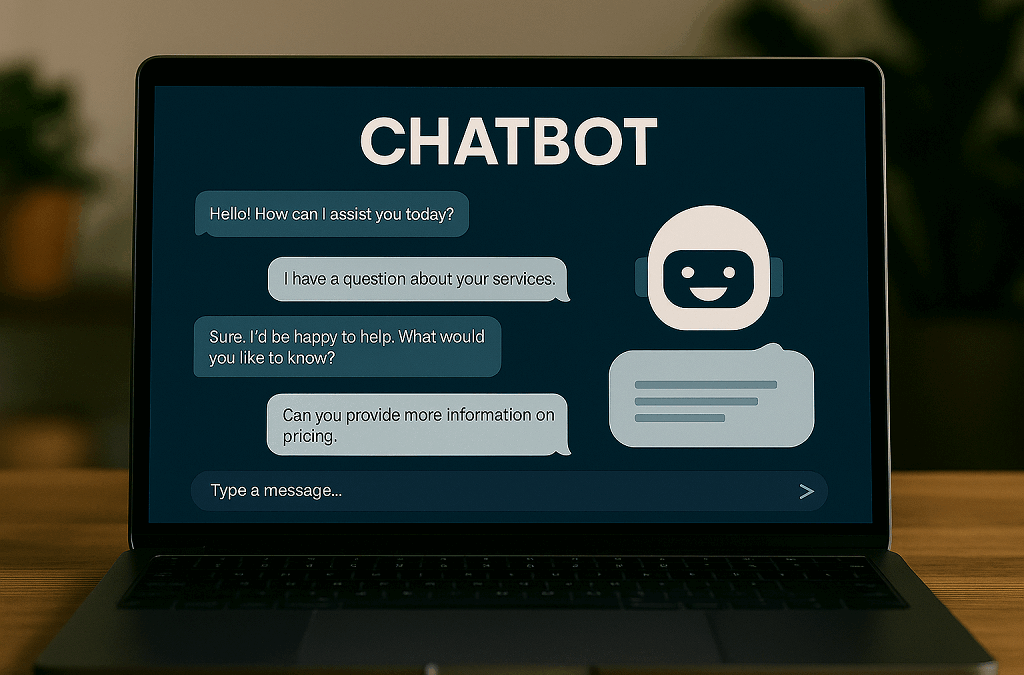
Chatbots aren’t a gimmick anymore. They’ve become the invisible workforce behind millions of daily conversations — answering customer questions, helping users place orders, even flirting with lonely fans in late-night chats. Businesses, creators, and solo entrepreneurs are all looking at the same thing: how to make your own chatbot that does the job exactly the way you need.
Some want a simple support bot that cuts down on emails. Others dream of an AI companion, a tutor, or even an NSFW chatbot that can generate income around the clock. The use cases are endless, but the building blocks are surprisingly similar.
This guide walks through seven clear steps anyone can follow, from sketching your idea to testing and scaling. And if you’re ready for a solution that’s branded, monetized, and fully under your control, Scrile AI can help you skip the limits of cookie-cutter tools and launch something truly yours.
Step 1 — Define Purpose and Use Case

Before you rush into tools, code, or fancy AI models, stop and answer the most important question: what do you actually want the bot to do? Without a clear purpose, you’ll end up with something that looks cool but fails to deliver. When you make your own chatbot, this clarity up front saves hours of development and avoids building features nobody needs.
Think about it in terms of roles. A chatbot can act as:
- Customer support agent — answering FAQs, guiding users through troubleshooting.
- Sales assistant — recommending products, upselling, tracking orders.
- Booking manager — handling appointments for a clinic, gym, or salon.
- AI companion — entertaining users, offering coaching, or even working as an adult chatbot for NSFW audiences.
- Productivity helper — organizing reminders, managing calendars, giving quick answers.
Each of these roles requires a different personality, knowledge base, and technical setup. An e-commerce FAQ bot has to integrate with product databases and answer shipping questions in seconds. A personal productivity bot needs access to calendars and natural dialogue skills. An NSFW chatbot must prioritize realism and privacy, while still giving the creator room to monetize it.
According to industry research, chatbots can handle around 70% of routine questions without human help. That statistic alone shows how much time and money you can save by defining your bot’s scope correctly.
So, before diving deeper, map out the use case. Write down your must-have features and your “nice-to-haves.” This first step transforms the vague idea of wanting to create own chatbot into a practical plan that can actually work.
Step 2 — Choose Your Approach: DIY or Development Service
After you’ve figured out what your bot should actually do, the next decision is pretty practical: do you want to build it yourself with a no-code tool, or have a team craft something that’s entirely yours? Both roads exist, but they lead to very different places.
The DIY chatbot route is what most people try first. Tools like Tidio or ChatBot.com give you a visual builder — drag, drop, connect a few blocks, and you’ve got a bot answering questions on your website within a day. It feels almost like playing with Lego. If you’re a small online shop or a freelancer just wanting a digital helper, this is often enough.
But the cracks appear once you start asking for more. Maybe you want the bot to push upsells, handle payments, or speak in a very specific tone. At that point, you realize you’re working inside someone else’s box. The platform decides what’s possible, not you.
That’s where a custom build comes in. A development service like Scrile AI doesn’t hand you a box — it helps you design your own. You’re not limited to a template; the team can connect the bot with your payment systems, add NSFW features if that’s your market, or give it a personality that feels like a real extension of your brand.
A small bakery might get by on a DIY chatbot that lists today’s specials. But if that bakery grows into a chain with delivery, loyalty programs, and custom upsell logic, a one-size-fits-all tool quickly feels like a toy. Sometimes speed is enough. Sometimes you need something that lasts.
Step 3 — Design the Conversation Flow
After you decide on the purpose and approach, the real work begins: shaping how your chatbot actually talks. If you want to make your own chatbot that doesn’t frustrate users, you need more than canned replies. A good bot has structure, but it also feels like a conversation.
At the core, every flow revolves around a few building blocks:
- Intents — the goals people bring into a chat. Someone might want to check delivery status, cancel a booking, or simply ask about pricing. Each of those needs its own path.
- Entities — the small details buried in the request. An order number, a date, or the name of a product all help the bot deliver a relevant answer instead of a generic one.
- Decision trees — the “choose your own adventure” backbone. Based on the user’s response, the bot knows which branch to follow next and where to end the conversation.
Designing these pieces is only half the job. The harder part is keeping the dialogue natural. People type in fragments, throw in emojis, or change their mind mid-sentence. If you’re serious about how to build a chatbot from scratch, your design has to account for that chaos. That means adding fallbacks (“Sorry, I didn’t catch that — do you mean tracking or returns?”) and giving the bot memory. If someone already entered their city, don’t ask for it again.
You can create flows visually in drag-and-drop builders like ChatBot.com, or go deeper with code using Node.js or Python. Either way, think of it like writing dialogue for a script: short lines, clear intent, and enough personality to keep people talking.
Step 4 — Select the Tech Stack and Integrations

Choosing the right engine for your chatbot is like picking the motor for a car. If you want to make your own chatbot that actually works under pressure, you have to match the tech to your goals. There are three common approaches:
- Rule-based bots follow scripts. They’re reliable for simple Q&A or yes/no trees but break down fast once users go off script.
- NLP-based bots (natural language processing) understand free text, handle slang, and feel more conversational. They’re ideal for support or companion chatbots.
- Hybrid bots combine both: rules for structure and NLP for flexibility. This is where most modern projects land.
But tech on its own isn’t enough. A useful bot plugs into the rest of your systems. Imagine connecting directly to:
- CRM tools like HubSpot or Salesforce, so the bot can pull customer history on the fly.
- Live chat systems, handing conversations to humans when things get too complex.
- Payment gateways such as Stripe or PayPal, letting customers buy products or renew subscriptions without leaving the chat window.
That’s also where Scrile AI stands out. As a development service, it doesn’t limit you to pre-set integrations. Their team can tie your bot into custom APIs, add monetization layers, or even enable NSFW features if that’s your niche. In other words, if you’ve been wondering how to create your own AI bot that doesn’t just chat but also earns, integrations are the piece that make it possible.
Step 5 — Train with Content and Data

Here’s the part where your chatbot starts to sound alive. Building the frame is one thing, but if you don’t feed it the right material, it ends up mumbling nonsense. Training is all about giving the bot access to the information it needs and shaping how it delivers that information.
Most people begin with the basics: an FAQ page, product descriptions, or existing support emails. That data becomes the first layer of knowledge. From there, you can pull in content scraped from your website, add documentation, or connect the bot to a live database so answers stay current.
Tone matters just as much as facts. If you want a friendly bot, write answers that feel conversational. If the brand is more formal, keep the language tight and professional. For an AI companion — or even an NSFW chatbot — tone is the entire product. Scripts, roleplay prompts, and carefully curated dialogue give it personality instead of leaving it flat.
Numbers prove why training pays off. Tidio’s research shows that its Lyro AI, once trained on FAQs, can handle about 70% of customer questions instantly. That’s fewer support tickets, less wasted time, and more satisfied users.
So when you’re thinking about how to create your own AI chatbot, don’t stop at building the shell. The content you put inside it — and the way you tune its voice — is what makes people come back to talk again.
Step 6 — Test, Refine, and Add Personality
You can’t just launch a bot and assume it works. If you want to make your own chatbot that people actually enjoy, you need to run it through real conversations, gather feedback, and polish the weak spots.
The easiest way is to recruit a handful of beta testers. Let them throw questions at the bot the same way a real customer or fan would. Don’t coach them, just watch how the dialogue plays out. Where do they get stuck? Which answers feel awkward? That’s where you focus your fixes.
Here’s a checklist that usually helps during refinement:
- Track failed conversations in detail: note when users type “talk to a human,” abandon the chat, or repeat the same question. These signals show where your bot isn’t clear enough.
- Expand intents with real wording: people rarely phrase things the way you expect. Add slang, shorthand, and typos to your training data so the bot understands natural input.
- Tighten answers with personality: avoid long robotic blocks of text. Instead, write short lines that sound like a person — even in corporate contexts.
- Test edge cases on purpose: ask the bot absurd or irrelevant things. See if it crashes or handles them gracefully with a polite fallback.
- Rotate testers over time: don’t rely on the same five people. Fresh users will always find new blind spots.
When you finally add personality — humor, empathy, or a brand-specific tone — the bot stops being a script and starts feeling like a real part of your business.
Step 7 — Launch, Monitor, and Scale
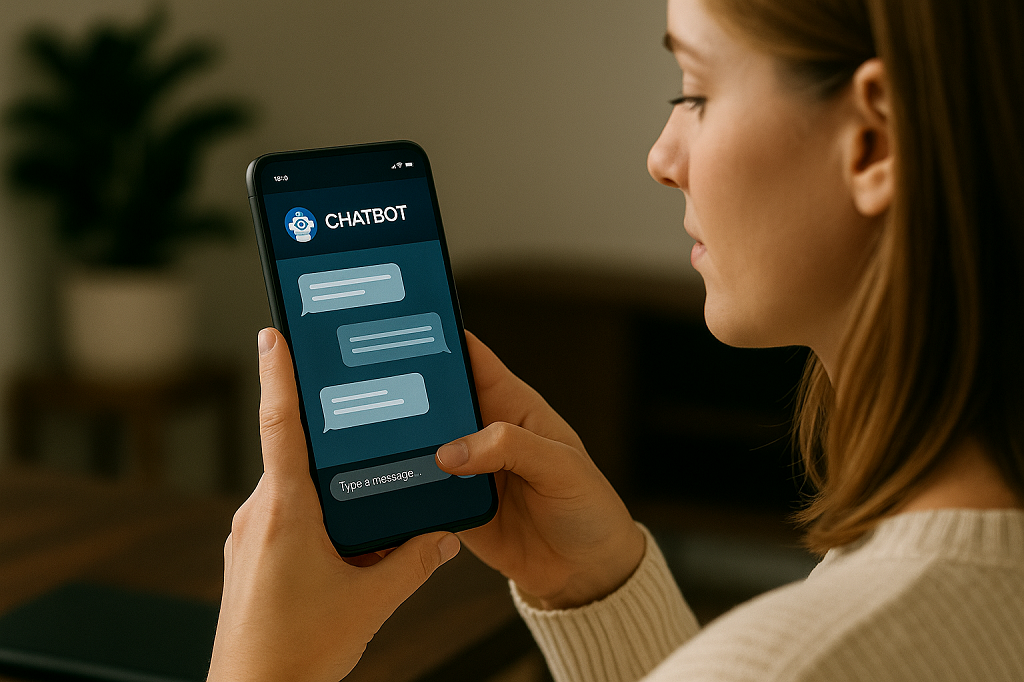
So, the bot is trained, polished, and has a voice. Now comes the part that feels both exciting and terrifying: pressing “go live.” When you make your own chatbot, the launch isn’t the end of the job — it’s just the beginning.
First, decide where it lives. A widget on your website is the classic choice, but plenty of projects start with Messenger, WhatsApp, or even a custom mobile app. Meet people where they already hang out.
After launch, don’t just let it run blind. Keep an eye on numbers that actually matter:
- Response time — how fast does it reply? Delays kill engagement.
- Satisfaction — are people leaving happy, or asking for a human right away?
- Conversions — does the bot actually help sell, book, or retain users?
Scaling is all about timing. Once the core works, add features slowly: voice input if your users like talking, image generation for creative bots, or multi-language support for global audiences.
The trick is simple — launch lean, learn from data, then grow. That’s how you keep the bot relevant long after the first wave of users shows up.
Why Scrile AI is the Best Way to Make Your Own Chatbot
Each step in building a chatbot takes effort — shaping conversations, training data, testing, and scaling. Doing it alone with a DIY tool works for small projects, but if you want to make your own chatbot that feels polished, monetized, and truly yours, Scrile AI covers those bases in one package.
Here’s what sets it apart:
- White-label development — the chatbot lives under your brand with your domain and interface. No “powered by” tags or cookie-cutter layouts.
- Monetization built in — subscriptions, pay-per-chat, and token systems ready to deploy, so revenue streams are part of the design from day one.
- Support for NSFW and adult chatbots — something mainstream platforms avoid. Scrile AI enables projects in niches that others simply don’t allow.
- Zero commission model — unlike platforms that take a cut, Scrile AI leaves 100% of revenue and all customer data in your hands.
- Custom integrations — APIs, payment gateways, or unique workflows adapted to your business instead of forcing you to adapt to theirs.
Most chatbot builders stop at templates and drag-and-drop flows. Scrile AI acts more like a development partner, tailoring the solution to fit your vision. For creators, educators, startups, and even adult content entrepreneurs, it’s the difference between renting space on someone else’s system and owning the whole building.
With Scrile AI, you don’t just launch a chatbot — you launch a business asset that scales with you.
Conclusion
Making your own chatbot isn’t reserved for tech giants anymore — it’s something anyone can tackle by following a clear process. Seven steps are all it takes: define the purpose, pick your approach, design the flow, choose the tech, train with real content, test thoroughly, and scale with data. Each step builds on the last, and before long, you’ve got a bot that can answer questions, book appointments, or even entertain users.
DIY tools are a good launchpad, especially for small shops and side projects. But serious creators and businesses eventually need more control — branding, monetization, integrations, and features that free templates can’t offer.
That’s exactly where Scrile AI shines. Explore their service and contact the Scrile AI team to turn your idea into a chatbot that grows with your business, not against it.
Polina Yan is a Technical Writer and Product Marketing Manager, specializing in helping creators launch personalized content monetization platforms. With over five years of experience writing and promoting content, Polina covers topics such as content monetization, social media strategies, digital marketing, and online business in adult industry. Her work empowers online entrepreneurs and creators to navigate the digital world with confidence and achieve their goals.
by Polina Yan
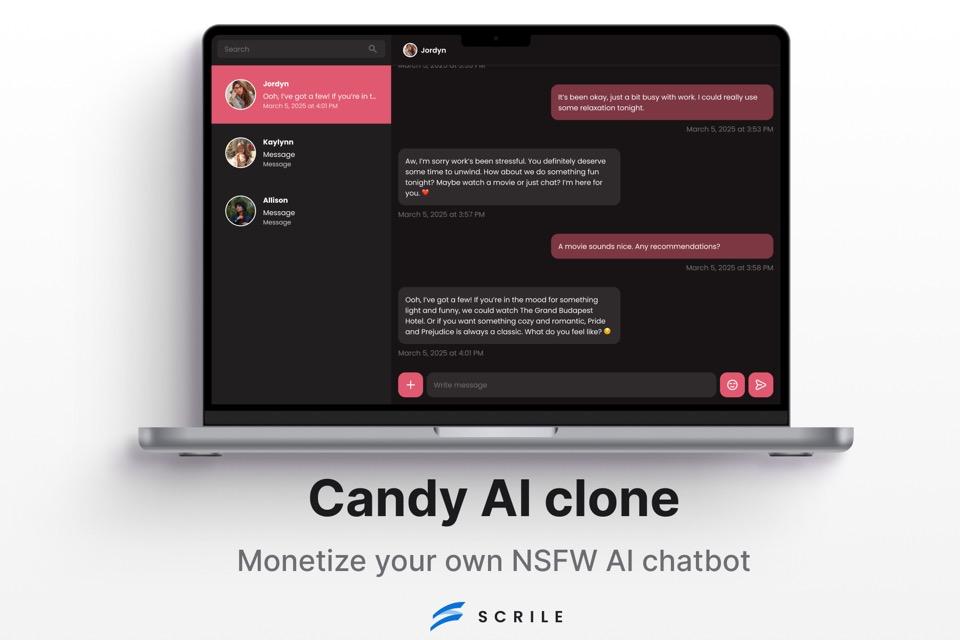
Knowing how to make an AI chatbot in 2026 is less about coding and more about clarity — because AI bots aren’t just hype anymore. They’re running help desks, chatting up customers, selling subscriptions, and even simulating intimacy through NSFW chat experiences like Candy AI.
Whether you’re a solo founder building a niche app or a business owner automating support, chatbots have become essential tools. Some answer FAQs. Others act like personal assistants. A growing number? They’re designed for companionship, education, or paid fan interactions — and users expect them to sound human, remember things, and work across platforms.
You don’t need to be a developer to build one. But you do need to understand how they work, what options exist, and what makes a chatbot actually useful (and not just noisy). This guide breaks it all down — from quick-build tools to custom AI platforms with monetization built in.
Why Chatbots Still Work in 2026
If you’re wondering how to make an AI chatbot that people actually want to use, start with this: the market is thriving. According to Grand View Research In 2026, the global chatbot market is projected to exceed $27 billion, driven by demand across ecommerce, health, entertainment, and adult industries. Bots aren’t replacing humans — they’re augmenting them, doing the repetitive stuff faster and around the clock.
And they work. Studies show that AI-powered chat outperforms static FAQ pages and clunky help forms. Why scroll through a support database when you can just ask a bot?
Here’s where people are using them:
- Ecommerce brands use them as product recommenders and upsell engines.
- Mental health startups are building bots as virtual therapists or check-in partners.
- Hotels and clinics rely on chatbots for bookings and reminders.
- Fan sites and creators use chat to build loyalty through personalized interaction.
- And yes, NSFW AI bots — inspired by services like Candy AI — are becoming a mainstream monetization channel for adult content creators.
People are getting more comfortable chatting with bots, especially when the bot remembers things, responds with nuance, and sounds like an actual personality — not just a script.
If you’re considering creating an AI chatbot for your business or platform, the use cases are wider (and more profitable) than ever. It’s all about building something that feels human — without needing a human on the other end.
Pick Your Bot Type First
Before you even ask how to make an AI chatbot, you need to know what kind of chatbot you’re building — because not all bots are designed to do the same job.
Some bots are built to handle support tickets and help customers navigate FAQs. Others are made to capture leads, qualify prospects, or drive product sales. And increasingly, chatbots are being used for creative and highly personalized experiences — from writing assistants to NSFW AI bots and even fan roleplay companions.
Here are just a few types you might consider:
- Support bots for troubleshooting and onboarding
- Lead capture bots that gather emails and segment traffic
- Writing or knowledge bots to help brainstorm, draft, or summarize
- NSFW-style AI companions for entertainment or monetization
- Character bots or fiction-based personas for fandom interaction
- Booking bots for scheduling and reminders
Every chatbot solves a different problem. And if you’re creating an AI chatbot for a specific use case, getting clear on that problem first will shape every decision: the tone of voice, the backend logic, and the tools you’ll need.
No-Code and Low-Code Options

Not everyone building a chatbot in 2026 is a developer — and the rise of no-code and low-code tools proves that. Platforms like ChatBot.com, Tidio, and Landbot have made it possible for almost anyone to launch a functioning AI assistant in less than a day. These tools offer visual builders, simple logic flows, and pre-built conversation templates, so even someone without a tech background can piece together a working bot.
If you’re running a small business or need a basic virtual assistant, these platforms can do a lot. You might want a chatbot on your Shopify store to handle product questions, process simple returns, or guide customers to the right category. Or maybe you need something that helps book appointments, answers FAQs, or directs visitors to the right department. These tools are ideal for those kinds of jobs.
The biggest benefit of going the no-code route is speed. It’s fast to launch, affordable to test, and easy to manage without a dedicated dev team. You can tweak flows, add messages, and adjust triggers in a visual dashboard with little effort. But with that simplicity comes limitations. These tools aren’t built for deep customization. You can’t always control tone or personality, and memory is often limited to a single session — which can be a dealbreaker for more interactive or emotionally intelligent bots.
For many, though, that trade-off is fine. If your needs are straightforward and your brand doesn’t rely on advanced logic or tone-sensitive replies, these platforms offer a great entry point. Still, if you’re thinking long-term — or want your bot to actually sound human, remember context, or monetize — no-code tools might feel like a short-term fix.
Understanding how to create an AI chatbot is as much about knowing your options as it is about knowing your limits.
Building Your Own: Custom Chatbot Architecture
If you want total control over how your bot looks, talks, and behaves, then you’re probably thinking about going custom. Learning how to make an AI bot from scratch gives you flexibility that no template-based builder can match. This is where things get technical — but it’s also where they get powerful.
The Anatomy of a Custom AI Chatbot
A solid architecture starts with three essential components: the user interface (chat screen or voice interaction), the AI engine, and the logic layer that holds it all together. For the UI, you might use a web or mobile front-end designed in React, Vue, or Flutter. It’s the part the user sees and interacts with. Behind the scenes, the real work happens.
Most modern bots hook into powerful APIs like OpenAI (GPT-4), Claude, or Mistral for generating responses. These engines don’t “understand” in a human sense, but they’re excellent at language prediction, tone matching, and context generation — especially when guided by well-structured prompts.
That’s where prompt engineering comes in. A strong prompt is more than “talk like a pirate.” It’s a carefully crafted instruction set that sets tone, role, memory behavior, and guardrails. You can also integrate LangChain for building logic flows or multi-turn conversations, and tools like Pinecone or Weaviate to manage vector-based memory — so your bot can “remember” things users said days or weeks ago.
You’ll also need a backend — Firebase is a popular choice — to store user data, authentication, and interaction history. Combine this with analytics and optional payment integration, and you’ve got the bones of a real product.
Use cases are only growing. Some developers build bots that write poetry in the user’s tone. Others create Candy AI-style NSFW companions, trained on romantic or explicit fiction and designed for real-time, emotionally adaptive responses.
If you’re considering custom AI chatbot development, this is the route that lets you build exactly what you want. But it also means thinking like a product owner, not just a builder. That’s the trade — freedom for complexity.
What a Good AI Bot Needs in 2026
Building a chatbot is one thing. Building a good one — the kind users actually enjoy talking to — is something else entirely. Whether you’re creating an AI chatbot for a business, a creative project, or something more personal, the difference between “meh” and “wow” usually comes down to a few key features.
Memory is at the forefront. The very best 2026 bots don’t just react in the moment – they remember context. This may involve tracking a user’s name and tastes or reading a series of conversations over several months. Without memory, exchanges become shallow, mechanical, and unmemorable.
There’s also tone. Your bot may not have to feel, at least not in an emotional way, but it will need to respond in ways that will feel empathetic or energetic when required by circumstance. Insert some safety rails and moderation filters, particularly if your bot is dealing with sensitive subjects or NSFW material, and you’ve got something that will feel complete and credible.
Smart bots also connect to other tools. Want to process payments? Integrate with Stripe. Want to notify users or sync to groups? Plug into Telegram or Discord. APIs are your best friend here.
Privacy is another deal-breaker. If your chatbot handles personal or adult interactions, strong privacy controls and user filters are essential. Clear terms, encryption, and opt-in systems go a long way toward building user trust.
Finally, language flexibility is key. A growing number of bots are expected to handle multiple languages or offer seamless translation on the fly — especially when used in global communities.
These aren’t just features. They’re expectations. The bar is higher now, and the bots that stand out are the ones that feel less like widgets — and more like something real.
Scrile AI: Building Custom Chatbots that Work — and Sell
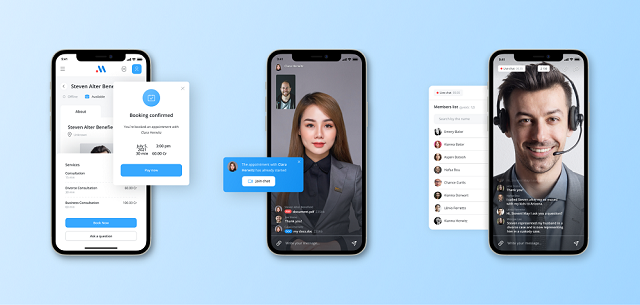
Once you’ve explored prebuilt tools and basic frameworks, one thing becomes clear: real success with chatbots doesn’t come from off-the-shelf options. If you want full creative control, long-term ownership, and real monetization potential, it’s time to think about how to make an ai chatbot with a custom approach.
That’s where Scrile AI stands out. It’s not a plug-and-play chatbot builder or a SaaS subscription with rigid limitations. Scrile AI is a custom development service — a technical team that helps founders, startups, and creators launch their own branded, scalable AI chatbot platforms from scratch.
The difference? You don’t just get a bot — you get an entire product.
Scrile AI specializes in custom chatbot solutions designed for business models where personalization and revenue matter. That includes NSFW platforms, fitness coaching, fan communities, subscription services, and interactive education tools. These aren’t bots bolted onto an existing website — they’re full ecosystems built around user interaction, automation, and monetization.
Some of the use cases Scrile AI delivers:
- Subscription-based customer service bots for SaaS platforms
- Adult AI chatbots like Candy AI — private, monetizable, with built-in pay-per-message models
- Fitness and wellness coaches using chat-based programs, journaling, or daily feedback
- Dating site bots that simulate human conversation with realistic pacing, tone, and memory
- Fan hubs and roleplay platforms where characters interact in real time
And it’s not just about chat. Scrile builds systems that include:
- Custom-designed UIs tailored to your brand
- Full payment integration: Stripe, crypto, PPV, or affiliate models
- Scalable backend infrastructure and long-term chat memory
- Admin dashboards with user analytics and content moderation
- NSFW-friendly setup with privacy layers and content filters
- Voice, avatar, or live cam modules (optional)
Why choose Scrile?
Because launching from scratch doesn’t mean reinventing the wheel — it means skipping generic and building what actually fits.
With Scrile, you get:
- Fast time to market with agile rollout plans
- No vendor lock-in — you own everything
- Customization at every level, from UX to AI personality
- Clear pathways to monetize without third-party rules
If you’re looking for custom chatbot solutions that actually serve your business, Scrile AI gives you the control, tools, and support to make it real — and profitable.
Conclusion
The chatbot space in 2026 is more powerful and more versatile than ever. Whether you’re building a friendly customer service assistant, a creative storytelling bot, or even a romantic AI companion inspired by platforms like Candy AI, the tech is there — and it’s surprisingly accessible.
You no longer need a massive dev team or a year-long roadmap to launch something functional. If you just want a simple bot that handles support or collects leads, no-code platforms can get you going fast. But if your goals include deeper personalization, real AI memory, monetization, or NSFW functionality, that’s where things shift. The question isn’t just how to make an AI chatbot, but how to make one that actually reflects your idea — your brand, your voice, your audience.
And that’s where custom development makes all the difference. You get total control, data ownership, and the freedom to build a product that grows with you — not within someone else’s limitations.
Scrile AI was built for that purpose. They’re not handing you a template. They’re helping you create something original, branded, and ready to launch — fast.
If you’re ready to stop renting chatbot tools and start owning your vision, talk to Scrile AI. They’ll help you build the chatbot you’ve been imagining — and make it something users will actually want to talk to.
Polina Yan is a Technical Writer and Product Marketing Manager, specializing in helping creators launch personalized content monetization platforms. With over five years of experience writing and promoting content, Polina covers topics such as content monetization, social media strategies, digital marketing, and online business in adult industry. Her work empowers online entrepreneurs and creators to navigate the digital world with confidence and achieve their goals.