
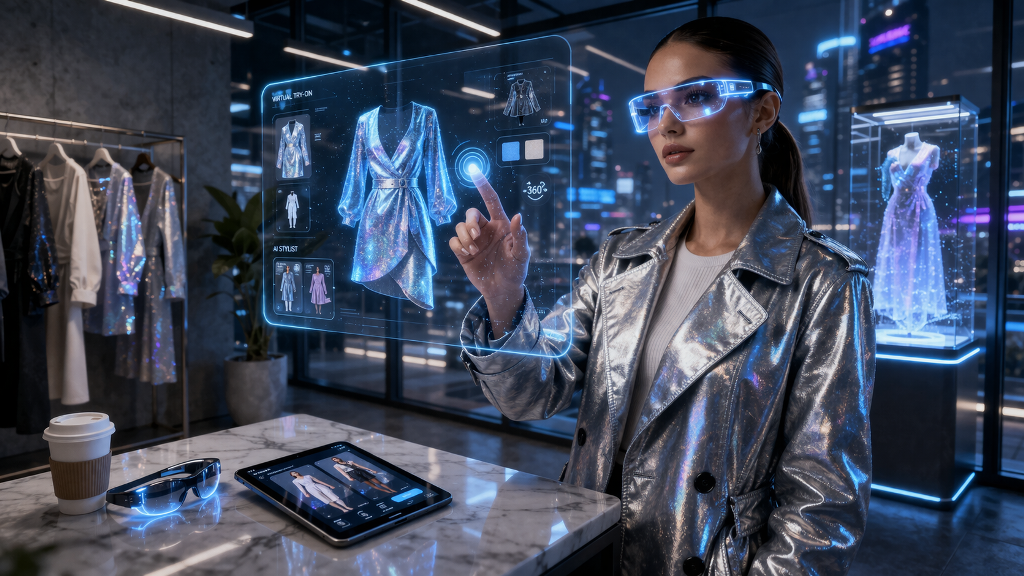
VR fashion is the use of immersive environments to design, present, and sell digital or physical clothing through VR and AR interfaces. It’s already used in virtual stores, product design pipelines, and interactive fashion shows. It matters because it improves conversion rates, reduces returns, and keeps users engaged longer. In 2026, the shift is driven by AI styling, wearable tech, and fashion entering gaming ecosystems.
Fashion used to live on flat screens. Scroll, click, buy. That model is starting to feel outdated. Today, people step inside digital spaces, try outfits on avatars, and walk through virtual stores that react in real time. This is where VR fashion stops being a concept and becomes infrastructure.
Brands are already using it across product design, retail, and marketing. Designers build collections in 3D before a single fabric sample exists. Stores test virtual reality clothing experiences to reduce returns. Marketing teams launch immersive campaigns instead of static lookbooks.
This article focuses on what actually works in 2026. No recycled “metaverse” promises. Only real use cases, real tools, and where the money comes from. If you’re thinking about entering this space, you’ll see where the opportunities are and where most people still get it wrong.
What VR Fashion Actually Means in 2026
VR fashion is not about fantasy outfits floating in some abstract metaverse. It’s practical. It means clothing and fashion experiences built, shown, or sold inside immersive environments where users can actually interact with them.
There are three main formats:
- digital-only clothing worn by avatars in games or platforms
- immersive shopping spaces where you walk through a store in VR
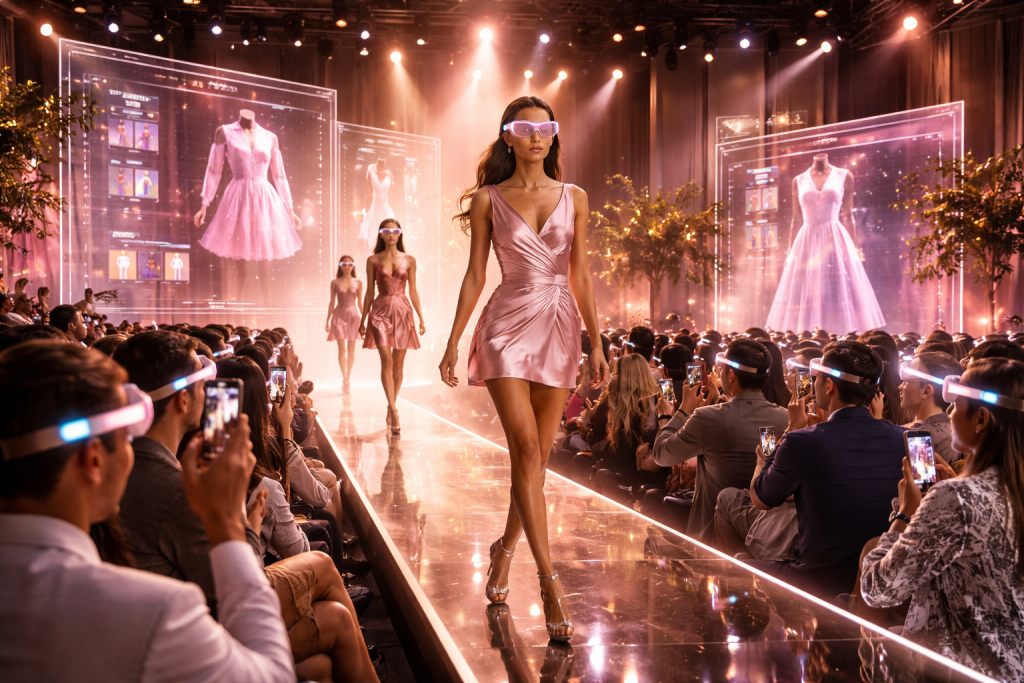
- virtual fashion shows where collections are presented in 3D environments
Each solves a different problem. Design, sales, or attention.
From Runways to Headsets: What Changed
Traditional fashion shows are expensive, limited, and short-lived. A VR show can run 24/7, reach global audiences, and track every interaction.
Brands like Balenciaga and Gucci have already experimented with digital collections inside games and virtual spaces. The shift is simple: lower production costs, wider reach, and real user data instead of guesswork.
Where Users Actually Interact With It
Users move inside the experience instead of scrolling through it.
- VR stores where you browse items in space
- avatar styling systems where you test looks instantly
- interactive showrooms built around virtual reality clothing
Using AR try-on and AI-driven body measurement, it’s fast becoming a core part of ecommerce infrastructure rather than a novelty.
— Virtual Fitting Rooms: A Retailer’s Guide for 2026, Shopify
This is where virtual reality in fashion becomes useful, not just interesting.
The Tech Stack Behind Fashion VR
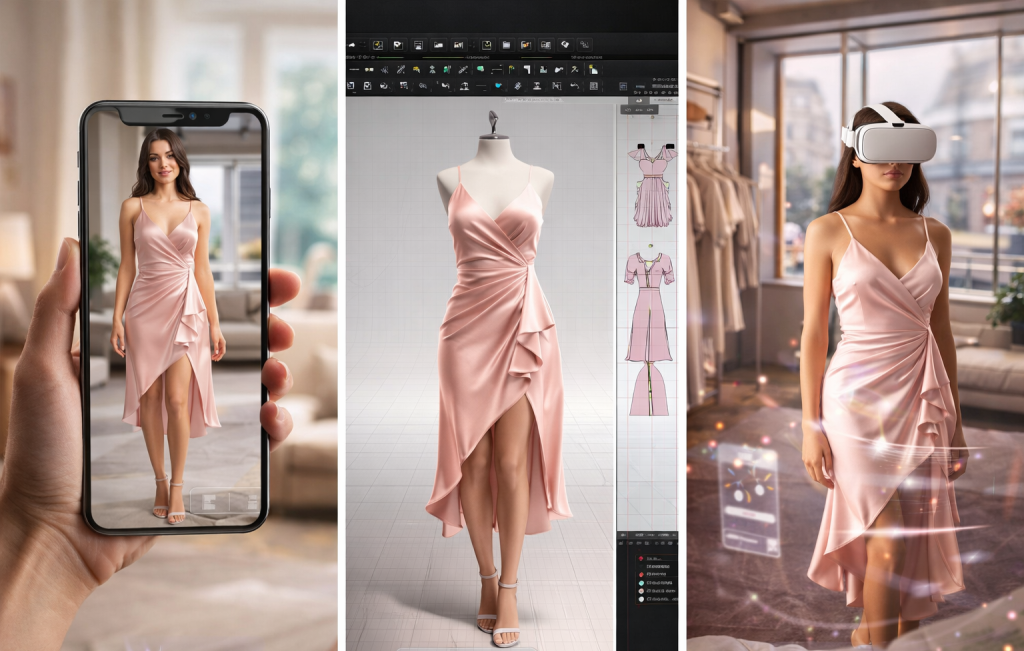
Think of this stack like a production line. Each part handles one step, and if one breaks, the whole thing slows down.
- VR is used when the goal is immersion. Users walk inside showrooms, attend digital events, or explore collections in space. This is where brands experiment with full experiences.
- AR is what most people already use without thinking about it. Open a camera, point it at yourself, and try on sneakers or glasses. A typical augmented reality clothing app works exactly like that. Fast, simple, no headset required.
- 3D is where everything starts. Designers build garments as digital objects first. These files are reused across design, marketing, and retail. It saves time and removes the need for early physical samples.
Behind the scenes, real-time engines render clothing instantly. Body tracking adjusts how items sit and move. Cloud delivery makes sure everything loads without heavy downloads.
Practical example. A designer creates a jacket in 3D. The file goes through optimization, gets uploaded, and appears in a VR showroom. Users can view it, try it on, or interact with it as virtual reality clothing.
To understand why these trends are scaling, it helps to see what the user experiences versus what actually runs under the hood.
| Technology | What the User Sees | What Happens Behind the Scenes | Why It Matters in VR Fashion |
| VR | Walks inside a digital store or event | Real-time 3D rendering + environment simulation | Creates immersive experiences and new formats for shows |
| AR | Tries clothes or accessories through a phone camera | Body tracking + overlay rendering | Makes virtual try-on accessible to a wider audience |
| 3D | Sees realistic garments that behave like real fabric | Digital garment modeling + physics simulation | Replaces physical samples and speeds up design cycles |
That’s how fashion virtual technology operates in practice.
How Brands Are Using VR Fashion Right Now
Major brands are rolling out features that people actually use, not just testing concepts.
Zara moved into AI-powered virtual try-on in 2025–2026, letting users upload images and generate animated outfit previews based on their body shape. The experience is built around speed and repeat interaction, not just visual эффект. Early signals show that users spend more time exploring collections when they can see outfits in motion.
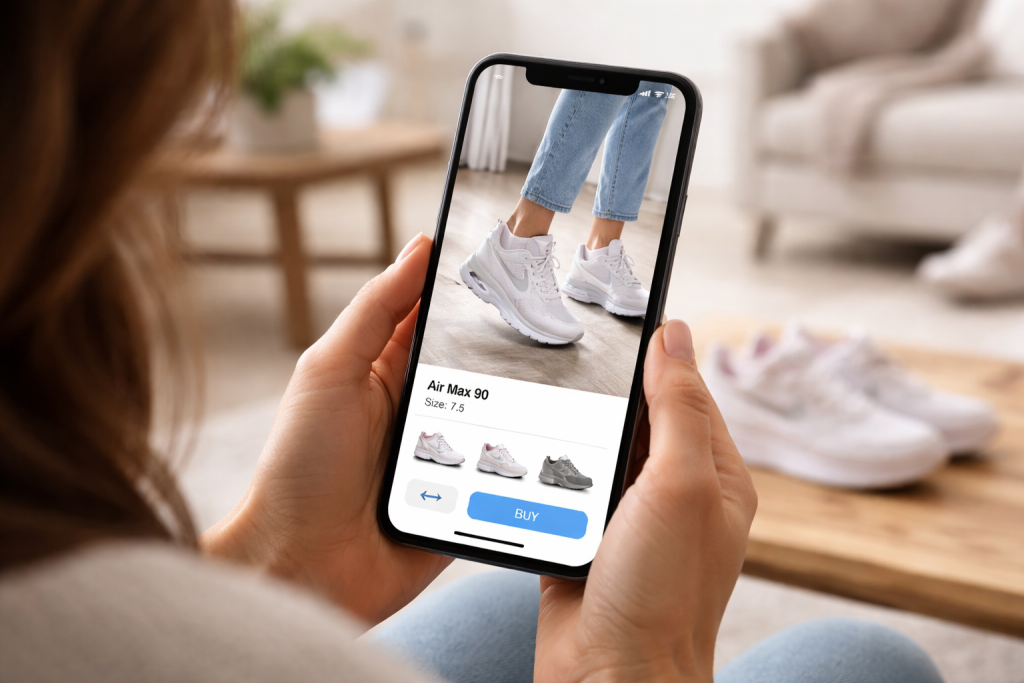
Nike and Gucci are focusing on accessibility rather than full immersion. Instead of pushing users into headsets, they integrate try-on directly into mobile flows. With Nike, you can preview sneakers on your feet in seconds. Gucci applies the same logic to accessories. These tools are simple, but they scale because they remove friction.
Gaming platforms are where VR fashion starts behaving like a distribution channel. Gucci and Givenchy have launched branded spaces inside Roblox, where users interact with digital items as part of gameplay. According to , these environments are no longer treated as one-off campaigns but as ongoing digital spaces where brands test engagement and product demand.
On the production side, brands are shifting to 3D-first workflows. Instead of waiting for physical samples, teams create digital garments, review them, and iterate quickly. This reduces development time and makes it easier to update collections mid-cycle. As noted in industry coverage, 3D design pipelines are now used not just for visualization but as part of the actual production process.
Many of these tools are driven by personalization, not just visuals. Systems adapt to user behavior and preferences.
“26% of industry executives have already focused on personalization through AI capabilities, while another 35% expect to introduce personalized AI recommendations for customers.”
— 2026 Retail Industry Global Outlook, Deloitee
What These Experiments Actually Achieve
- fewer returns thanks to better fit visualization
- faster product cycles with 3D prototyping
- deeper engagement through interactive experiences
What Failed or Didn’t Scale
- early metaverse projects with no clear user value
- low adoption of VR headsets for everyday shopping
- brands moving toward hybrid models combining VR and AR instead of relying on one format
The Most Important VR Fashion Trends for 2026
In 2026, VR fashion is no longer defined by experiments. The shift is visible in how often these tools are used and where they actually deliver results.
- Virtual fitting rooms are becoming expected, not optional
The change here — expectation. Over 70% of shoppers now expect interactive digital experiences, and brands using advanced try-on report up to a 25% drop in returns. The implication is simple: try-on is moving from innovation to baseline ecommerce infrastructure. - Digital twins are replacing early-stage production workflows
What changed is not the technology, but adoption speed. Brands now design, test, and approve garments digitally before producing samples. This reduces iteration cycles from weeks to days and allows faster collection updates. - Gaming platforms are becoming fashion distribution channels
This is no longer just marketing. Digital fashion is being sold directly inside platforms with millions of active users. Gucci, Burberry, and others use these environments to release items that users actually wear on avatars. The implication: fashion now scales without manufacturing limits. - Wearables are turning interfaces into fashion objects
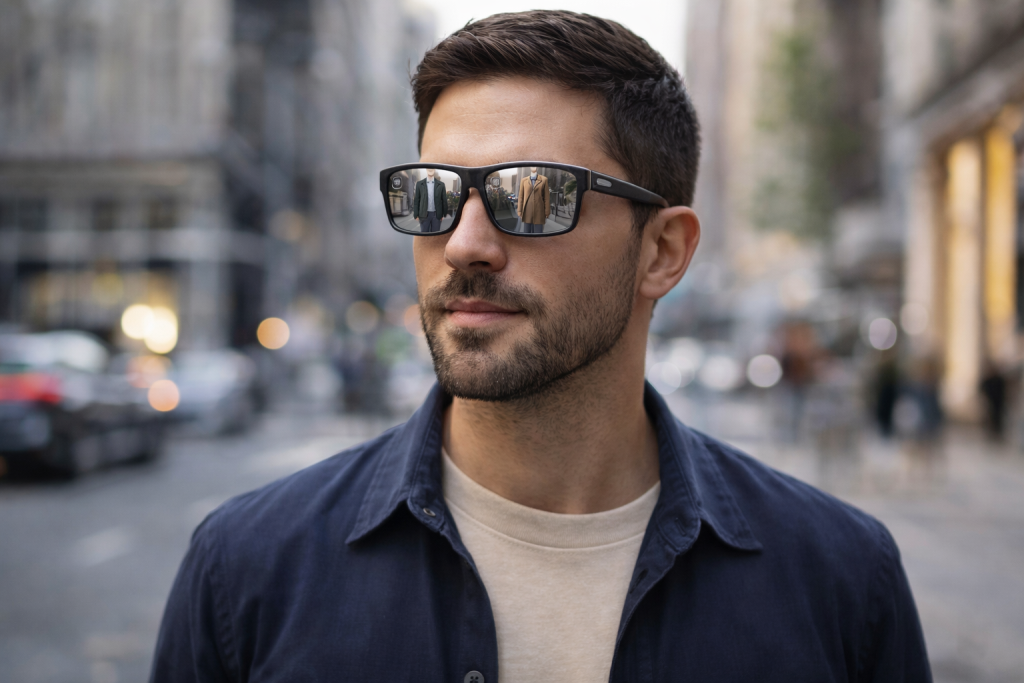
In 2026, tech is no longer hidden. Devices are designed to be seen, styled, and worn. This pushes VR fashion closer to daily behavior instead of occasional use. - AI is shifting styling from choice to recommendation
The key change is automation. Instead of browsing collections, users increasingly receive generated outfits based on behavior, body data, and context. This reduces friction and changes how people interact with fashion entirely.
How VR Fashion Makes Money
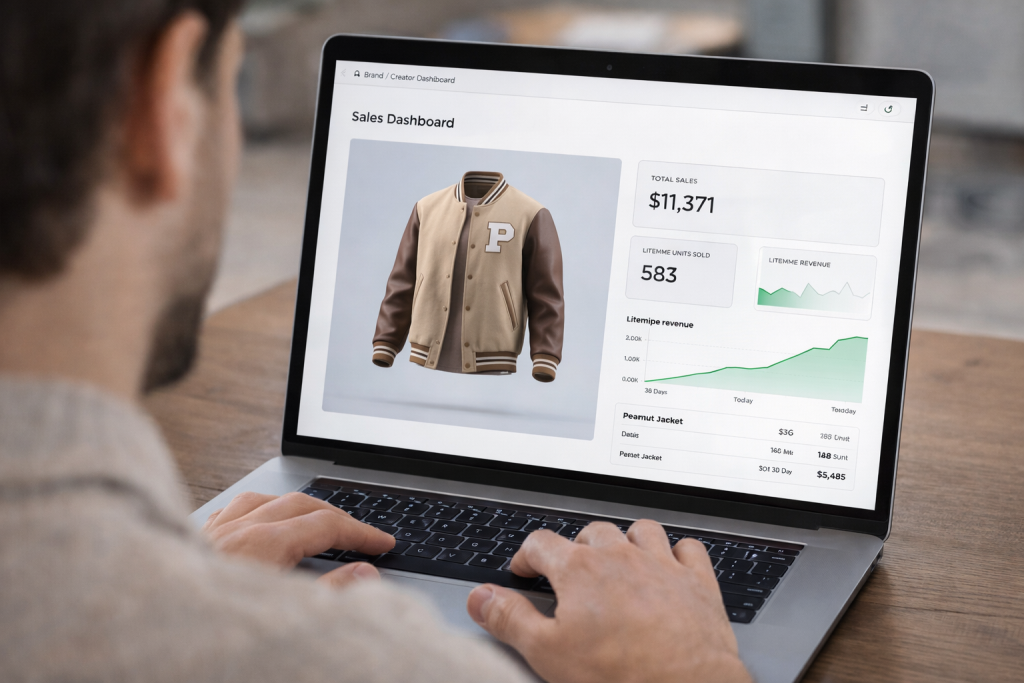
If you strip away all the hype, fashion VR earns money in a few very specific ways. Most of them look familiar, just adapted to digital environments.
Digital clothing is the easiest entry point. Brands release outfits for avatars or platforms and sell them like limited drops. No factories, no shipping delays. That’s why margins are often higher than in physical retail.
Events are another layer. Some brands charge for access to virtual shows or bundle entry with exclusive items. It turns a one-time show into something that keeps generating revenue after launch.
Collaborations inside platforms are everywhere now. A brand partners with a game, drops a collection, and reaches millions of users in days. It works both as direct sales and as a marketing channel.
Subscriptions are slowly gaining traction. Users pay for styling suggestions, early access, or personalized outfit generation. It’s closer to Netflix than traditional retail.
And then there’s ecommerce. Virtual try-on doesn’t just look cool, it changes the numbers.
Simple ROI Example
Let’s say a store has 10,000 buyers per month.
Return rate: 30% → reduced to 20% after implementing VR try-on
That’s 1,000 fewer returns.
If one return costs $12, the store saves:
$12,000 per month → $144,000 per year
Is VR Fashion Still Expensive or Already Mainstream?
The short answer: it depends on how deep you go into virtual reality fashion. Entry is no longer locked behind huge budgets, but scaling still costs money.
Here’s how the pricing typically looks:
- Simple VR demo ($3K–$9K). Basic environments or product showcases. Good for testing ideas or pitching concepts without building a full system.
- Mid-level try-on or showroom ($10K–$30K). This includes working product logic, user interaction, and decent UX. Most ecommerce experiments sit in this range.
- Advanced platforms ($50K+). Full ecosystems with user accounts, real-time rendering, personalization, and integrations. Built for long-term products, not campaigns.
What drives these costs is pretty straightforward. You pay for 3D asset quality, how smooth the experience feels, and the backend that supports it.
Hardware is still a factor, but it’s less of a blocker than before. Many brands lean on mobile AR instead of full VR headsets. That’s why hybrid formats are becoming the default. Users try products on their phones and only step into immersive spaces when it adds value.
So yes, VR fashion is becoming more accessible. Just not equally across all use cases.
How to Approach VR Fashion If You’re Starting Now
| Goal | Best Entry Point | Budget Range | Risk Level | Time to Launch |
| Small creator | Sell digital outfits on platforms (Roblox, marketplaces) | $0–$5K | Low | 2–6 weeks |
| Ecommerce brand | Add virtual try-on to product pages | $10K–$30K | Medium | 1–3 months |
| Fashion startup | Build digital-first collections + immersive showroom | $20K–$50K | Medium | 2–4 months |
| Tech founder | Launch full VR fashion platform or ecosystem | $50K+ | High | 4–9 months |
Conclusion
The next phase of VR fashion is shaped by convergence, not new standalone tools. VR is increasingly combined with AI systems that generate outfits, adjust fit, and react to user behavior in real time. Virtual advisers and stylists are becoming part of the experience. They suggest outfits, combine pieces, and learn preferences over time.
Wearable devices are also changing how people access these environments. Lightweight glasses and similar interfaces reduce reliance on phones and make interaction more continuous.
Another shift is happening around identity. Digital appearance is becoming persistent across platforms, and clothing plays a role in how users present themselves. VR fashion moves closer to everyday behavior rather than isolated experiments.
FAQ
What is VR in fashion?
VR in fashion refers to immersive digital spaces where users can explore collections, attend virtual shows, or interact with garments in 3D. Most real-world use combines VR with AR, AI, and 3D tools rather than relying only on headsets.
How much does VR design cost?
Costs vary by complexity. Simple demos start around $3,000–$9,000. Functional try-on tools or showrooms range from $10,000–$30,000. Advanced platforms with custom features and integrations often exceed $50,000.
Is VR still expensive?
Entry costs have dropped, especially for mobile-based experiences. Full VR setups still require hardware, but many brands now use hybrid solutions that balance cost and accessibility.
How do virtual fitting rooms work in online stores?
They use AR, AI, and 3D models to simulate fit and appearance. Users can upload photos, use live camera views, or interact with avatars to preview clothing before buying.
Can small brands use VR fashion without big budgets?
Yes. Starting with simple tools like 3D product previews or basic try-on features is enough to test demand. Costs increase mainly with custom development and asset quality.
What platforms are best for launching virtual fashion products?
It depends on the goal. Ecommerce brands use store integrations, designers rely on 3D tools, and brands focused on reach often use gaming platforms or digital marketplaces.
What is the difference between AR and VR in fashion?
AR overlays clothing onto the real world through a phone or camera, while VR creates a fully immersive environment. AR is more common in ecommerce, while VR is used more often for showrooms, presentations, and interactive brand experiences.
Where is VR fashion most widely used today?
The strongest adoption is in virtual try-on tools, 3D design workflows, immersive retail, and gaming platforms where users buy and wear digital clothing on avatars.

Polina Yan is a Technical Writer and Product Marketing Manager, specializing in helping creators launch personalized content monetization platforms. With over five years of experience writing and promoting content, Polina covers topics such as content monetization, social media strategies, digital marketing, and online business in adult industry. Her work empowers online entrepreneurs and creators to navigate the digital world with confidence and achieve their goals.